Southeast vs Southwest France: Beaches, Culture & Which to Visit

by olivia hoffman

© Unsplash

“The South of France” typically conjures up images of lavender fields and Mediterranean vistas, but this really only refers to one side of “the south.”

Southeast France — the part most foreigners are familiar with — encompasses the French Riviera and Provence and extends east to Italy. This is completely distinct from Southwest France, which starts at the Basque Coast on the border of Spain to the south and climbs into the Pyrenees.

Until recently, the only side I had ever known was the east. The south of France, to me, meant strolling the Promenade des Anglais in Nice, sunning on lounge chairs at beach clubs in Cannes, and sipping rosé facing the yachts in Saint-Tropez. That is indeed as romantic as it sounds, but little did I know there was just as much beauty to be found on the opposite coast…

The main differences between Southeast France and Southwest France boil down to landscape and culture. Here’s what gives them each their unique identities.

© Olivia Hoffman

Mediterranean Sea

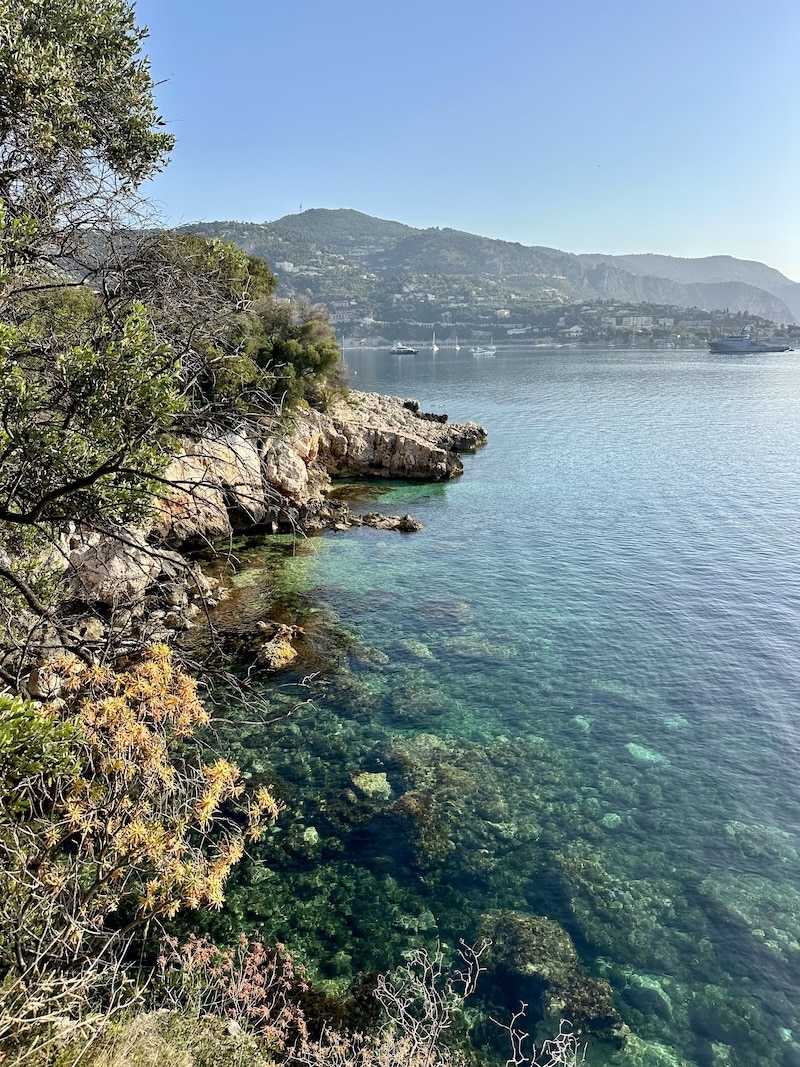
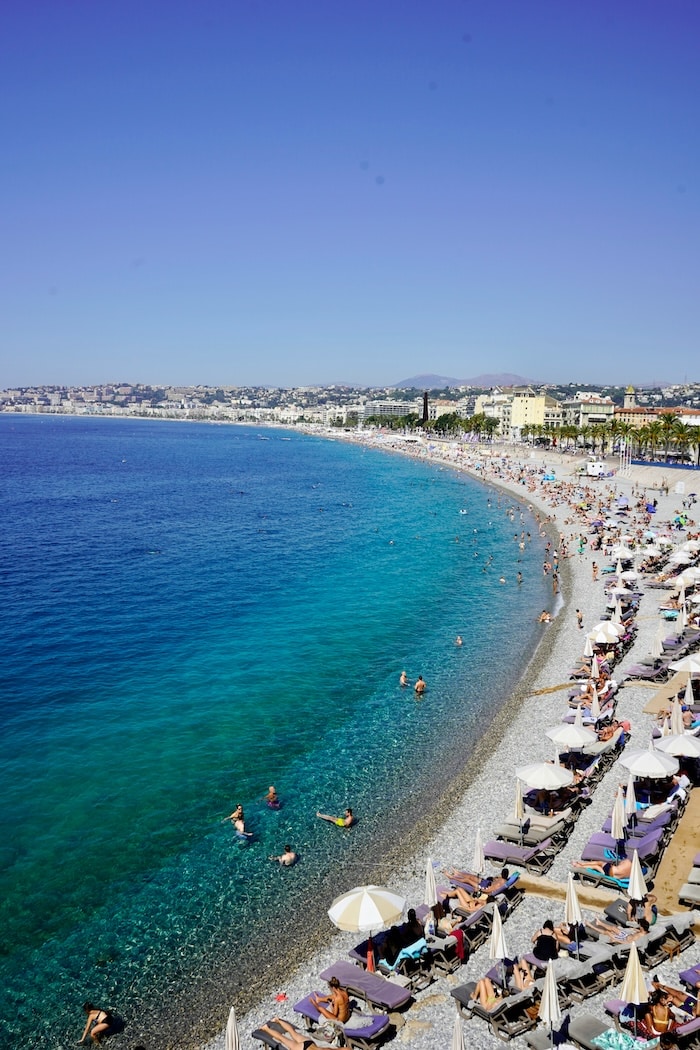
The southeast borders the sparkling Mediterranean Sea, the body of water framed by the southern coast of Europe and the northern coast of Africa. Often characterized by its crystal-clear, aquamarine waters, the sea is typically calmer and more temperate — especially in the summer, making it a prime destination for boating.

Atlantic Ocean

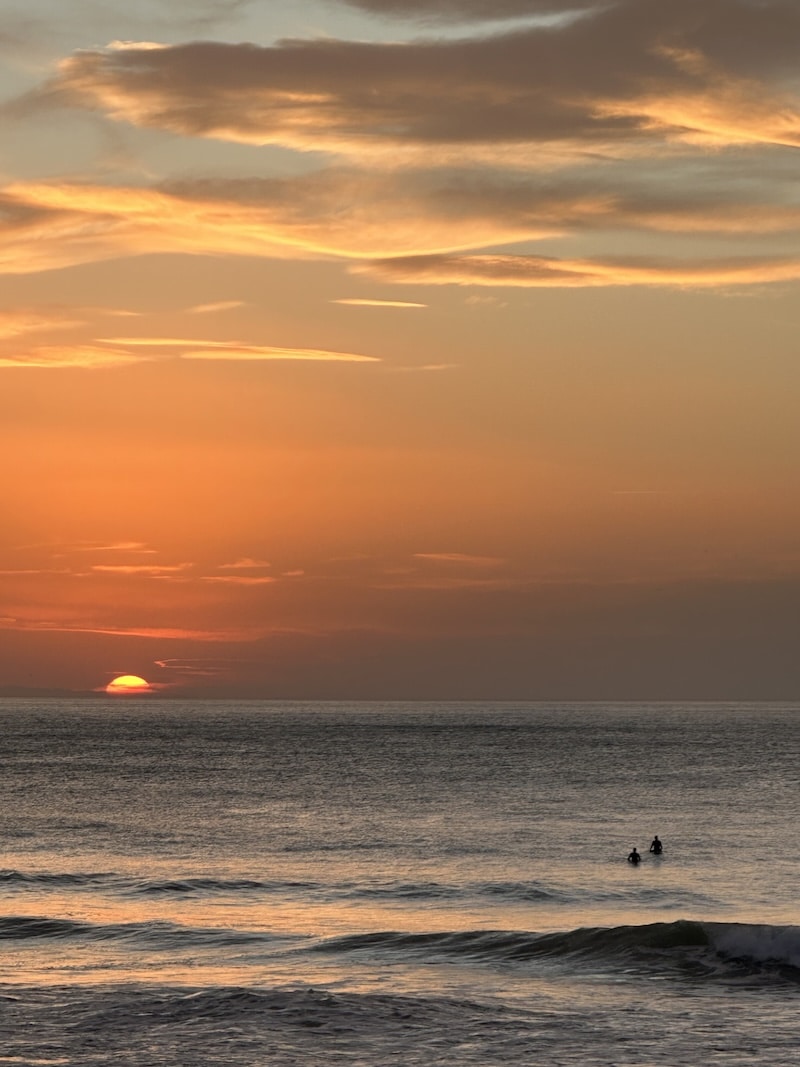
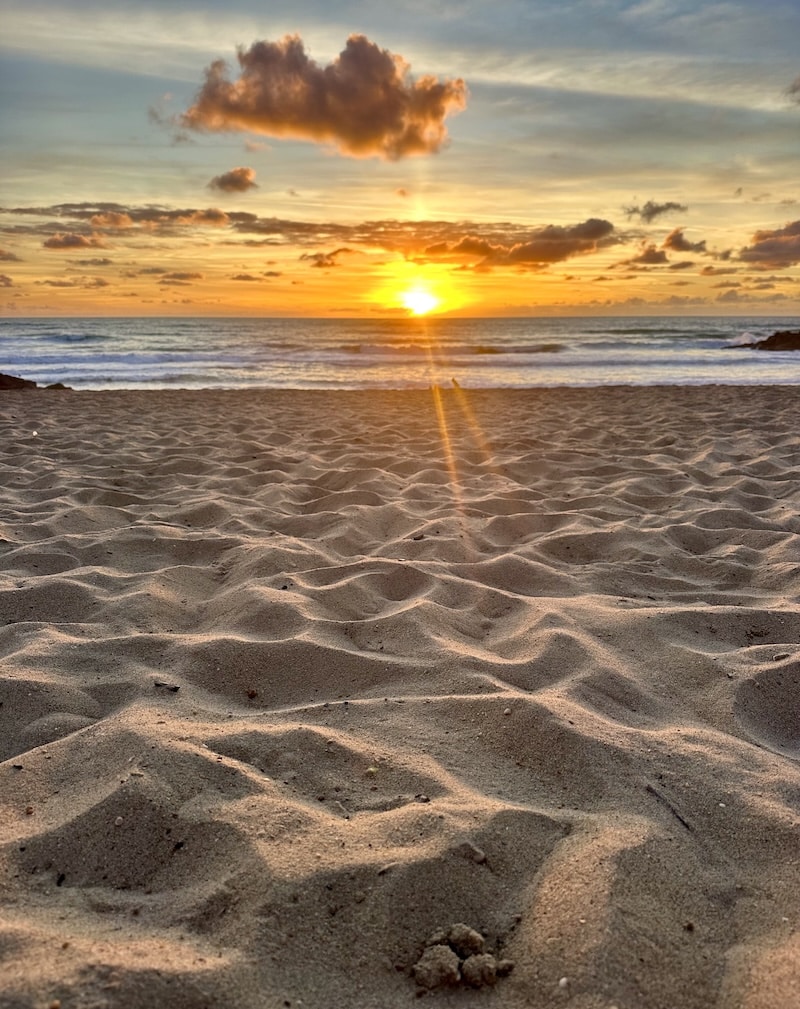
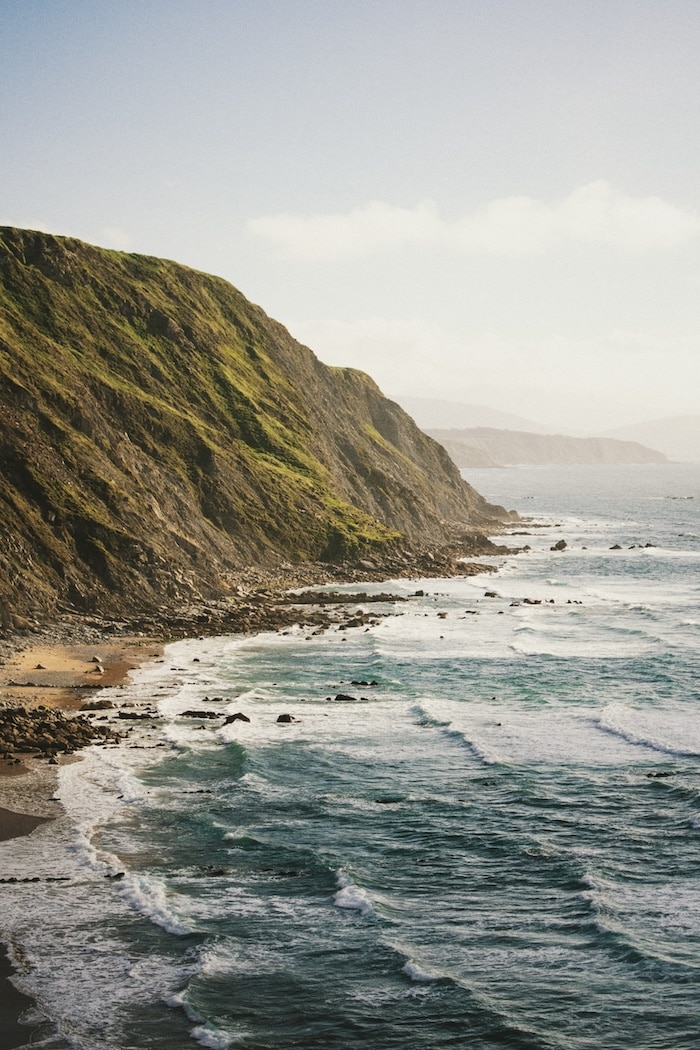
By contrast, the southwest sits along the vast North Atlantic coastline, which runs down the western coast of Spain, Portugal, and west Africa. The ocean welcomes impressive wildlife like dolphins and whales, while the intense waves rolling into the Bay of Biscay tempt surfers from around the world. Facing west, the sun sets directly over the water, painting mesmerizing skies along the horizon each night.

© Olivia Hoffman

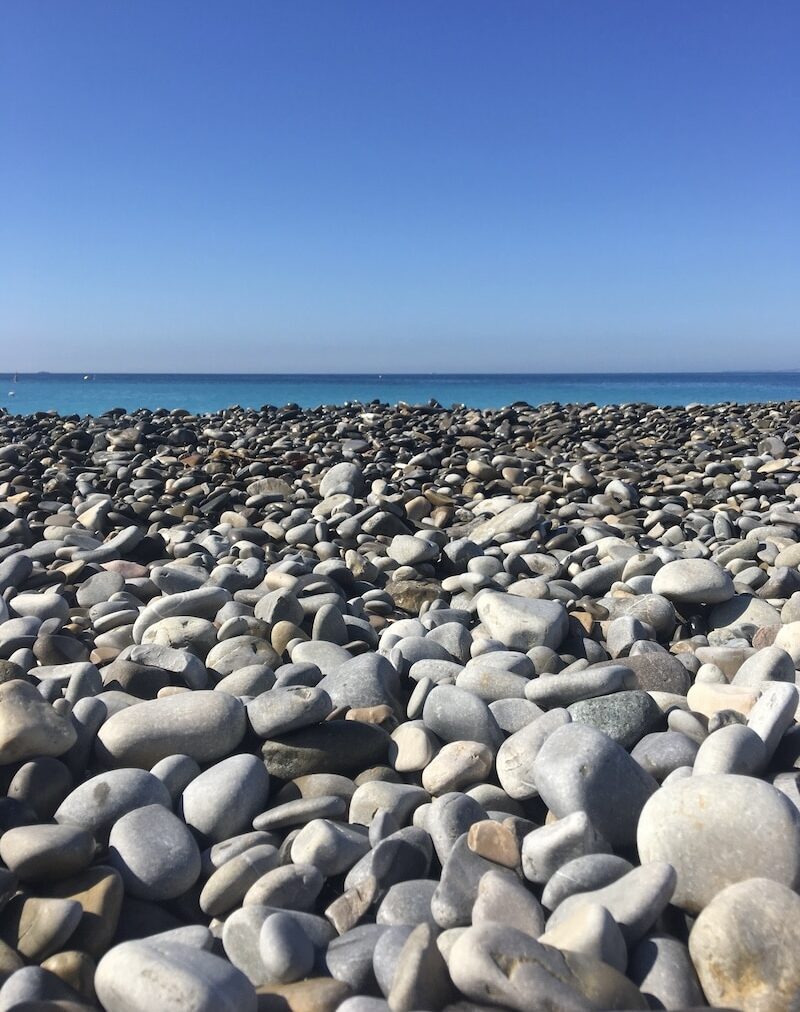
Rock Beaches

That same calm sea shapes the shoreline. Rock beaches are one of the most iconic features of the Côte d’Azur, where smooth grey stones create a nature-made mosaic all along the coast. It may not be the most comfortable surface to sit on directly, but plenty of restaurants and beach clubs offer cushioned lounge chairs to rent for the day, so you can soak in the beauty of the Mediterranean restfully.

Sand Beaches

The west coast offers an entirely different beach experience. Soft sandy shores make it possible to stretch out on a towel or a foldable chair directly on the ground. Sport-inclined beachgoers toss around balls and frisbees while children build little kingdoms in the sand. Beach clubs with lounge chairs are not as popular here, but there are plenty of restaurants and bars within steps of the ocean.

© Unsplash

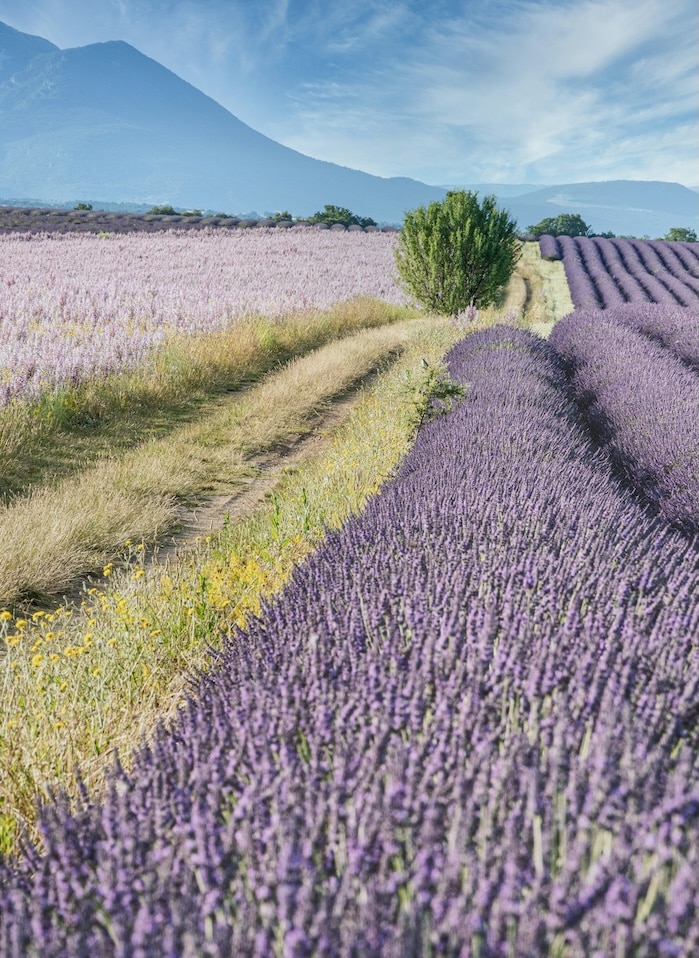
Lavender Fields & Hills

Heading further inland from the coast, it’s easy to tell why Provence is renowned for its perfume industry as fields of lavender burst into bloom each summer. Additional aromatic plants line the hills alongside vineyards growing grapes that will become the region’s emblematic rosé.

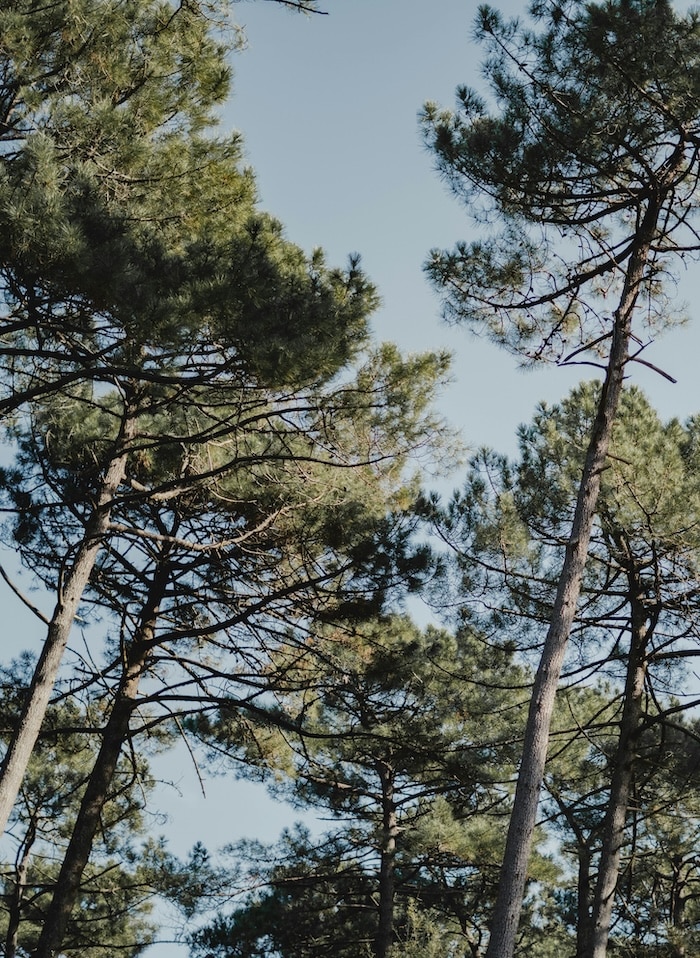
Pine Forests & Dunes

The active energy of the southwest carries into the countryside which is framed by the verdant Pyrenees Mountains with hiking trails through pine forests. Closer to the water, impressive sand dunes border the beaches, offering a place to watch the wild Atlantic waves roll in from above.

© Unsplash

Italian Influence

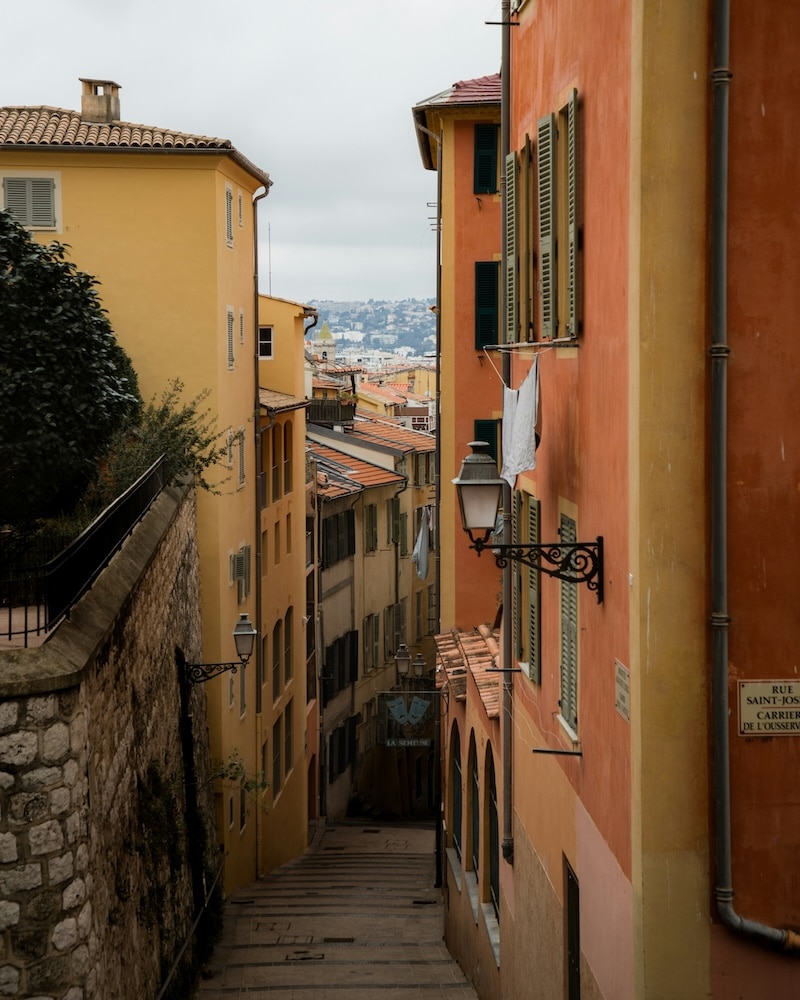
The cultural fingerprints of each coast are just as distinct as the landscape. As many areas of southeast France were once part of Italy, there is naturally a strong Italian influence in everything from food to fashion to architecture. Nice belonged to the Kingdom of Sardinia until 1860, and that history is still visible in the pastel facades and piazza-style squares of the old town. The local dish socca, a thin chickpea pancake, traces straight back to Genoa, and even the local dialect, Nissart, carries a noticeably Italian lilt.

Spanish Influence

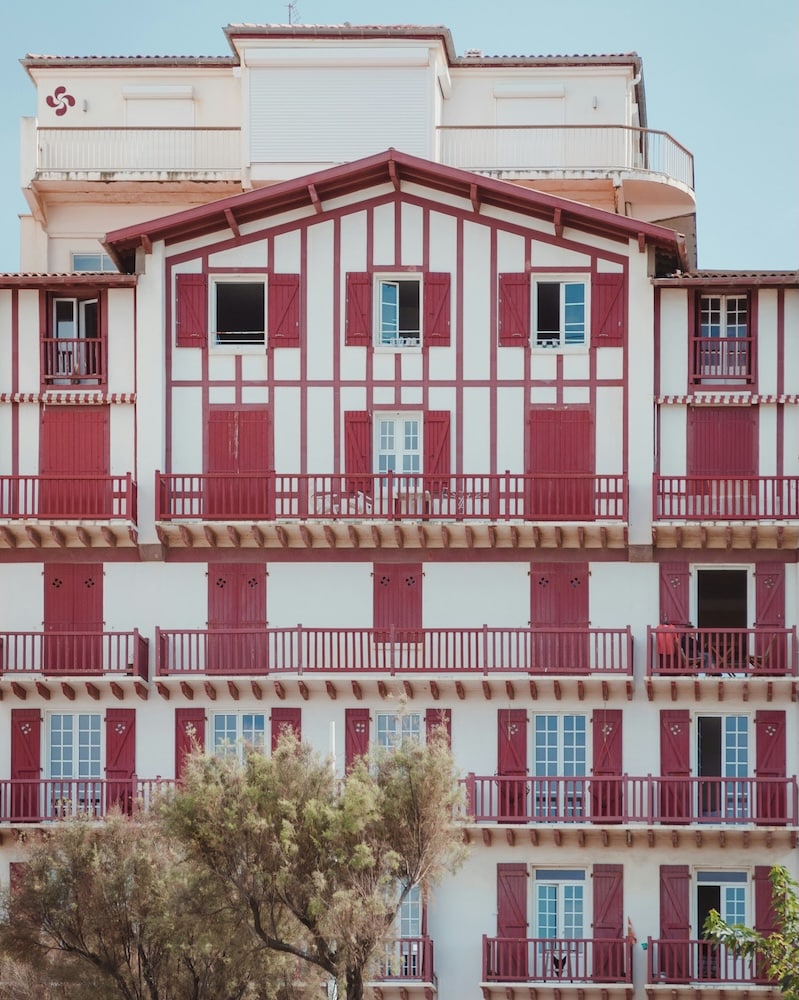
Since the Basque Country also encapsulates a part of northern Spain, Spanish customs greatly overlap with southwest French culture. The red and green half-timbered houses found throughout Basque villages look the same on either side of the border, and the food follows the same blur: bars selling pintxos (similar to tapas) line the streets of Bayonne and Biarritz, and Espelette pepper shows up on every menu. The Basque language, Euskara, still appears on road signs and storefronts alongside French, a reminder that the border here has always been more of a suggestion than a wall.

© Unsplash

Yacht Culture

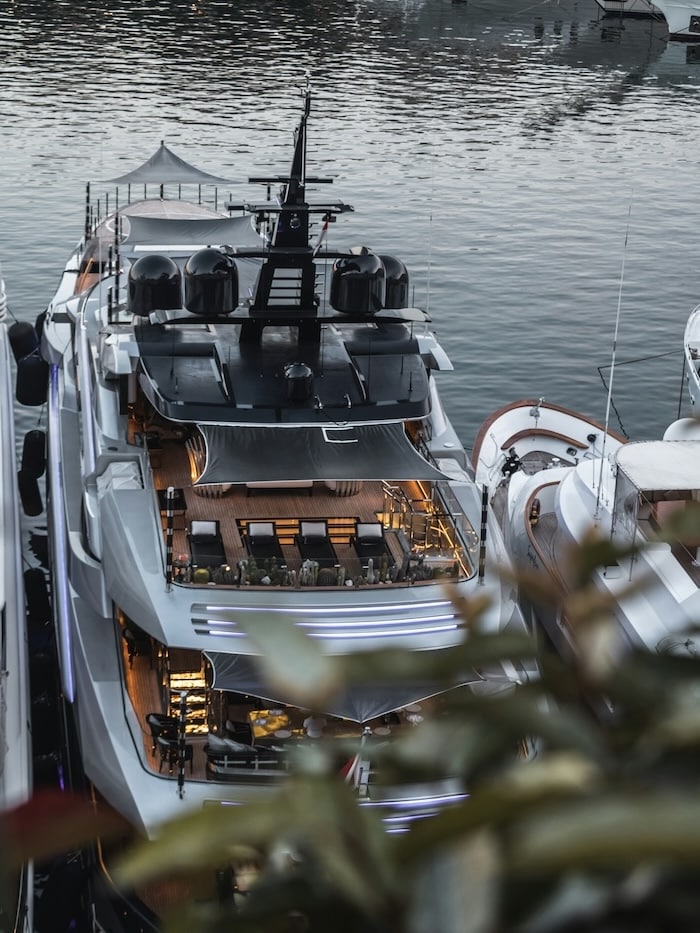
Glamourous cities and towns like Monte Carlo and Saint-Tropez attract yacht owners to the Mediterranean from around the world. With calmer waters, it’s a perfect place to dock in summer, with easy access to the coast’s famous high-end restaurants and clubs. The boats serve as a home base for people attending exclusive events and celebrations, while grand yacht shows in Cannes and Monaco each September attract shoppers and dreamers alike.

Surf Culture

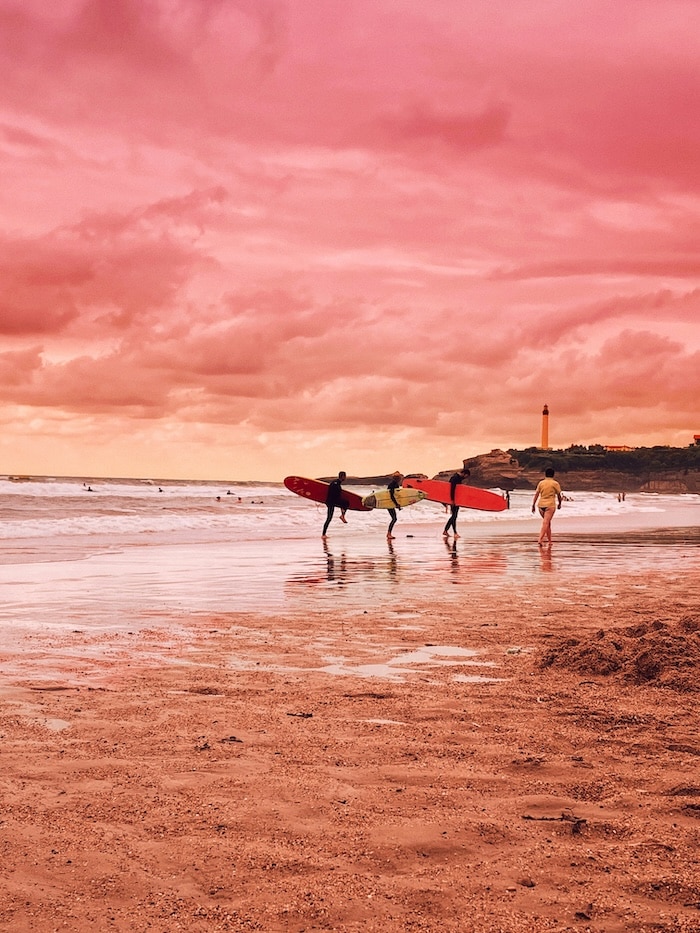
For a more laid-back atmosphere, the west coast revolves around surf culture, as towns like Hossegor and Biarritz are among the most sought-after surf destinations in all of Europe. It’s not uncommon to see barefoot board-bearers making their way to the waves at any time of day, year-round. Even for non-surfers, that easygoing energy carries through into the villages, where the pace of life is more casual and serene.

© Unsplash

Southwest or Southeast? You can’t go wrong!

East or west, you’re still in the south of France. It just looks different depending on which way you’re facing. Pick the coast that matches your mood this time and save the other one for the next trip. Whichever coast you choose, you’ll end the day looking out at water that deserves every bit of its idyllic reputation.

Written by Olivia Hoffman

Continue Reading

Wander Through Our Stories

Photo by Stephan Julliard

The French secret to cooking, dining, and hosting, is rooted in simplicity. 

Reliability is favored before flash and glamour in the kitchen, but simple aesthetic flair pops in at every corner. In that vein, the French ensure each item is chosen and appreciated for the duration of its abilities.

SUBSCRIBE TO THE MAGAZINE


Akin to a wardrobe, the French kitchen is constructed over time. Vintage cake stands, silver, and china won at auction or spotted at a brocante in Paris, make the delicate array of objects which color the French countertops and tables.

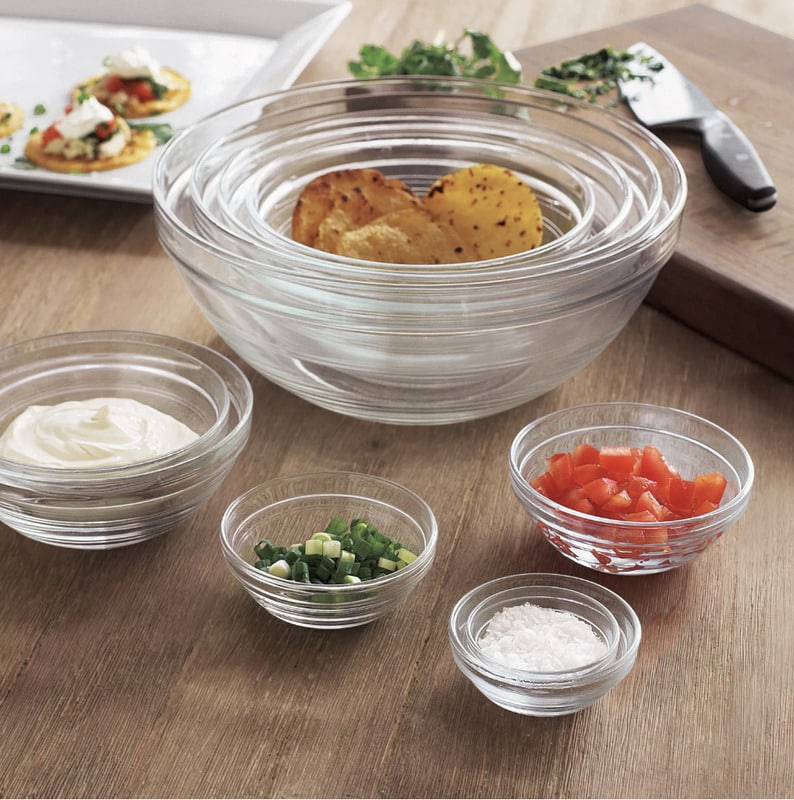
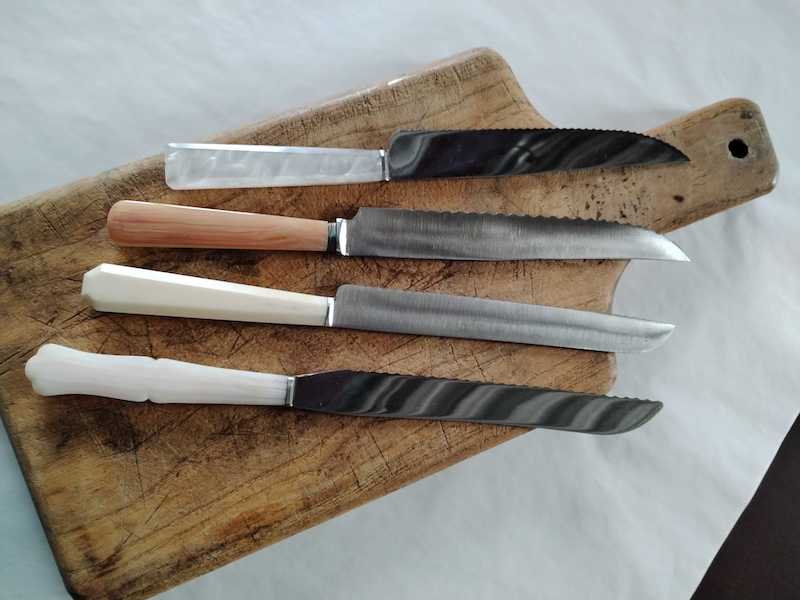
Upon entering, guests will notice drawers laden with well-loved objects. Knives fitted with aged and wooden handles, and homestyle cutlery with iconic acetate finishing are stored throughout. Salad bowls and a patchwork collection from Le Creuset double as serving dishes.

When curating la cuisine (the kitchen), the French are guided by the following sensibilities:

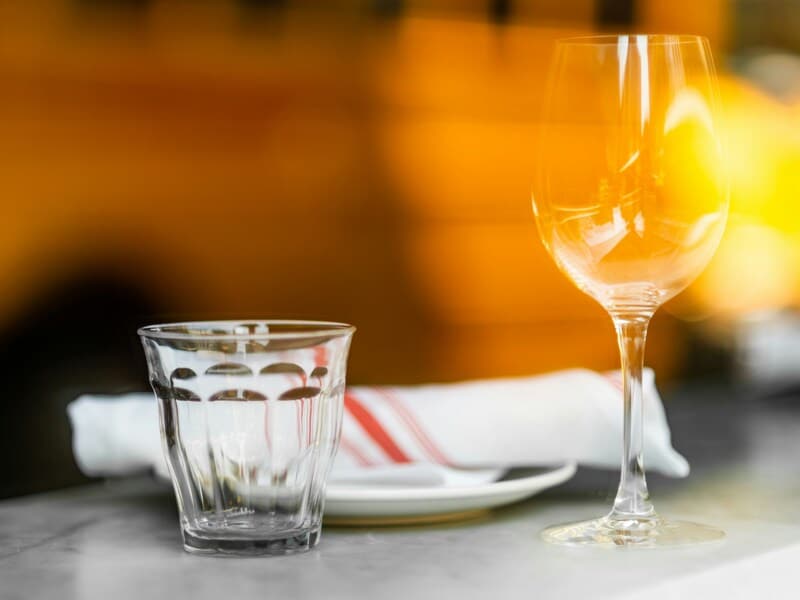
Is the Item Made in France? — French Glassware

When an item carries a Made in France label, whether etched at the bottom of a glass or along the blade of a knife, it brings a sense of pride to the buyer. The nation’s culinary manufactures have been lauded for their gastronomic tools and expertise for generations, as they lean into quality and the tradition of savoir-faire. 
Shop Here

Since many French regions specialize in certain areas of production, cooks of all backgrounds and expertise have a soft spot for supporting small local industries. The French opt for knives mades in Thiers, Duralex bistro glasses from Lorient, and china dishes crafted in Limoges.

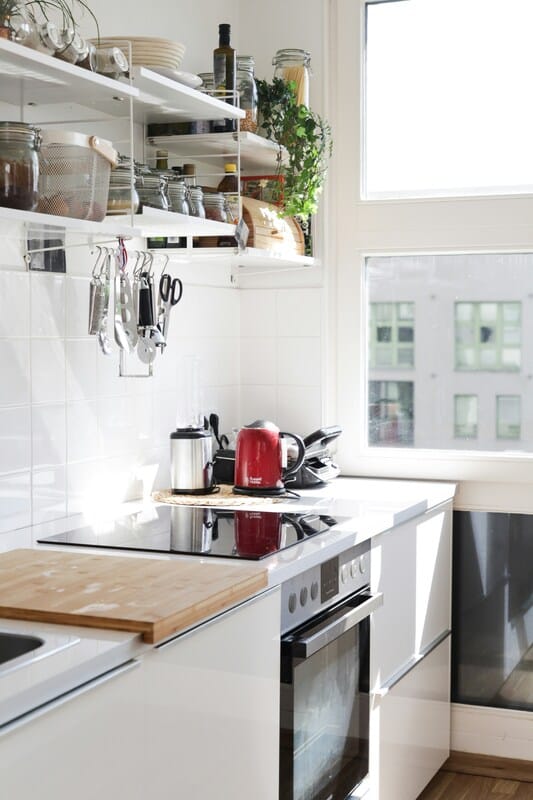
In many French homes, especially in urban apartments, space is coveted and optimized for ease. Kitchenware is designed with this in mind.
The southeast borders the sparkling Mediterranean Sea, the body of water framed by the southern coast of Europe and the northern coast of Africa. Often characterized by its crystal-clear, aquamarine waters, the sea is typically calmer and more temperate — especially in the summer, making it a prime destination for boating.

By contrast, the southwest sits along the vast North Atlantic coastline, which runs down the western coast of Spain, Portugal, and west Africa. The ocean welcomes impressive wildlife like dolphins and whales, while the intense waves rolling into the Bay of Biscay tempt surfers from around the world. Facing west, the sun sets directly over the water, painting mesmerizing skies along the horizon each night.

Does it Serve a Dual Purpose? — Smart Storage

In many French homes, especially in urban apartments, space is coveted and optimized for ease. Kitchenware is designed with this in mind.

Shop Here

Pots and pans are reimagined with removable handles, knives may be stored on strong wall magnets rather than in drawers or counters, and saladiers (salad bowls) may double as serving dishes for guests. 

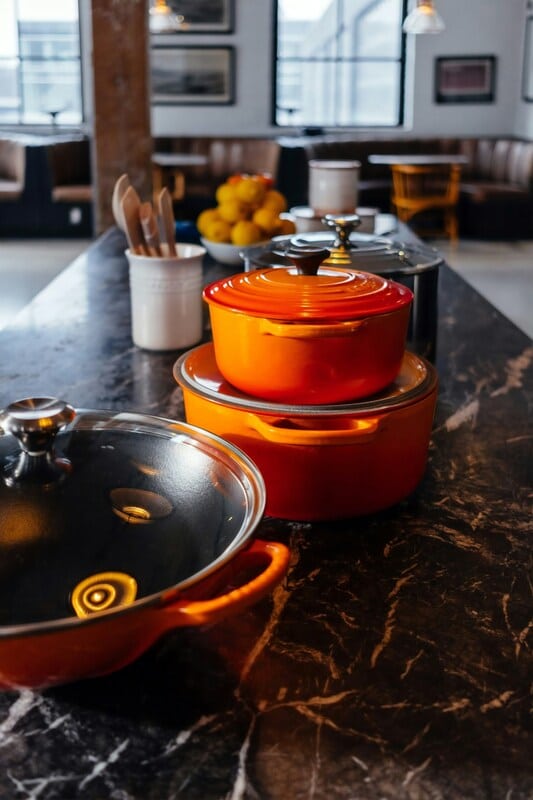
Will it Endure Wear & Tear? — Classic Dutch Ovens

Cooking or baking demands trial and error, and recipes may go wrong before they can be fully appreciated. A pan will burn and scratches materialize, but these imperfections are signs of life which add color to the memories made in the kitchen.
Shop Here

While French home cooks oscillate between delicate kitchenware and more reliable pieces, a cuisine armed with qualitative materials gives permission to make mistakes – which is vital when building a repertoire of French recipes.

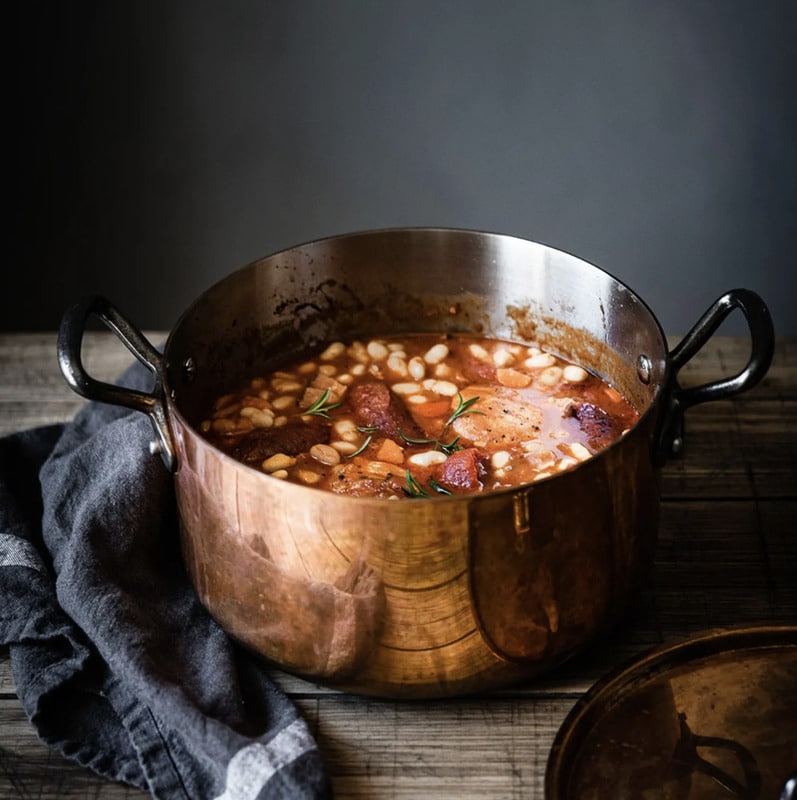
The French reach for Le Creuset time and time again. The enameled iron pots bring a soft elegance to the atmosphere which can be passed through the hands of many generations.

Can it be Recycled? — Elegant Jam Jars

The French aren’t afraid to reuse jars or keep plastic storage.
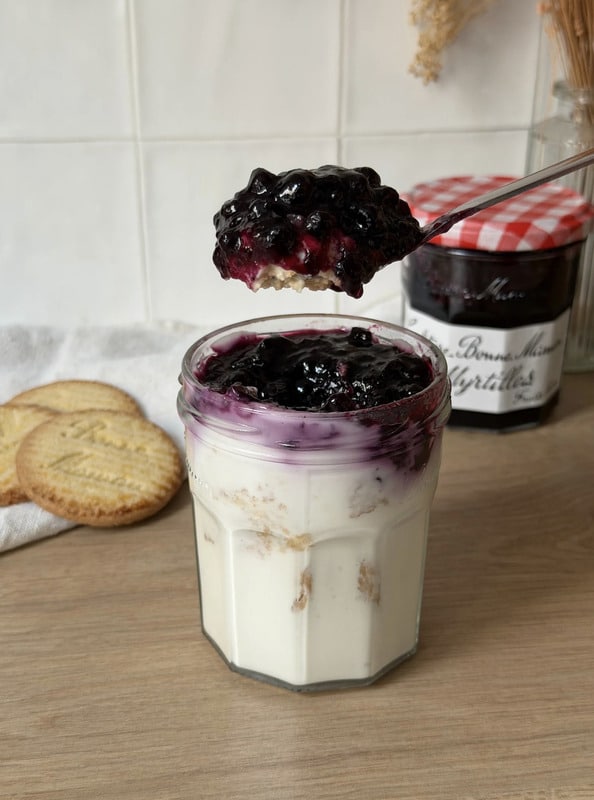
Bonne Maman in particular, is a popular choice for storing an assortment of items. With a pretty vichy patterned twist top and removable labels, these jars are quickly repurposed to mix the salad dressing or store the rests (left overs).

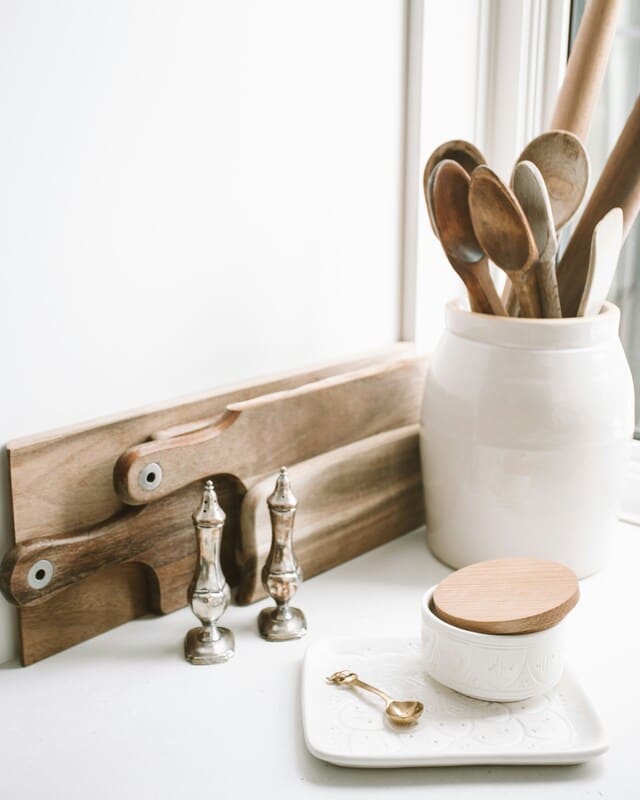
Countertop Essentials — Quality Copper & Ceramics

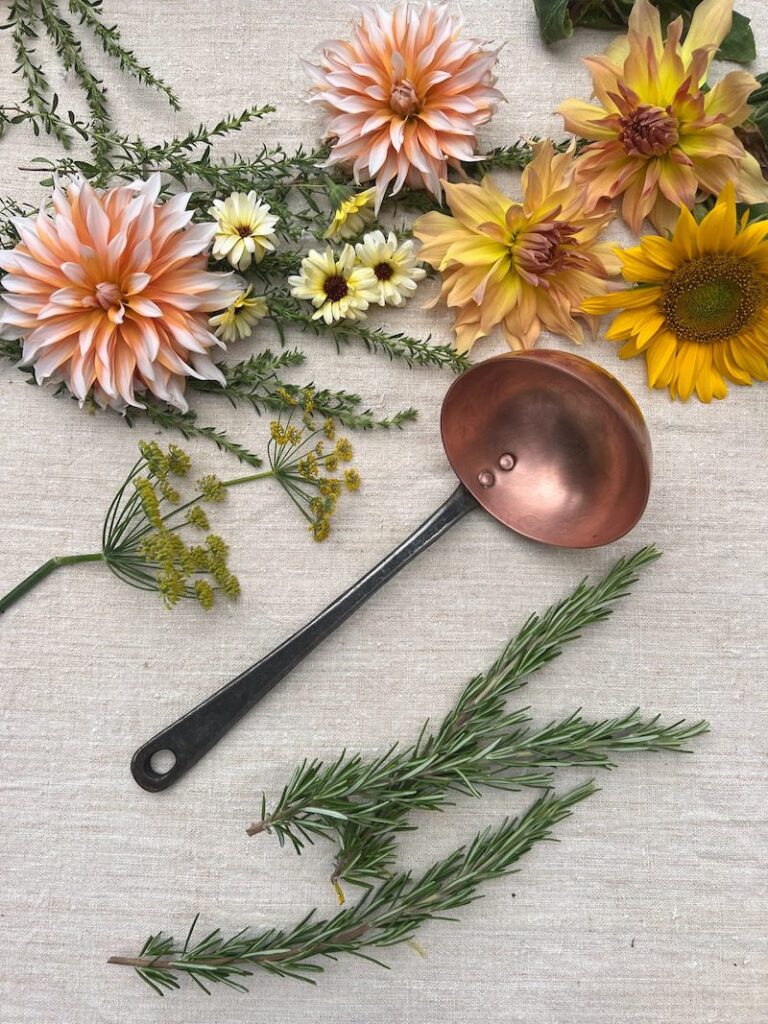
Since storage is often limited, counter tops cover the essentials. It’s not uncommon for collection of wooden spoons, spatulas, and array of copper utensils to be easily arranged and accessible in ceramic vase.
Shop Here

Any vase will do, but the French enjoy objects with a story. Those made by hand in the studio or gifted by a friend bring a special touch to the French kitchen.

Everyday French Cooking — Pots & Pans

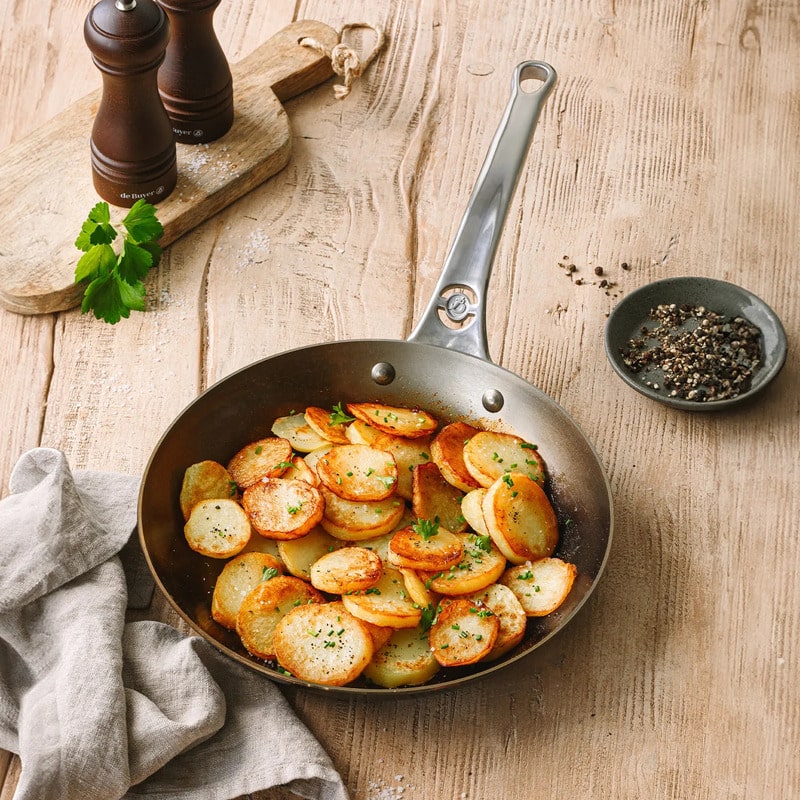
The French gravitate to several types of cookware. If one has a limited storage, some opt for pots and pans with one detachable handle.
Shop Here

De Buyer cookware is, otherwise, an indisputable favorite among home cooks. The iron pans are heavy and perfect for fool-proof cooking. At the same time, the pots feel luxurious and industrial, tapping into the medium of beauty and utility.

Quality Couteaux- Keeping Kitchen Knives

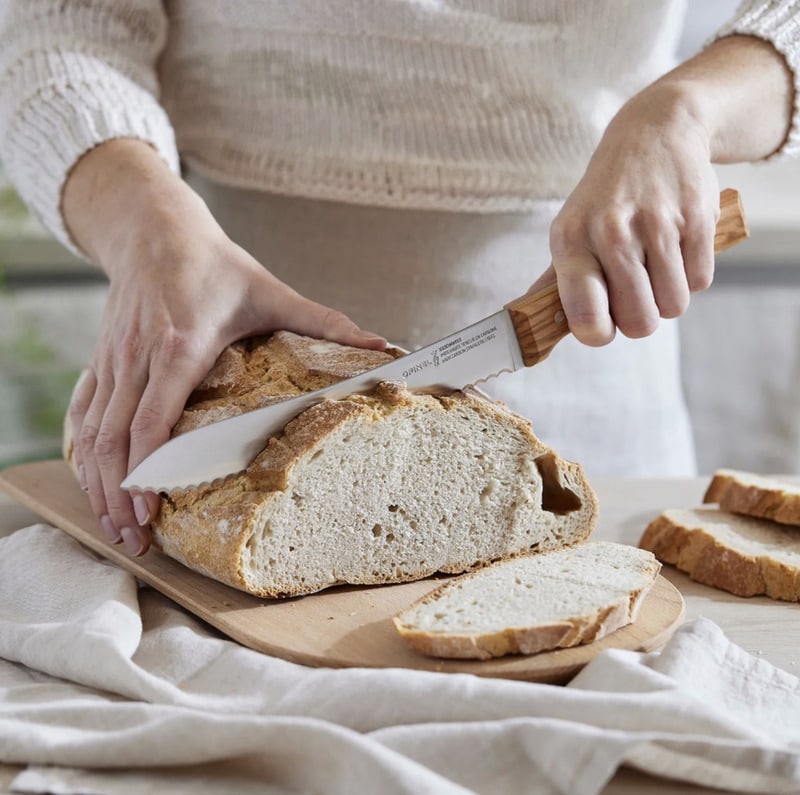
Rather than purchasing a set of knives, the French outfit their kitchens with a plethora of styles. Among the kitchen staples are objects with sentimental value.
Shop Here

An iron couteau (knife) which is purchased on holiday in Japan or at a market in the South of France, is as equally cherished by home cooks as classic Laguiole and Opinel cutlery. With an array of styles, knives are often stored side by side on wall magnets or in drawers.

Setting the Table – Flatware & Dinner China

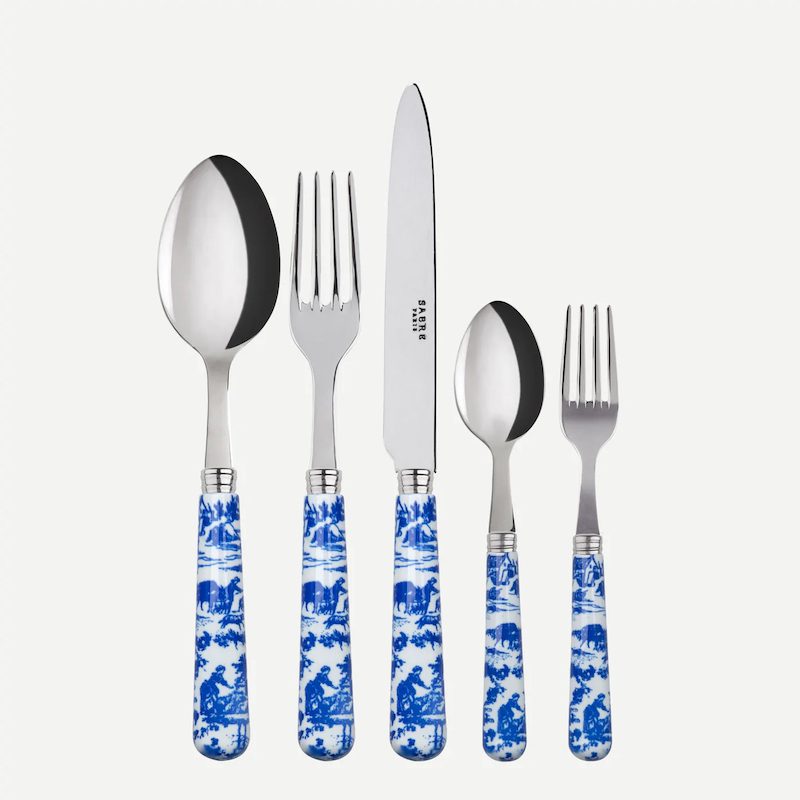
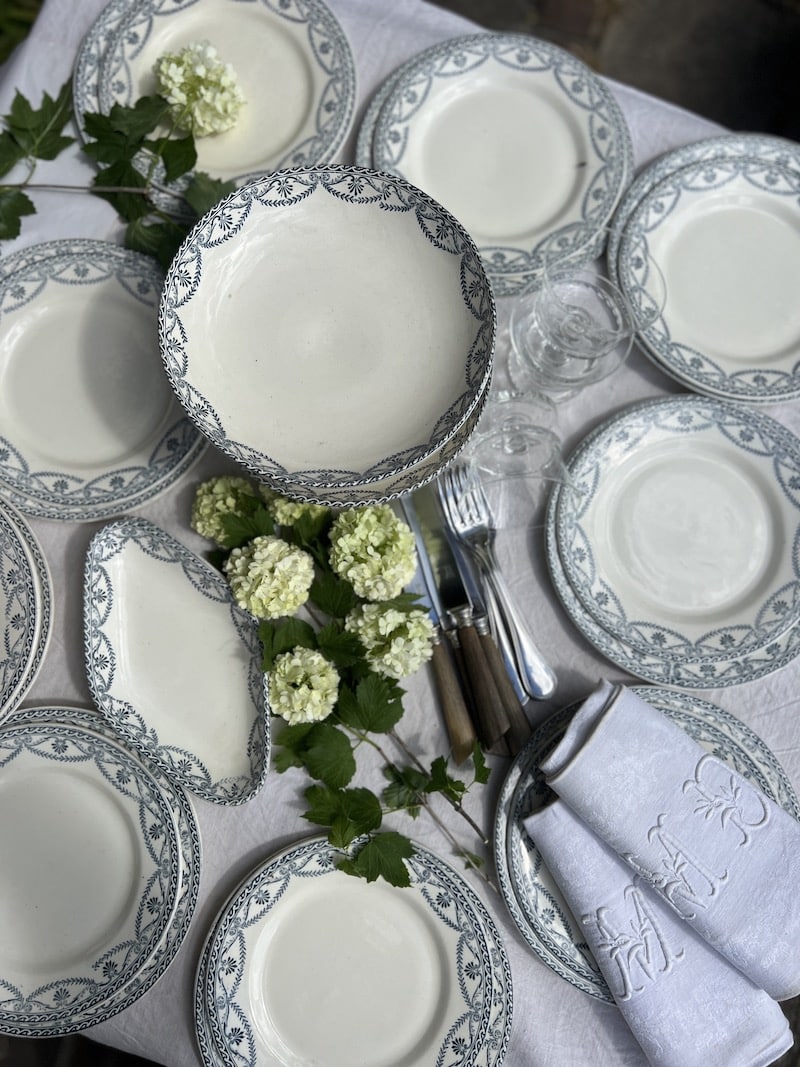
As an extension of the kitchen, the dining table frames the efforts made in a kitchen. A French kitchen table is set for each type of occasion. When a home meal served with family and close friends, place settings are lined with forks and knives, well loved china, and cloth napkins.
Shop Here

French kitchens are rich with reminders of travels, tradition, and confidence in utility. The French return to their favorite tools and methods repeatedly. This gives makes them confident in the space and willing to perfect their home recipes and flavors.

The goal is never really perfection, but an air of ease followed by a sense of simple beauty.

Written by Jessy Brewer

This post contains affiliate links. If you click through and make a purchase, we may receive a commission (at no additional cost to you). Thank you for supporting My French Country Home in this way as we provide recommendations to our favorite brands and products.

Read next: A Provence-Inspired Tablescape – Bring the South of France to Your Table

Related Articles

This Site Uses Cookies

Don’t be alarmed, we do not use or store your information. We are a French site and this is simply a regulation for the European Union to let you know that this website uses cookies to improve your user experience. By using our website you consent to all cookies in accordance with our Cookie Policy. Read More