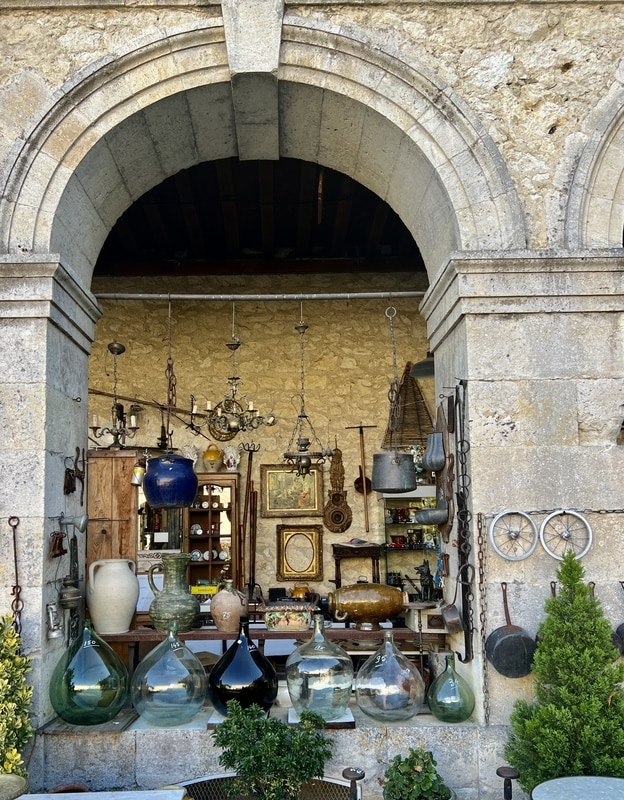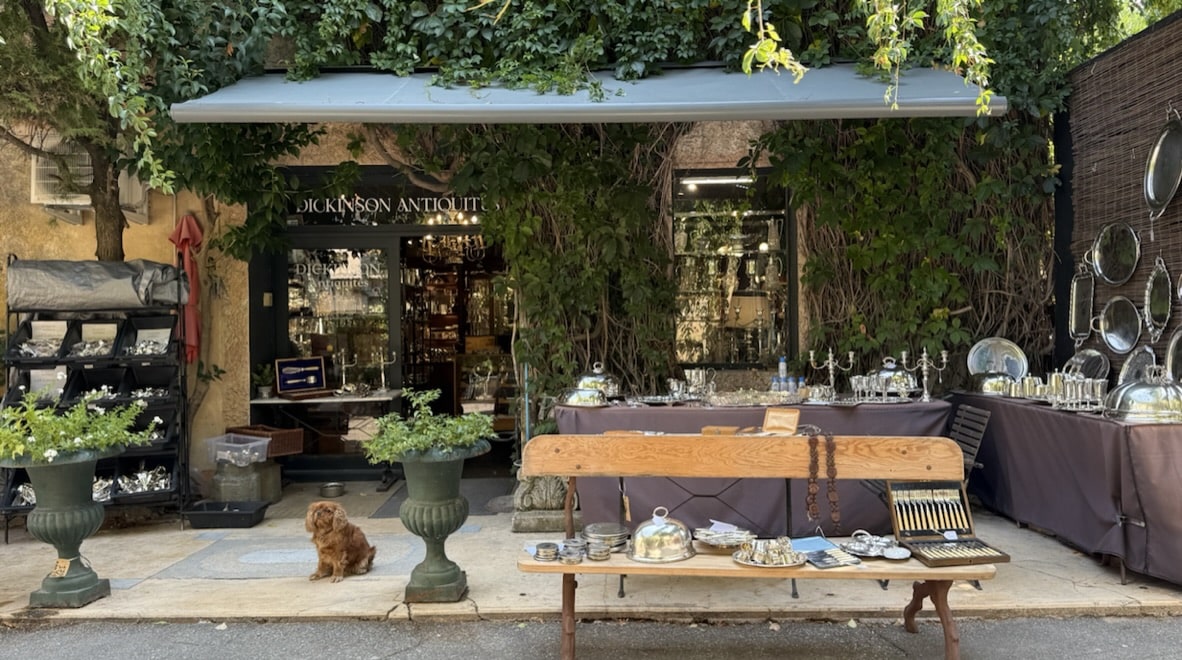
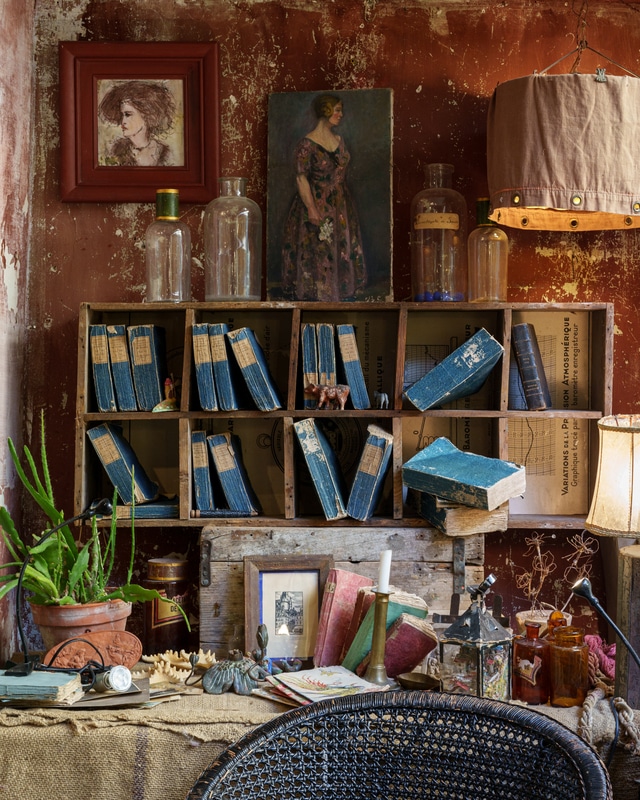
Photo by Joanna Maclennan, from The Art of Antiquing by Sharon Santoni
Hunting for antiques is as much about the thrill of discovery as it is about the satisfaction of a well-made purchase. In France, antiques dealers are generally friendly, knowledgeable and open to discussion, often happy to share insights about their wares. However, above all, they are observers of tradition, and a single misstep could earn you the dreaded “c’est pas possible” from a displeased vendor.
SUBSCRIBE TO THE MAGAZINE
Knowing when to ask questions, how to negotiate politely and respect the dealer’s expertise are therefore as essential as knowing what you’re on the look out for — and will go a long way when it comes to finding items for the right price, and building a network of dealers you know and trust.
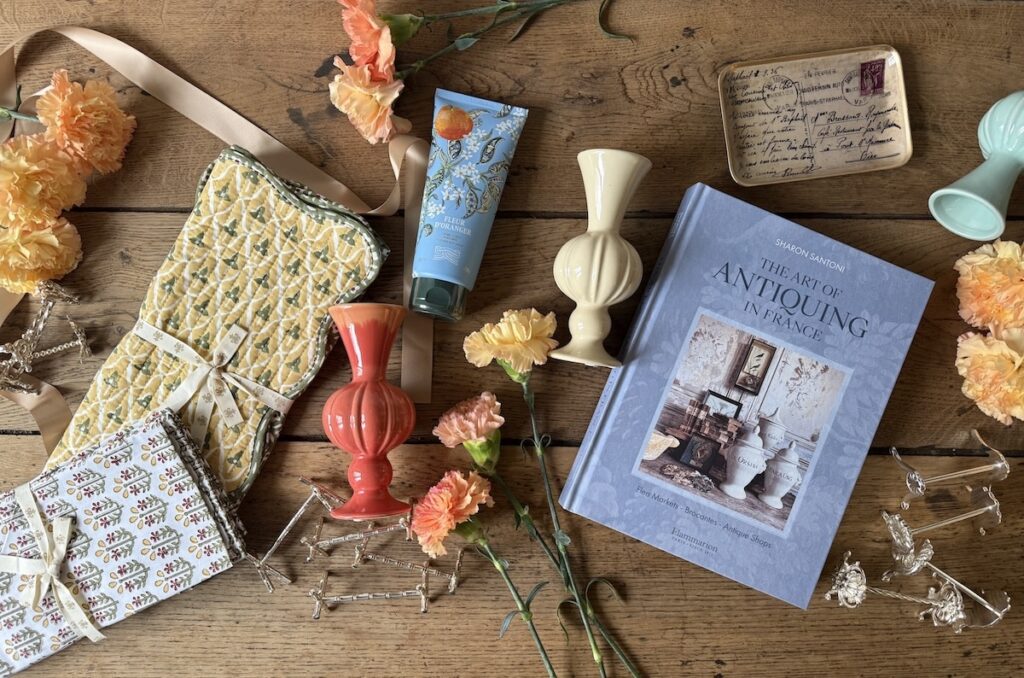
So, before you head out to the brocante, it helps to brush up a little on your French market etiquette. Here are a few simple tips from Sharon Santoni’s latest book, ‘The Art of Antiquing in France: Flea Markets, Brocantes, Antique Shop,’ that can help prevent any malentendus (misunderstandings), keep things running smoothly — and hopefully secure you a steal!
For readers keen to explore France’s best markets and antique styles in greater depth, signed copies of ‘The Art of Antiquing in France: Flea Markets, Brocantes, Antique Shops’ by Sharon Santoni are now available in the My French Country Home Boutique. Use the code MFCHMAG10 for 10% off your purchase on the MFCH Boutique!
Sharon’s Top Tips:
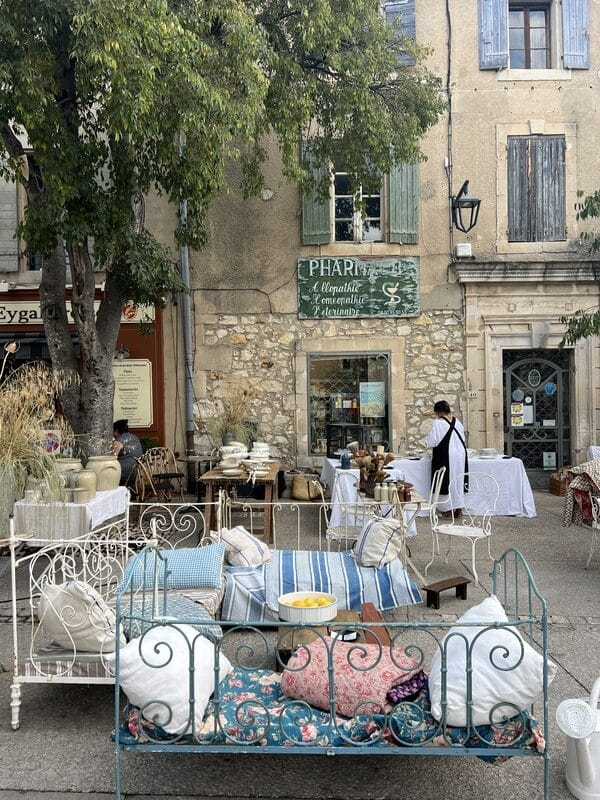
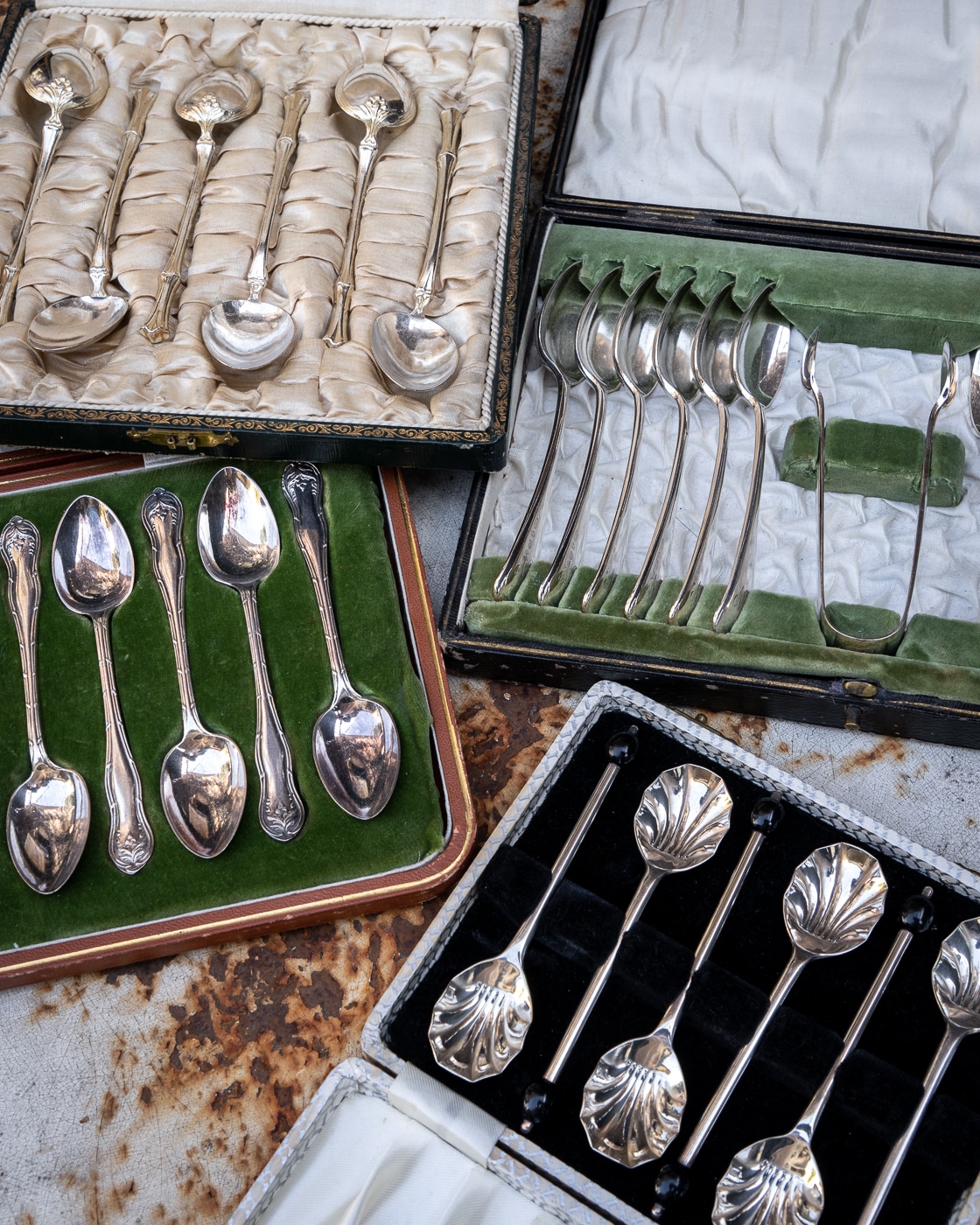
- Don’t be shy to show the vendor that you are interested in the history of an item; they love to have discerning clients with a deep appreciation for design. Everyone also prefers a smiling client…!
- Keep your eyes and mind open. It’s rarely a good idea to shop with a wishlist. Go in with an open mind and be ready to be surprised. By concentrating too closely on ticking a list you won’t notice the unexpected.
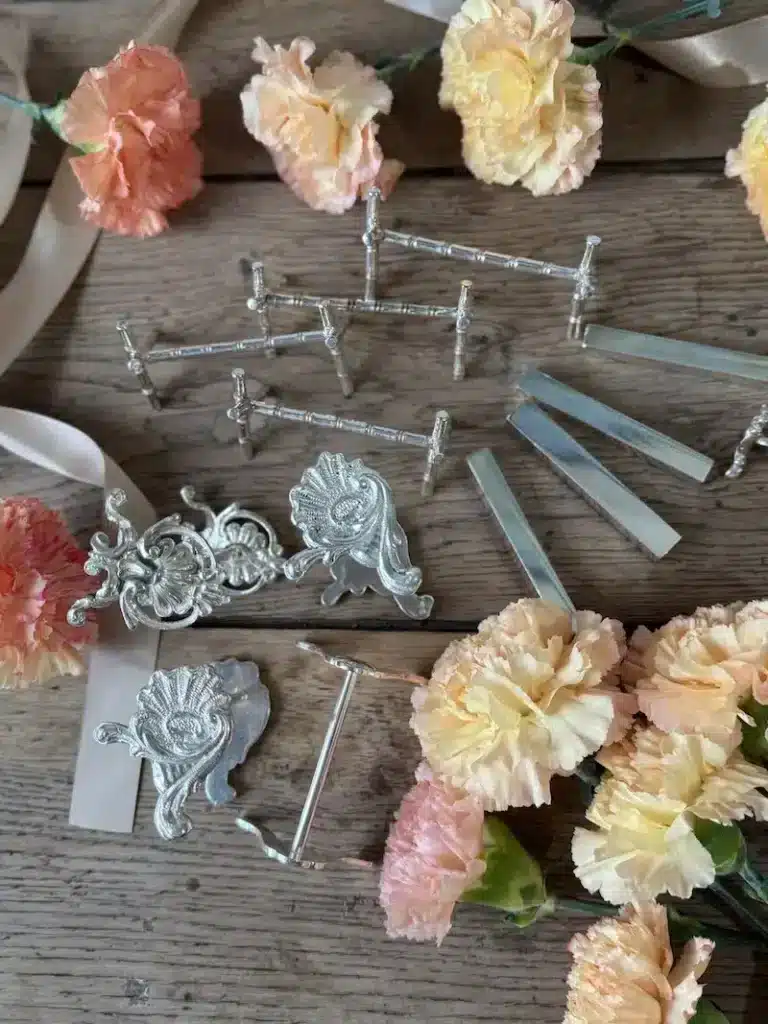

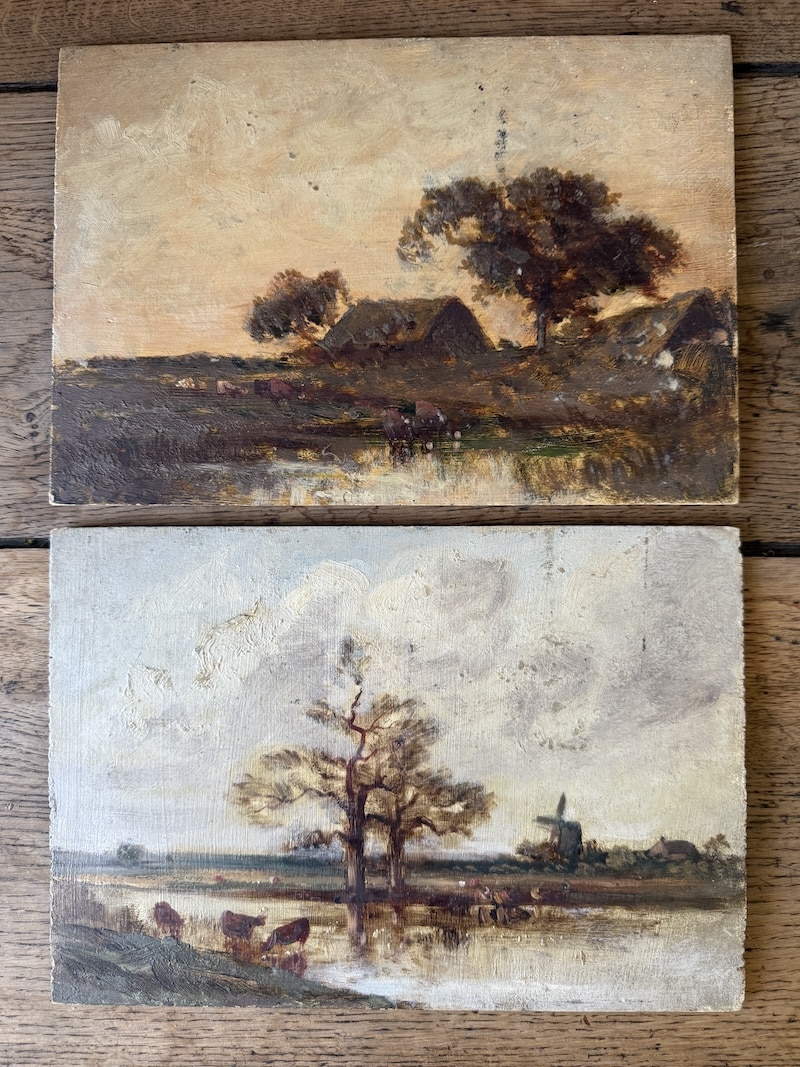
3. Secure your options. At fairs and markets, if you are thinking about a piece, or negotiating the price, it is best to keep your hand on it. This is a sign to other potential buyers that you have first dibs. If you decide not to buy, then put the item down and it is free for someone else to snap up!
4. Be discreet! It is not in the French culture to exclaim loudly, or show too much excitement. Contain your joy and avoid drawing attention to yourself. The discreet buyer gets the better prices….
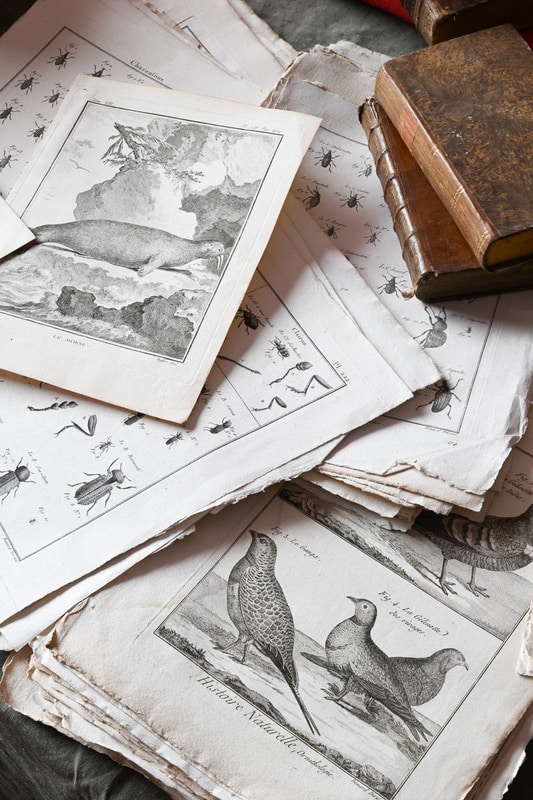
5. Be prudent with any money you carry. In a country fair, or at a small vendor’s store, it looks out of place to pull a large wad of notes from a pocket to pay for something. Plan to have your money in different pockets, or in a money belt to keep your hands free. If you buy something expensive and have to pay with a bigger quantity of cash, then deal with the vendor as discreetly as possible.
6. Agree on a price. When negotiating a price don’t push too hard. Most vendors will have some flexibility but don’t expect them to drop their price too far. If you are unsure of a price, then write numbers down on a paper to avoid confusion. Once you have agreed on a price, be sure to keep your word. The purchase should take place immediately as it is considered rude to barter and obtain a discount and then not buy.
7. Dare to be brave. Dealers are more open to negotiating at opening or closing. If visiting a market or fair during peak hours — and you’re feeling brave enough to risk losing the piece — revisit an item later in the day. You might get a better price if it’s still available.
8. Keep your hands free. When buying in a large fair, such as the Foire du Chatou, it is quite normal to pay for goods but leave them with the vendor while you continue to shop. The well organised fairs may have a porter service, allowing you to gather up all your purchases in one fell swoop. A word of advice, note down everything you leave and where!
9. Work with a shipper. If you plan to buy furniture or larger quantities of antiques, you’d be wise to contact shippers beforehand to get an idea of prices and details of the shipping process. For one-off purchases at the larger fairs, it is likely that shippers will be present and ready to help in person. At smaller fairs or antique stores, you can ask your shipper for a quote for collection, protection and shipping.
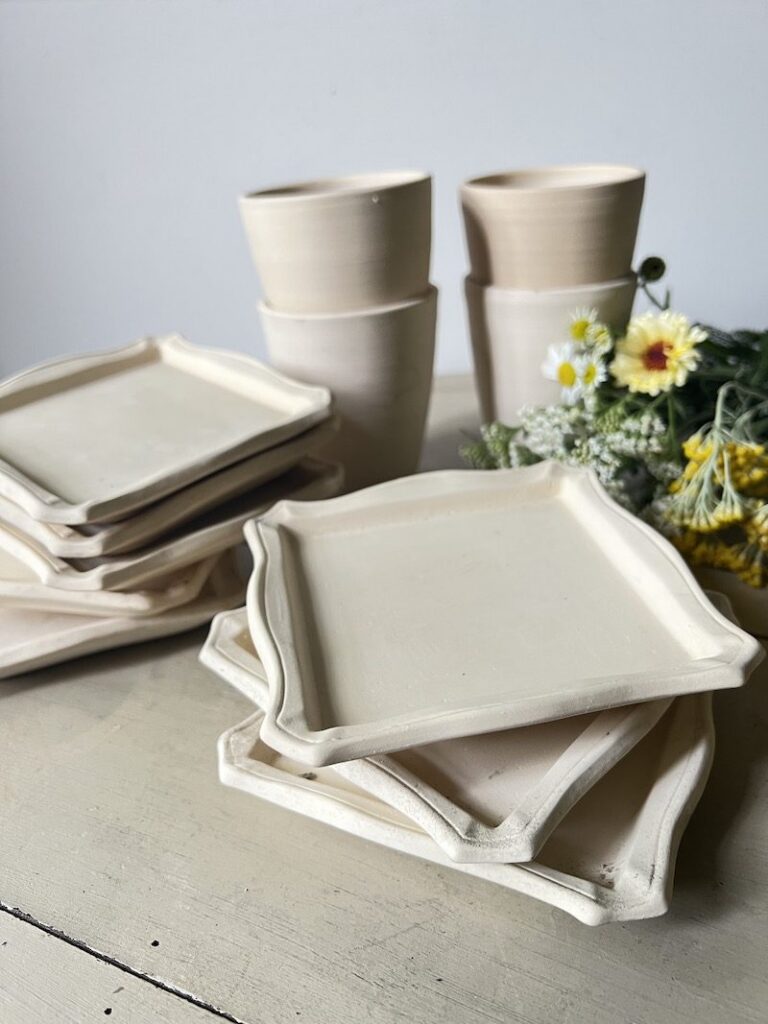
10. Finally, protect the goods. When buying fragile pieces, it’s reasonable to expect that the vendor would have some basic protection or wrapping. Goods are usually wrapped in newspaper, which suffices for short trips, but for delicate items like glassware and longer journeys, bringing your own boxes or bubble wrap can be useful. Some vendors may bag smaller items, but this isn’t guaranteed — having reusable bags on hand makes shopping easier.