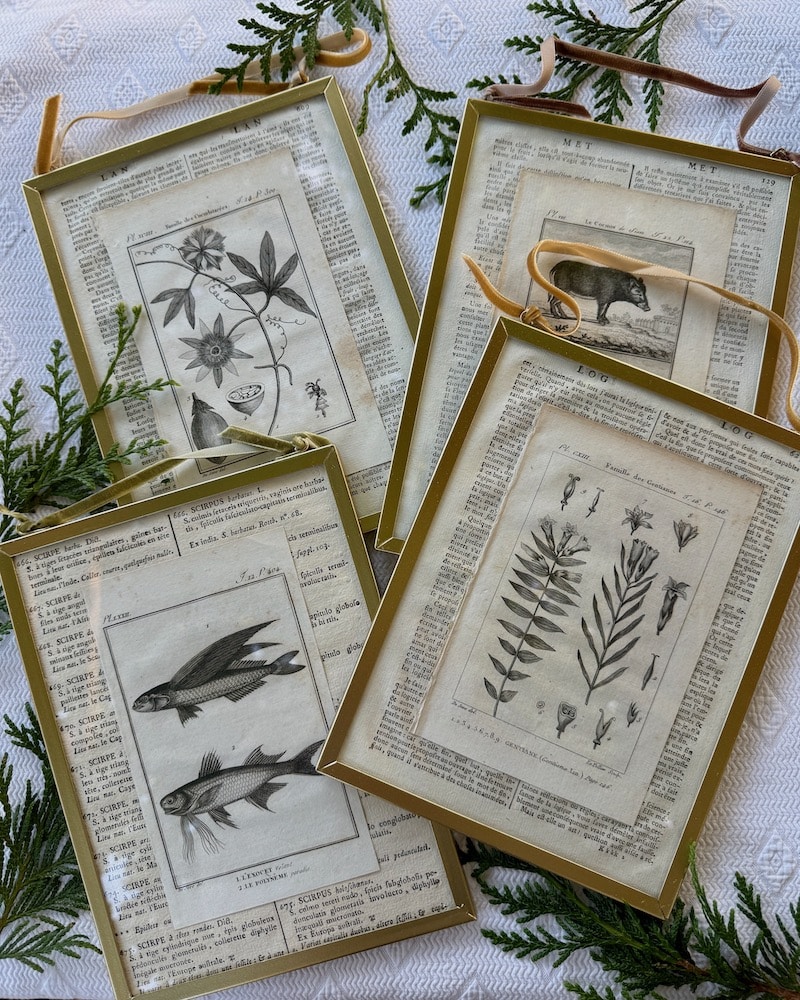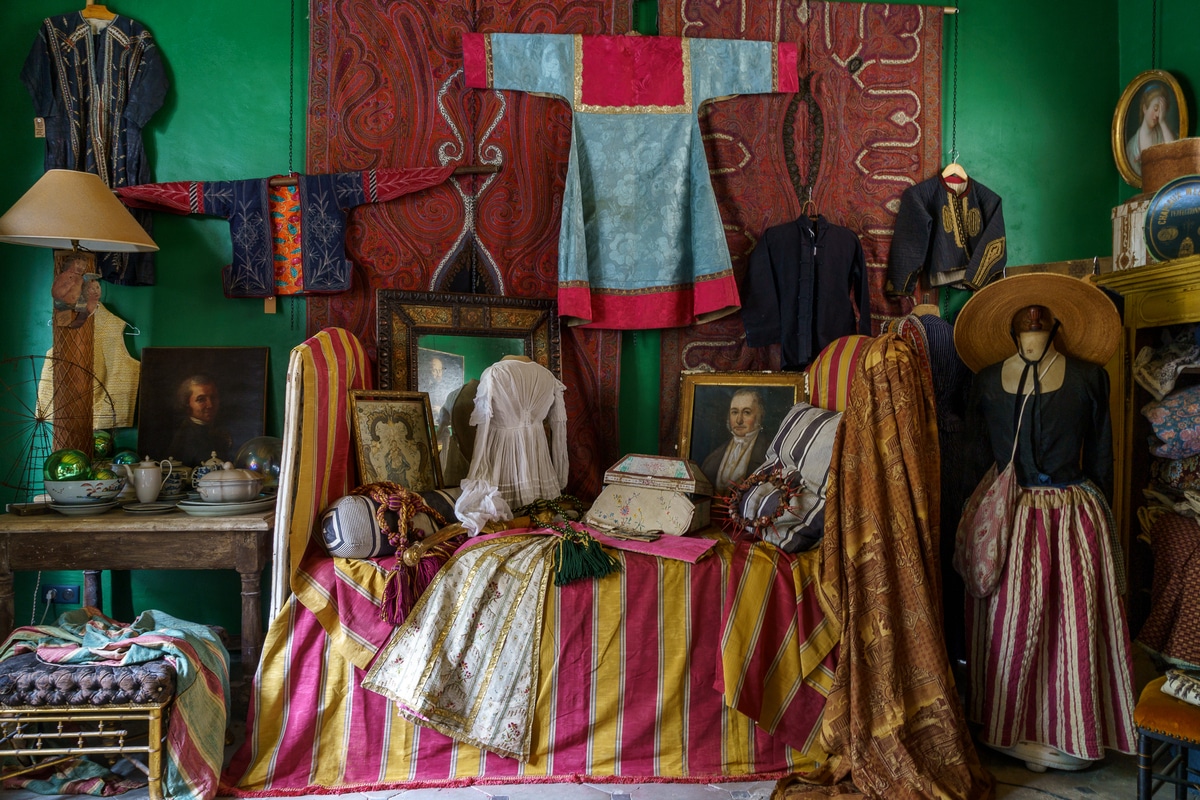
Photo by Joanna Maclennan, from The Art of Antiquing by Sharon Santoni
In France, very few homes are furnished entirely with new pieces. Buying antiques is practically a way of life, and interiors therefore tend to take shape gradually, with old and modern deftly blended together. These pieces are collected with intent: a mirror from a Sunday brocante, a farmhouse table found in a village shop, antique linens picked up at Les Puces in Paris. The result feels lived-in, layered and never overly coordinated — a mix that defines French style.
SUBSCRIBE TO THE MAGAZINE
Part of the appeal of antiquing is the history and sense of depth these objects carry. Even the simplest pieces bring character and create an air of timelessness that newer items rarely manage.
For collectors and casual shoppers alike, French markets also offer an enormous range of possibilities. Alongside period furniture, stalls typically display large selections of lace and linen, glazed ceramics, gilded mirrors and smaller decorative pieces that slip easily into modern homes.
Before heading out to the brocante, it helps to know what to look for. Here are a few of our favourite categories and periods that always catch our eye.
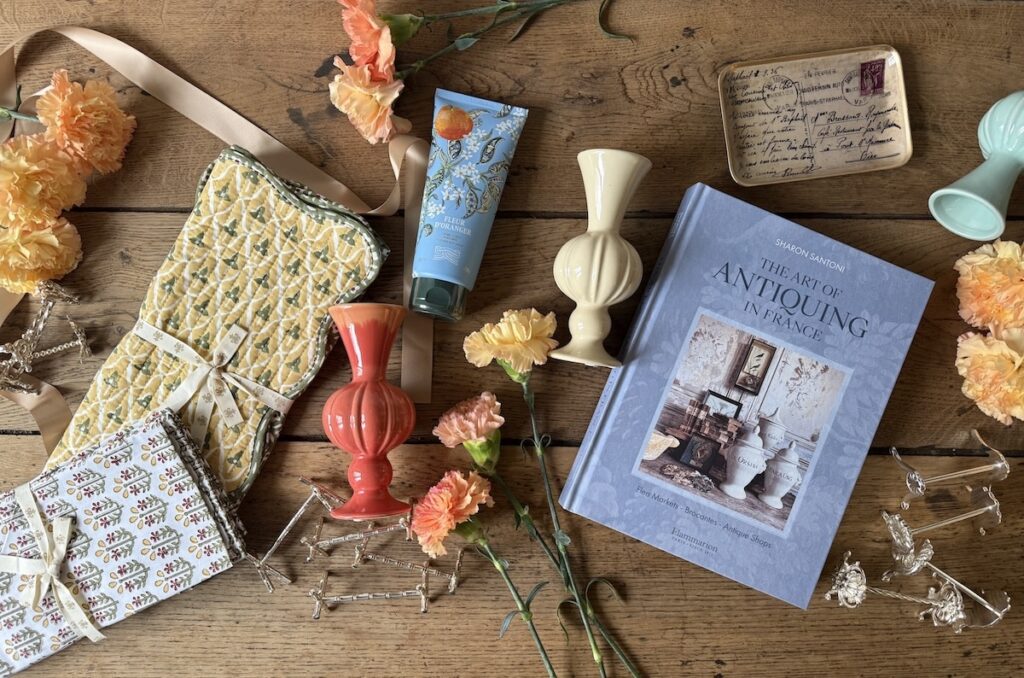
For readers keen to explore France’s best markets and antique styles in greater depth, signed copies of ‘The Art of Antiquing in France: Flea Markets, Brocantes, Antique Shops’ by Sharon Santoni are now available in the My French Country Home Boutique. Use the code MFCHMAG10 for 10% off your purchase on the MFCH Boutique!
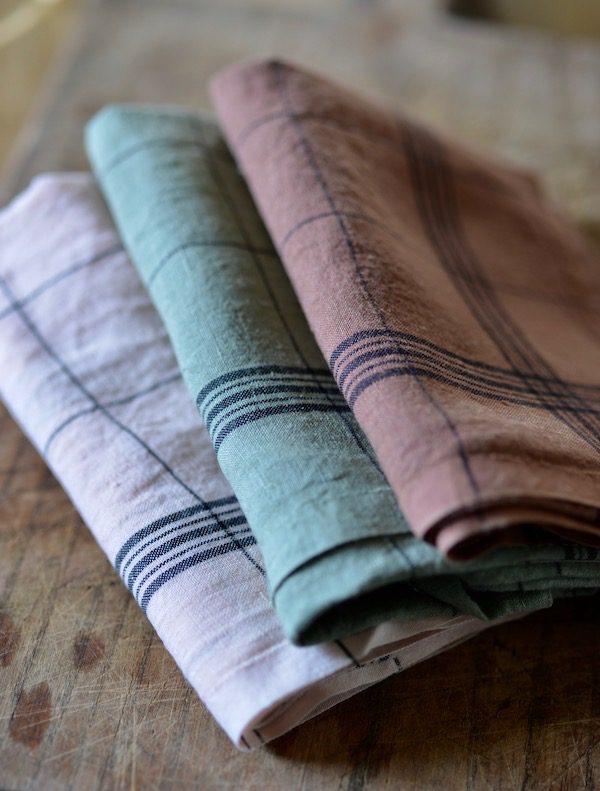
1. 19th and 20th Century Linens
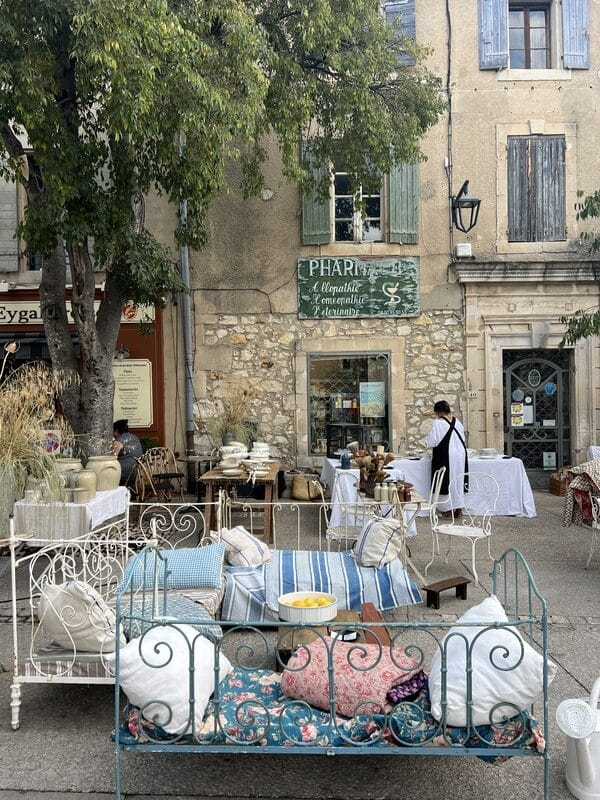
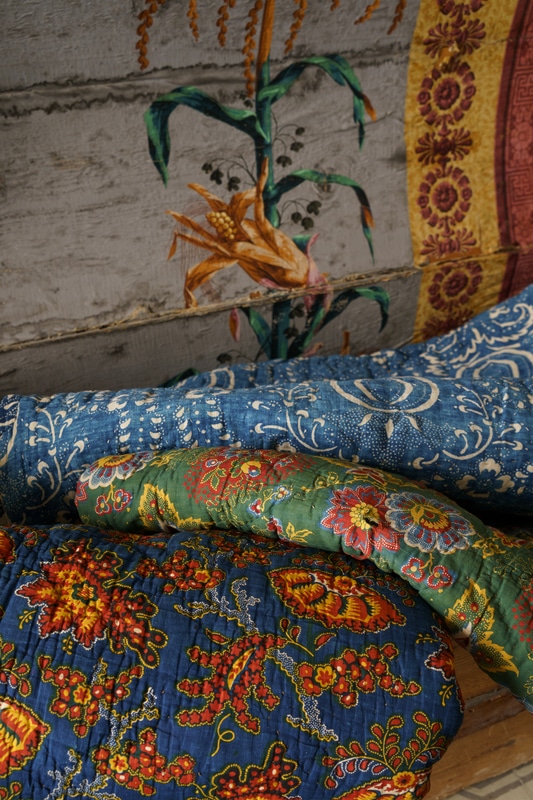
Among the easiest antiques to find at French markets are household linens. Stalls are often stacked high with folded sheets, napkins, tablecloths and lengths of fabric — sometimes bundled in neat piles, sometimes spilling from old trunks. Many date from the 19th century, when household textiles were woven from flax and intended to last for decades. Remarkably, many still do, with individual embroidered napkins and complete sets of household linens to be found among the larger selection of 20th century offerings.
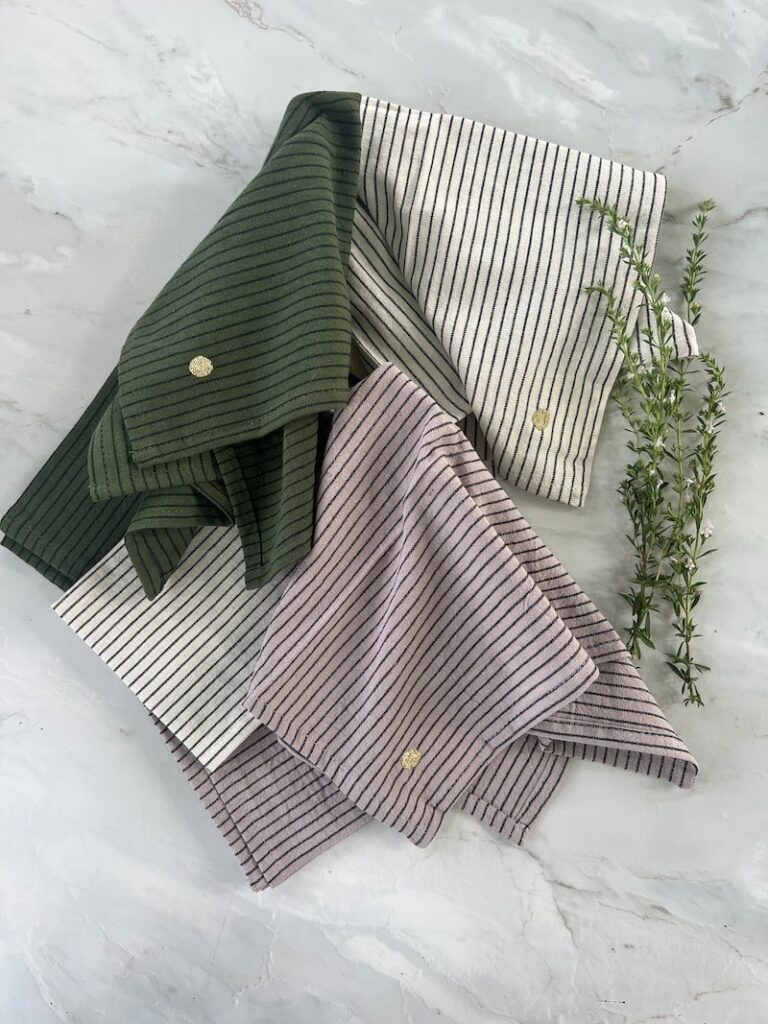
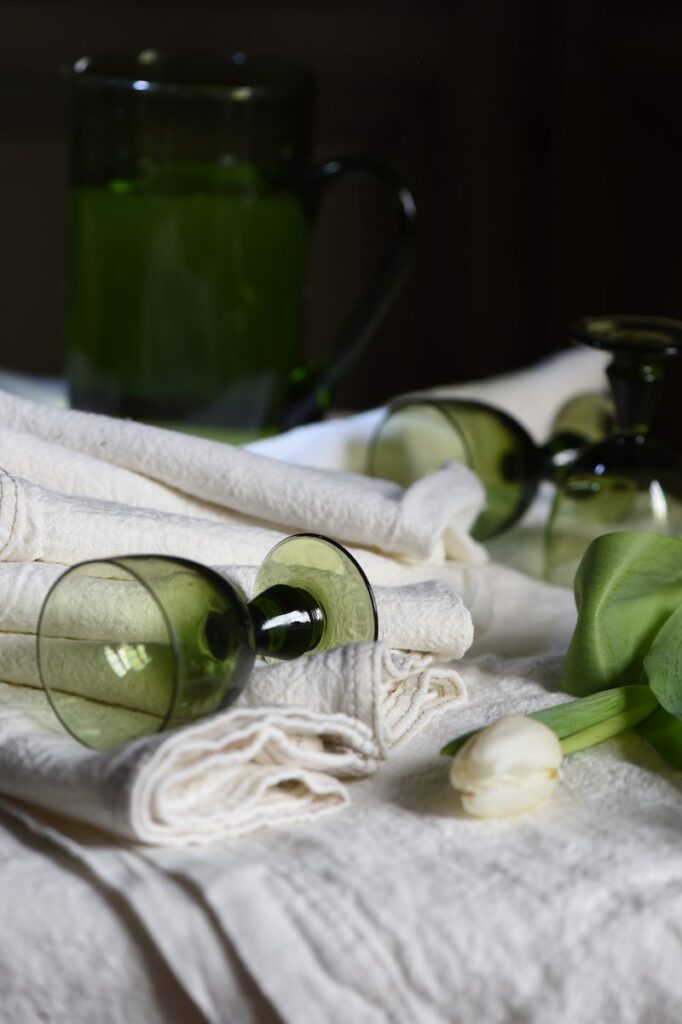
While older textiles are remarkably soft and can last for many years if cared for properly, condition matters. Avoid pieces with heavy use, but don’t shy away from small repairs, which can add longevity and character to these pieces. Many also carry small details worth noticing, from initials and ladder stitching to hand-worked lace trims or drawn-thread borders. You may also come across naturally dyed pieces, along with heavier striped or monogrammed fabrics once common in provincial homes.
2. Period Furniture
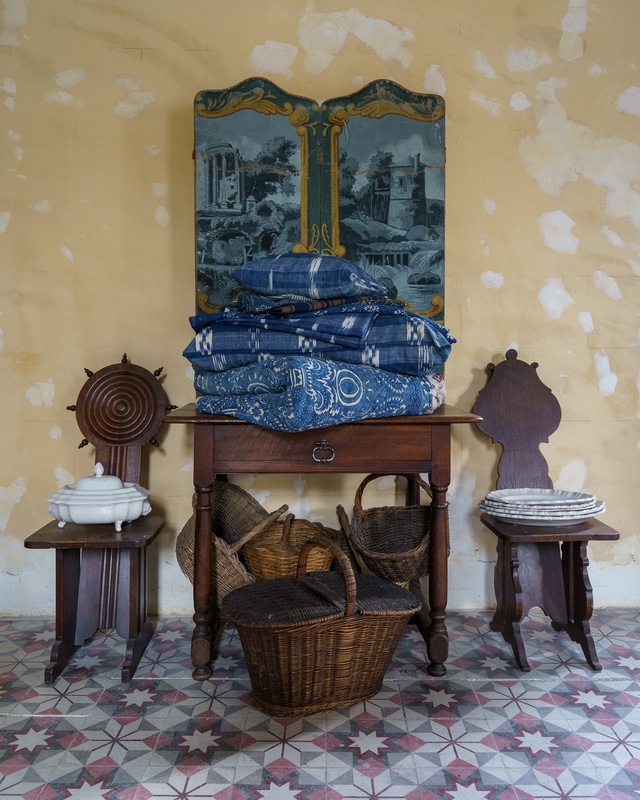
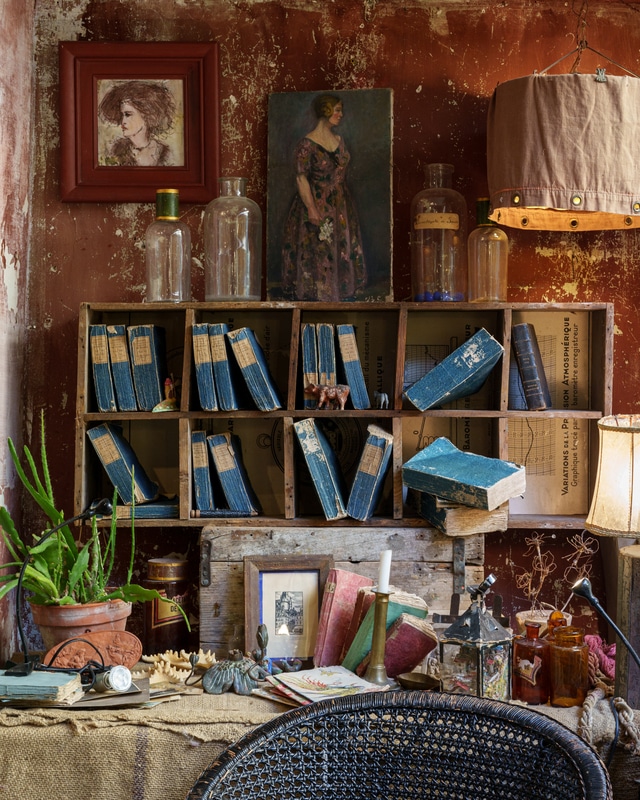
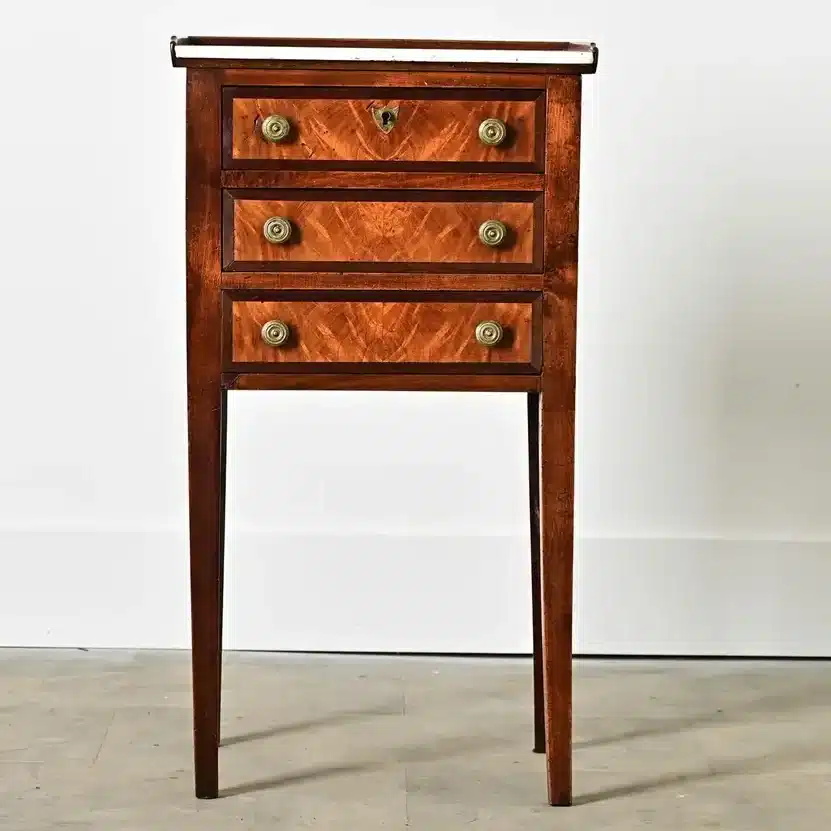
Furniture from the 17th, 18th and 19th centuries is one of the most rewarding finds at French markets. From sturdy cupboards that once graced farmhouse kitchens to slim-legged tables and elegantly inlayed armoires, there really is so much that can beautify interiors today.
To help navigate the different styles, it’s a good idea to brush up on France’s different design periods before heading out. Régence and Louis XV furniture, for example, can be identified by their soft curves and cabriole legs. Pieces from the Louis XVI period, however, favor straighter lines and neoclassical details such as fluting and carved garlands. For early 19th century furniture, look out for Directoire and Empire styles, which feature strong classical forms and dark woods like mahogany, often with brass accents. Looking closely at these details — the curve of a leg, the wood veneer, original hardware — will help you to determine a piece’s age and imagine how it might live in your own space.
3. Refined Porcelain and Faience
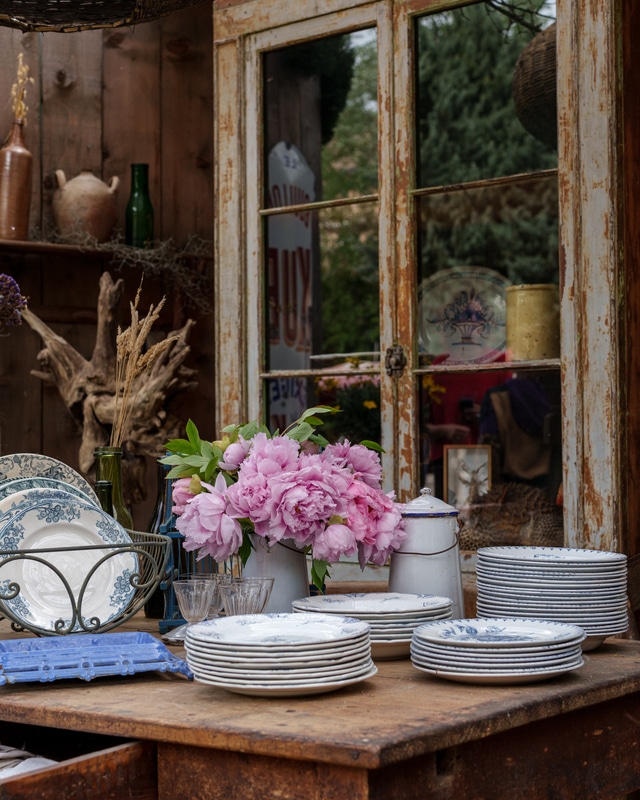
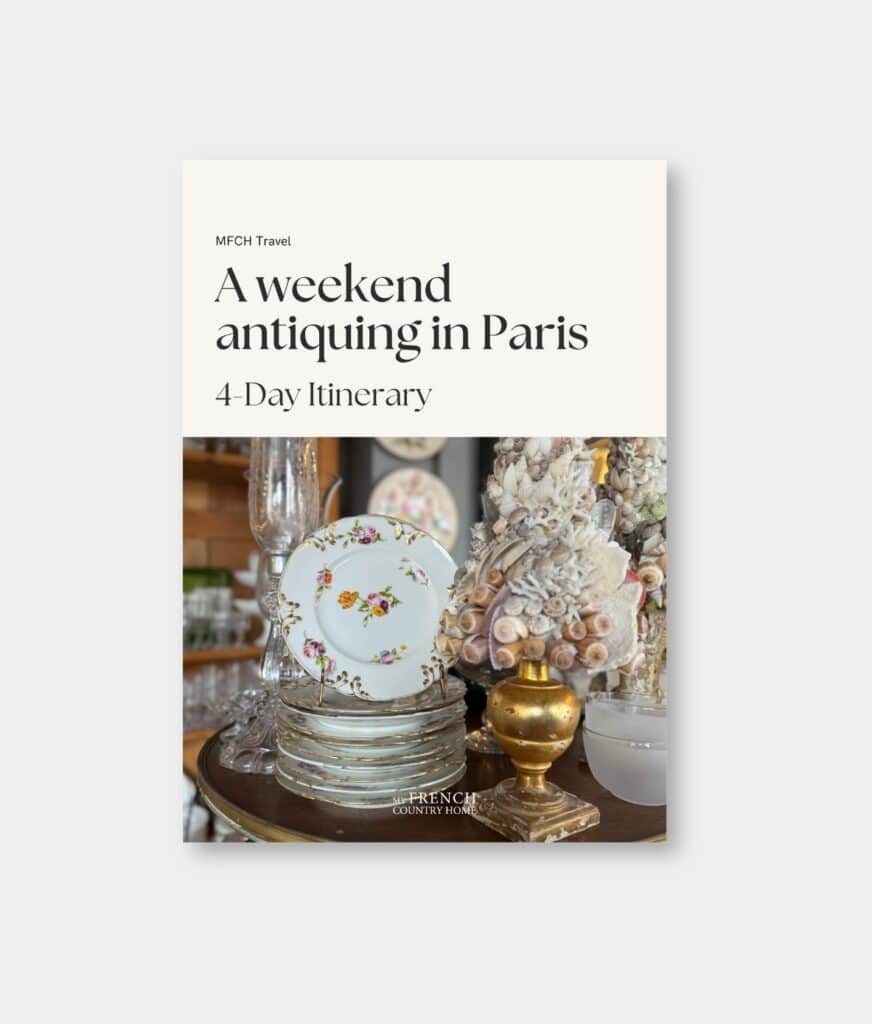
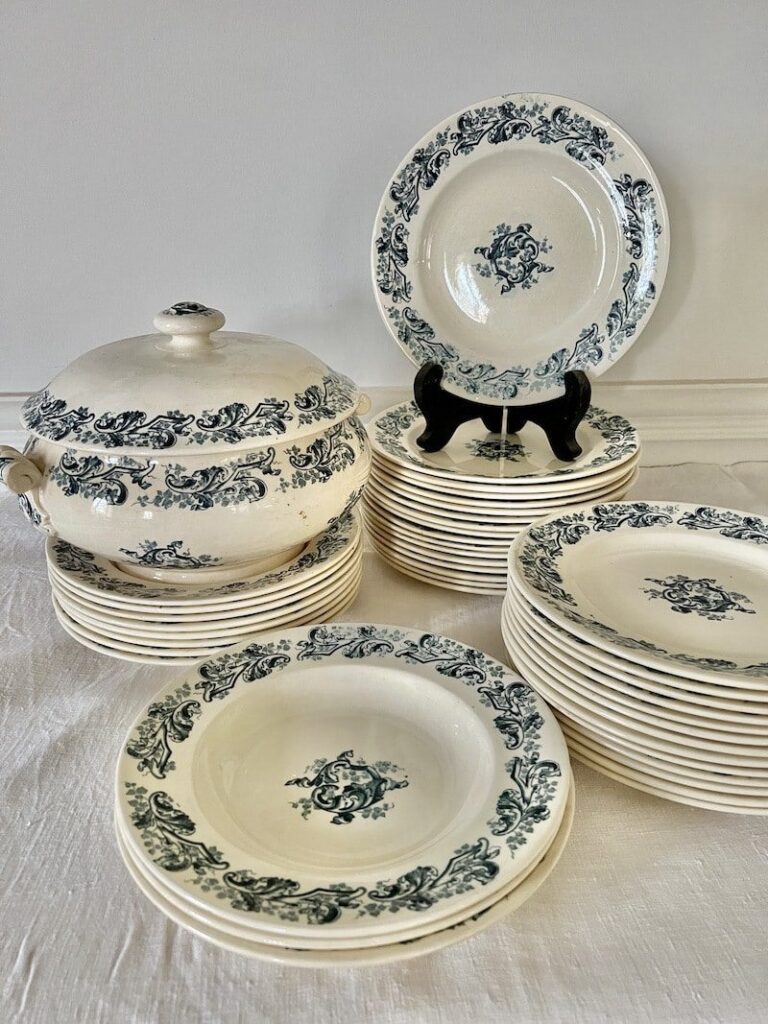
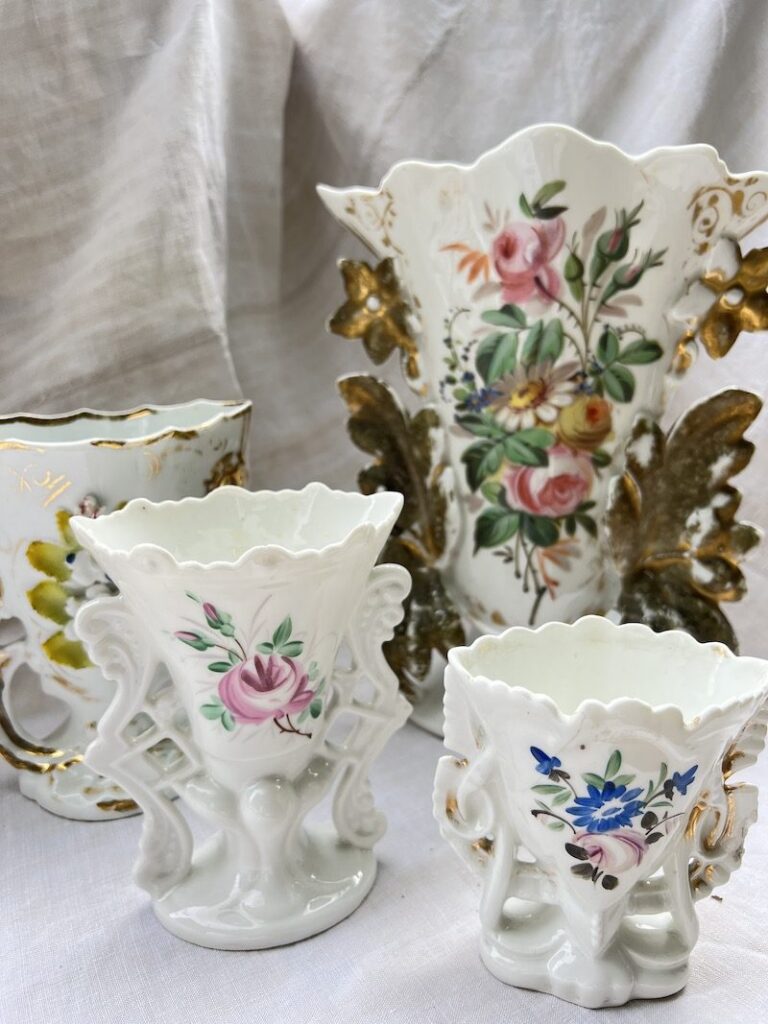
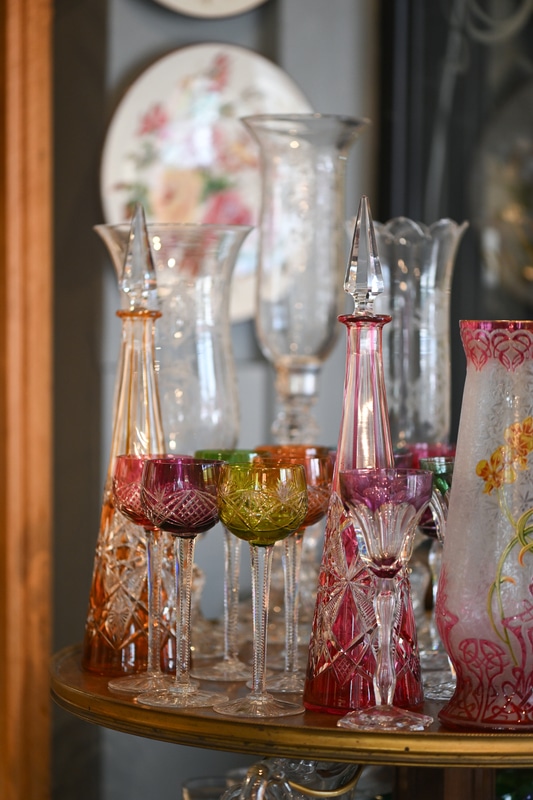
One of the most sought after items in French antiques markets is refined ceramics. Porcelain, known for its smooth surface and pale translucency, is particularly prized, with the country having a long history of producing both hard-paste porcelain and soft-paste versions. While the former is more durable, the latter — which was developed to imitate Asian designs — tend to feel slightly warmer and more delicate in the hand.
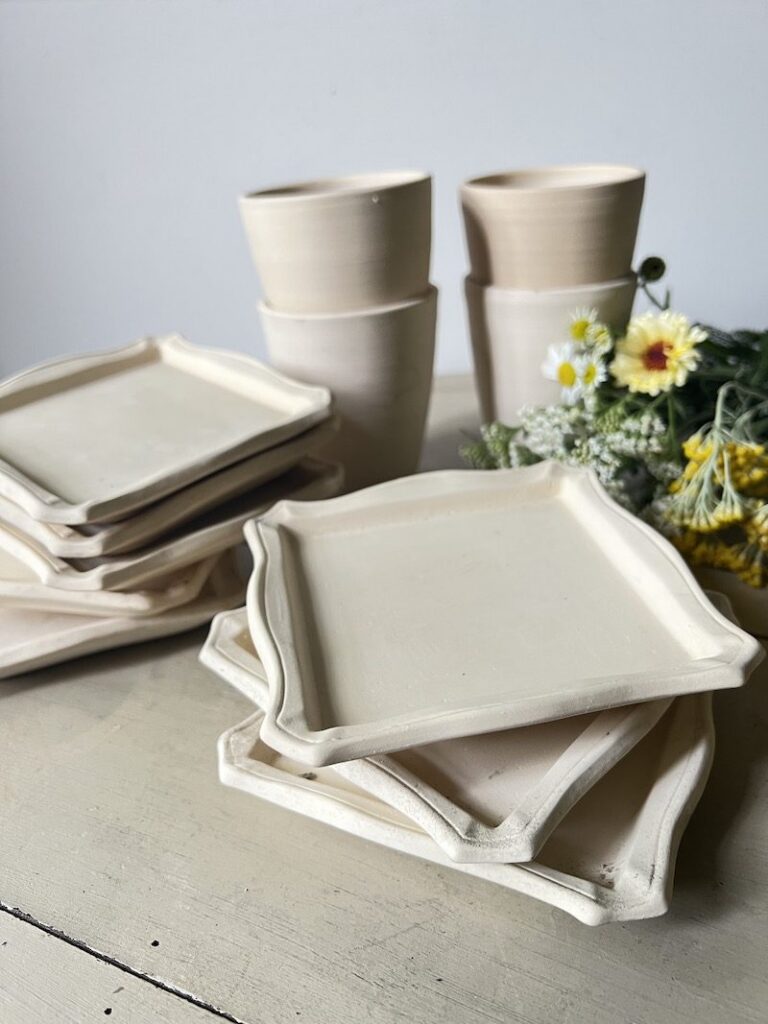
You will also encounter faïence on your French antiquing adventures. This is a tin-glazed earthenware with a bright white surface designed to mimic porcelain. Though more fragile, it allowed for detailed painted decoration. Regional styles are easy to spot: pieces from Quimper often show Breton figures in traditional dress in blues, yellows and greens, while Rouen faïence is known for dense floral scrolls and acanthus leaves painted across heavier plates and platters.
4. Provençal Pottery
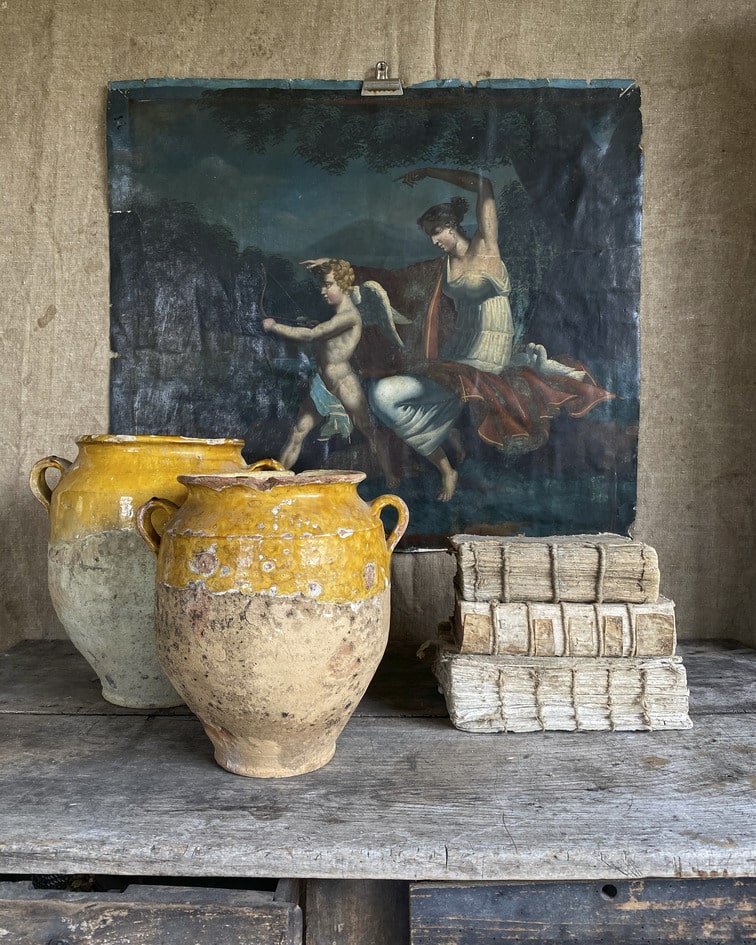
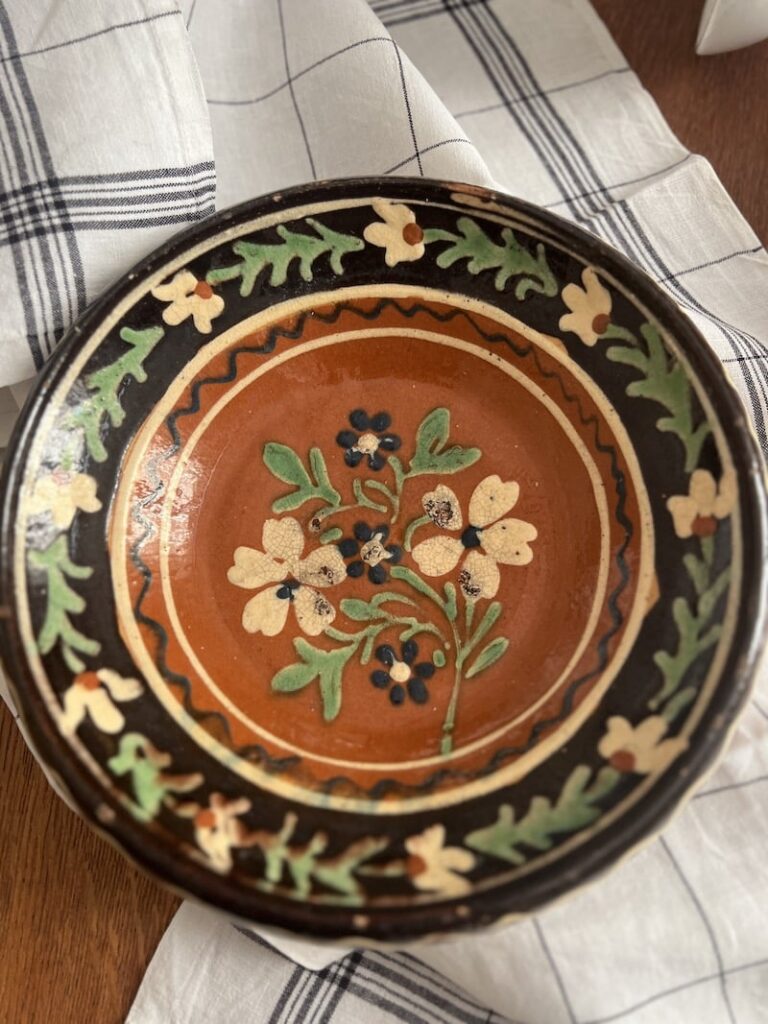
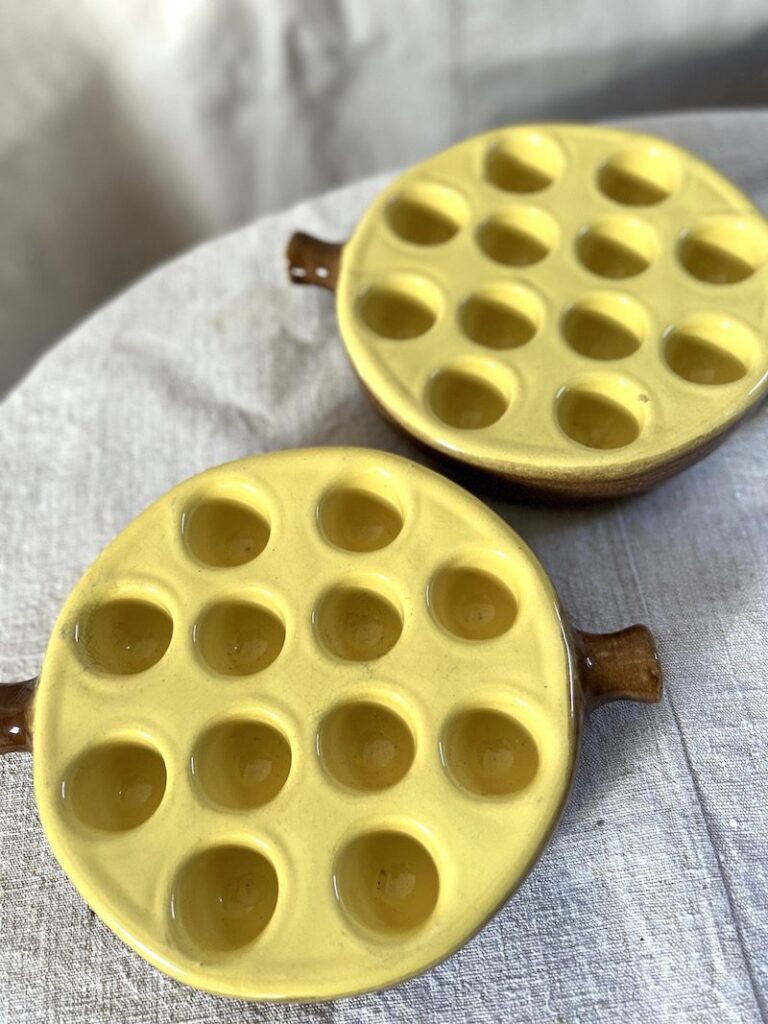
Alongside refined porcelain, more rustic pottery from the south also demands attention. Made for everyday use in provincial kitchens, these pieces tend to be heavier and earthier in character, glazed in warm tones of olive green, honey, ochre, or deep brown. Bowls, jugs and serving dishes were practical objects first, yet their colours and simple forms bring warmth and informality to a table or kitchen shelf today.
Among the most recognisable are jarres à confit, large earthenware storage jars once used to preserve meat in fat. Usually glazed only on the upper half, they feature thick rims and sturdy side handles, often in yellow or olive tones. Most surviving examples date from the late 19th century and are now sought after as sculptural kitchen vessels or garden planters.
5. Chandeliers and Mirrors
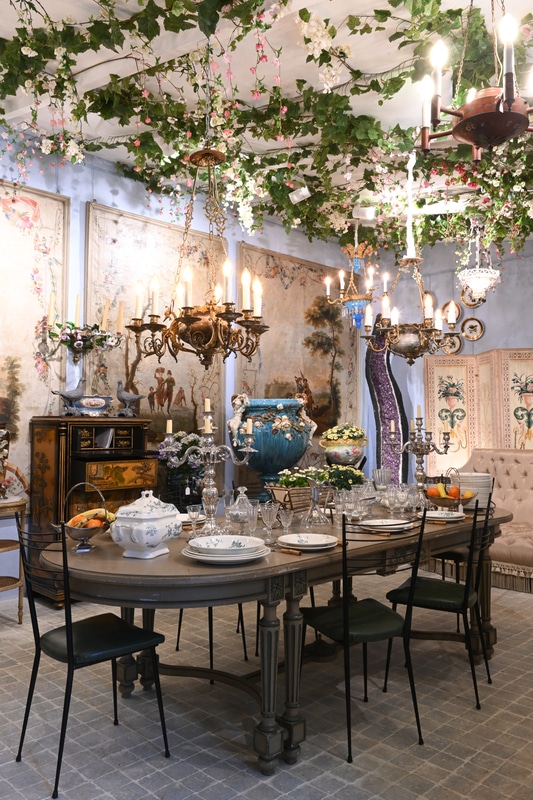
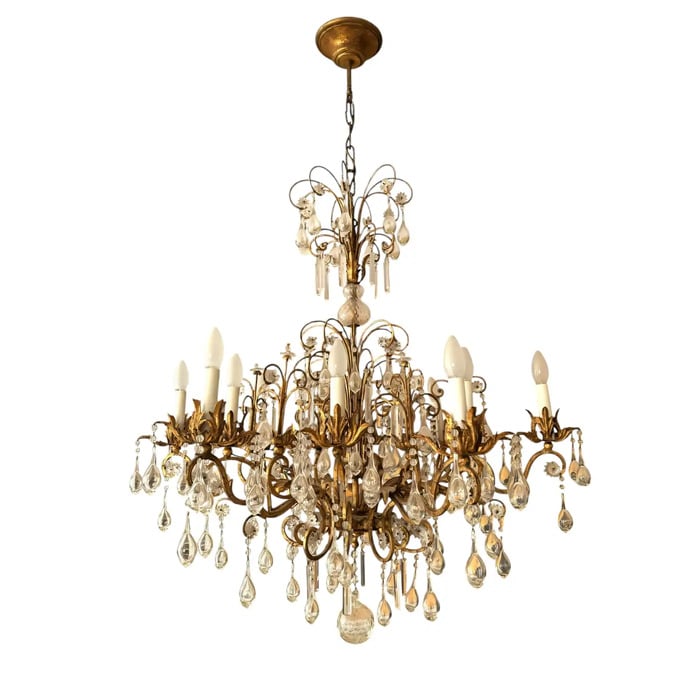
While mirrors and chandeliers are rarer finds at French markets, but you’ll often find exquisite examples in brocante shops and antiques boutiques, stacked against walls or hanging from hooks in full display. Crystal chandeliers remain especially sought after for the way their faceted pendants catch and scatter light. When buying, check that the drops are genuine crystal rather than pressed glass — crystal tends to feel heavier, with sharper cuts and greater clarity. It’s also wise to inspect the metal frame and wiring, as many pieces will need rewiring to meet modern electrical standards.
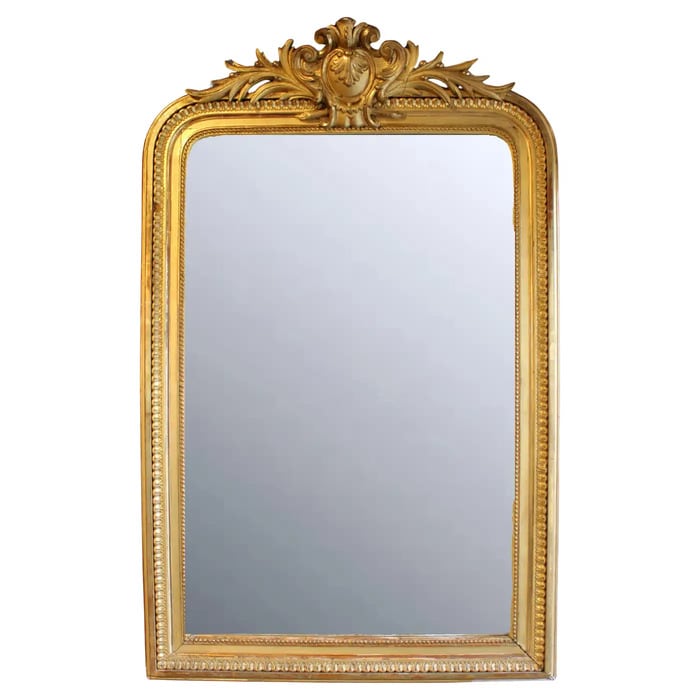
Antique mirrors are equally rewarding to hunt for. 18th century mirrors are hard to find, but 19th century pieces appear frequently. When choosing one, look closely at the condition of the glass and backing, as age can bring light foxing or dark spots — details many collectors see as desirable patina.
6. 19th Century French Paintings
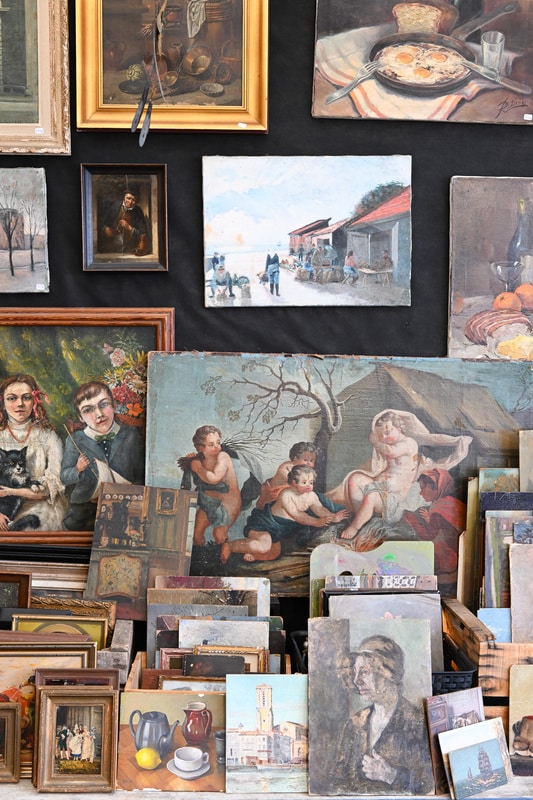
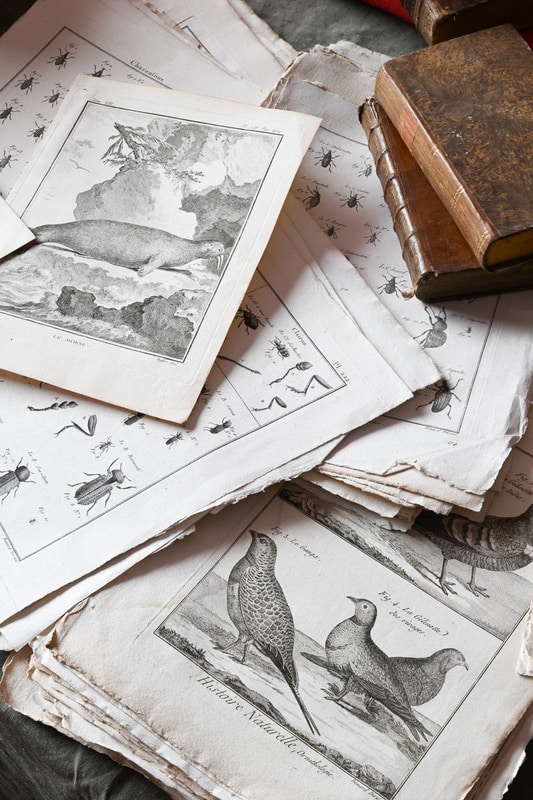
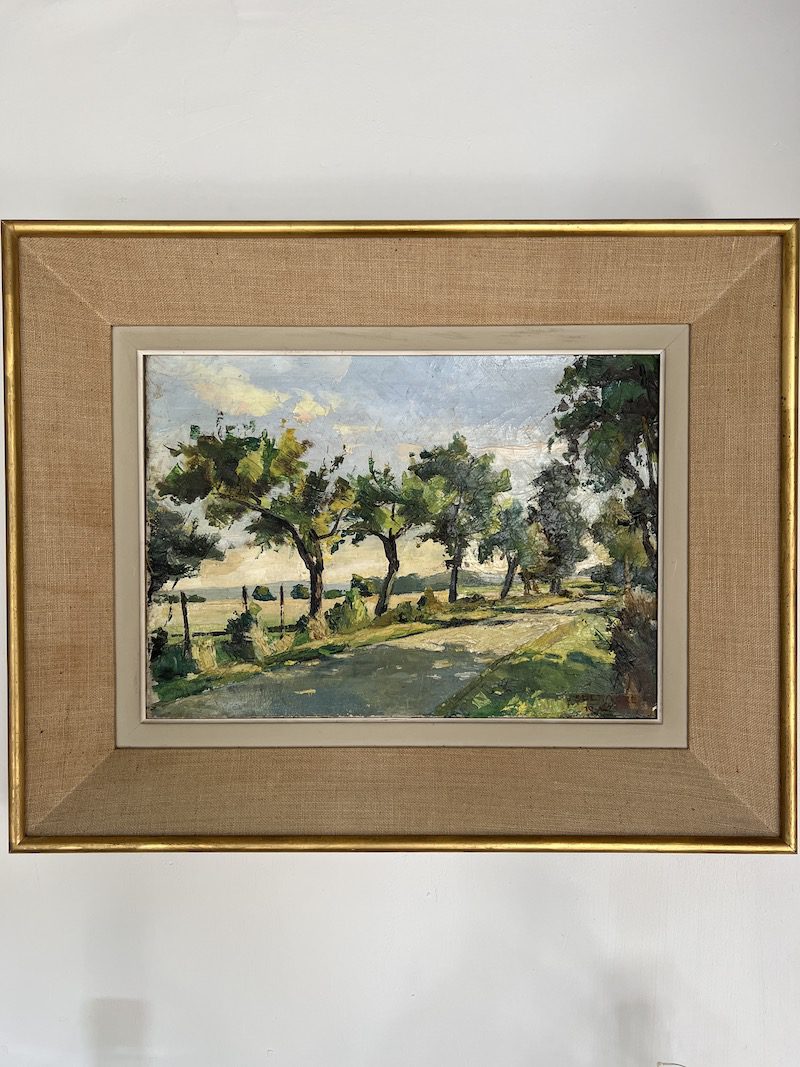
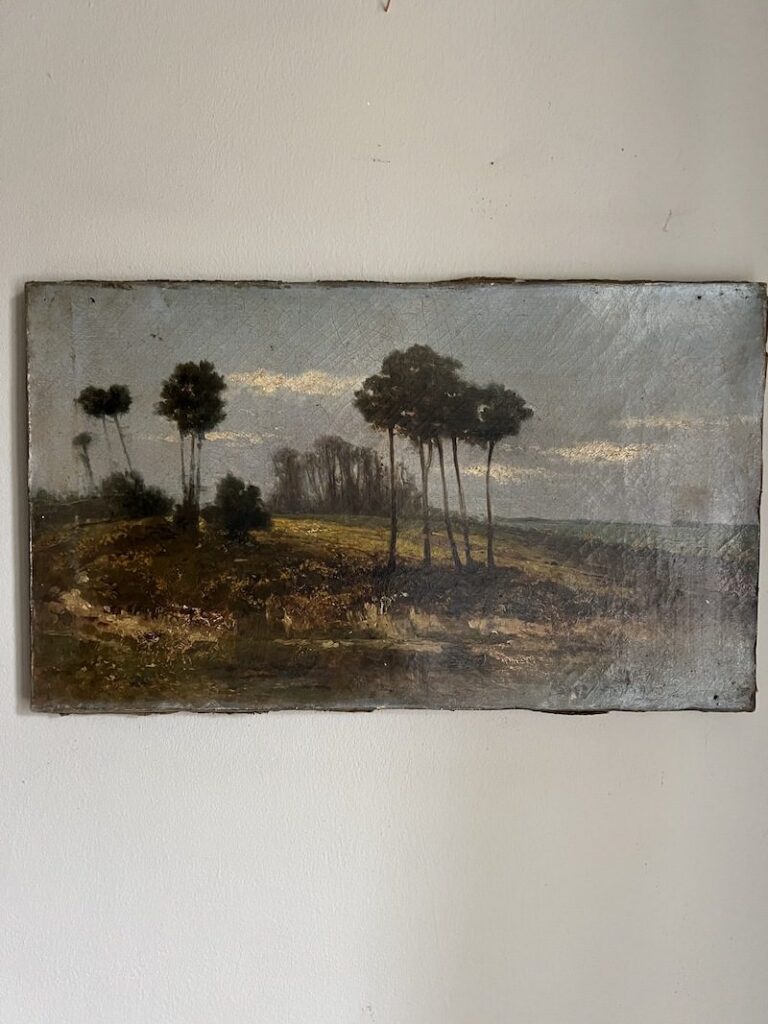
Last, but not least, paintings. Found stacked in crates or leaning in rows against a dealer’s stall, antique paintings are especially abundant. From oil landscapes of rural scenes and village streets painted en plein air, to expressive still lifes, refined portraits and coastal views, there’s something to suit every taste.
Getting to know a few key painting movements can help guide the search. Earlier works may reflect the balanced of Neoclassicism or the heightened emotion of Romanticism, while later 19th century painters move toward the looser brushwork and everyday subjects of Realism and Impressionism. Landscapes influenced by the Barbizon School are especially prized. Soft and naturalistic, they depict forests and fields. With a little patience, you’ll come to find what resonates with you most, making it easy to bring artworks together and create a collection filled with character and layered with history.