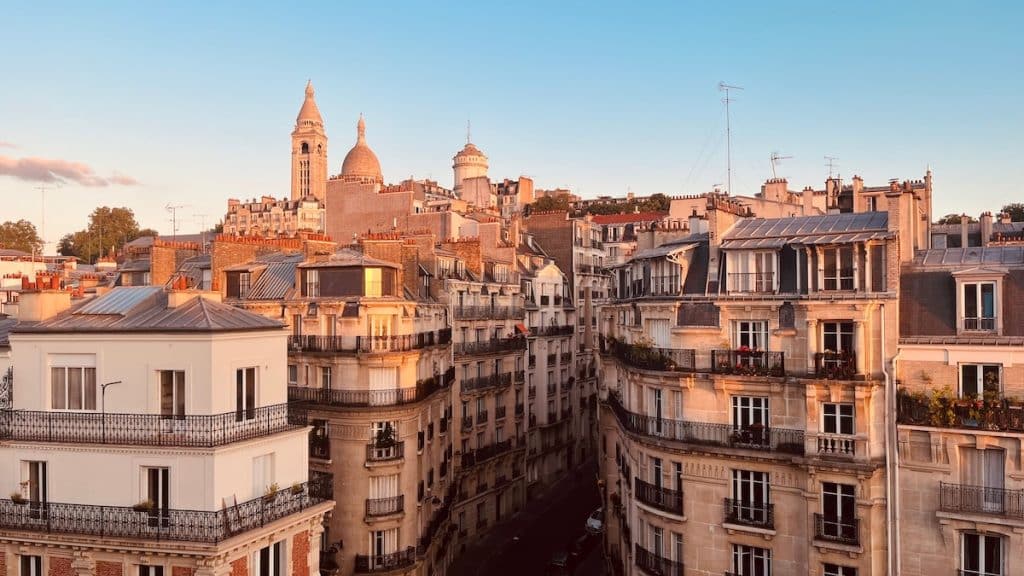
For anyone who has ever fantasized about making a life in Paris, these are the classic features that make the heart beat faster.
Aficionados of classic Haussmannian apartment design know it as the holy trinity: the warm glow of old oak floors (parquet), ceilings adorned with delicate plasterwork (moulures) and the pièce de la resistance — a marble fireplace (cheminée) standing proudly at the center of the living room.
When the Parisian winter sets in, it’s hard to resist the charm of a traditional fireplace, a symbol of a certain art de vivre — elegant, intimate and gloriously old-fashioned. The idea that one might return home on a crisp evening, pour a glass of wine and curl up next to a crackling fire can be irresistible.
Beyond its practical purpose, a fire transforms a room — casting shadows across plasterwork, illuminating the veining of marble, and introducing movement through flickering flames. Yet, like so many Parisian traditions, the fireplace has had to adapt to the modern world.
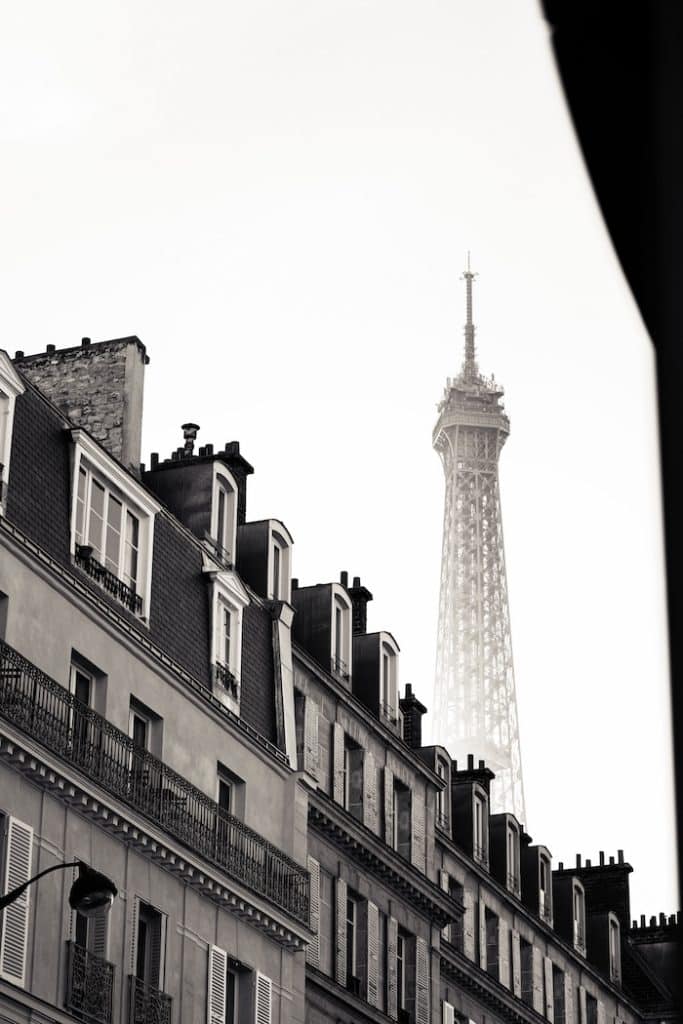
During Baron Haussmann’s sweeping transformation of Paris from 1840 to 1870, newly built apartments were designed to combine grandeur with modern comfort. At that time, and well into the early 20th century, fireplaces were essential for living in the City of Light during the winter months. A carved stone fireplace was a marker of social standing and also served as the focal point of the home — around which guests were received and conversations unfolded.
But with the gradual shift toward coal, gas and eventually electric heating, these elegant marble mantels gradually lost their practical purpose. What was once considered an essential amenity became, for some, an anachronism. Many fireplaces were ripped out or covered over in the name of progress — only to become highly desirable again decades later. Today, most Parisian cheminées that remain have been sealed or rendered purely decorative.
The Chimneys that Work
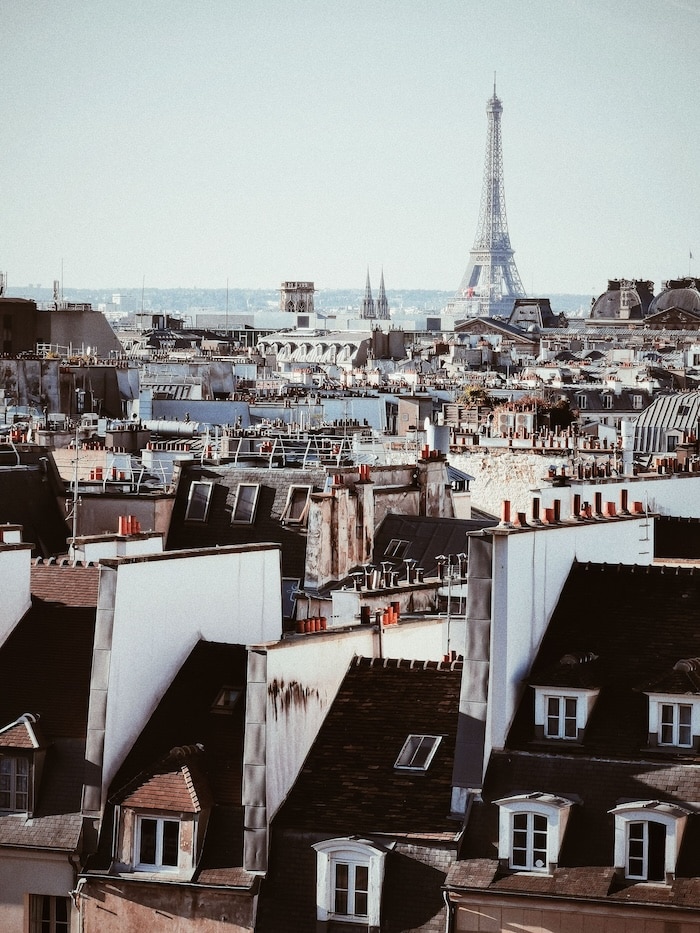
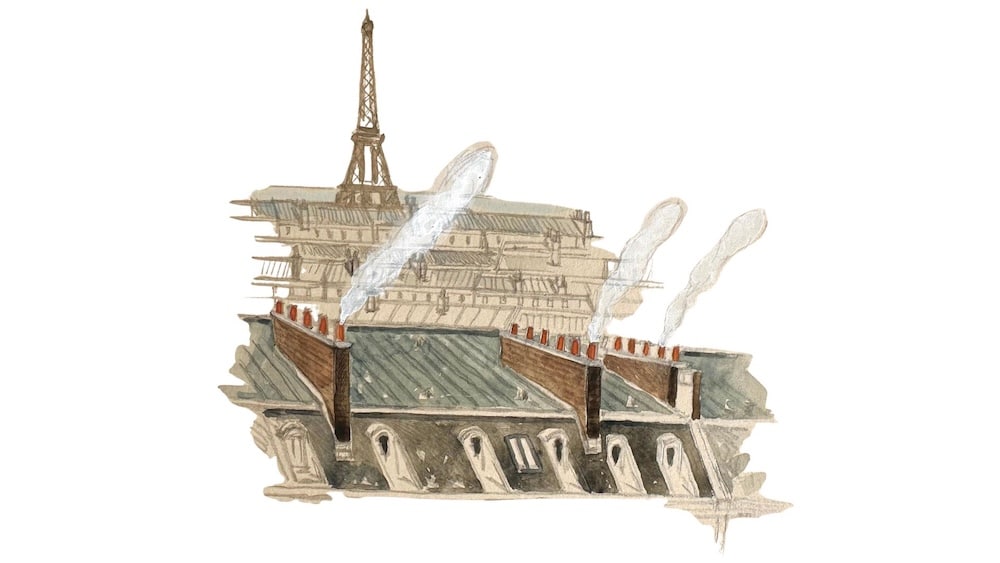
That said, stroll through almost any Paris neighborhood between November and February and you’re likely catch a whiff of wood smoke — proof that plenty of working fireplaces still exist. Whether you’re legally allowed to light it depends on a number of factors, however.
If the flue is still connected, a traditional open fireplace — known as a cheminée à foyer ouvert — may still be used occasionally for pleasure, and it’s still common to find bundles of kindling and cut logs for sale at neighborhood grocery stores. What is no longer permitted is relying on a wood fire as a primary source of heating. The restrictions reflect a broader effort to improve air quality in the French capital, where even small sources of smoke can contribute measurably to pollution levels.
The Legacy of the Paris Chimneys
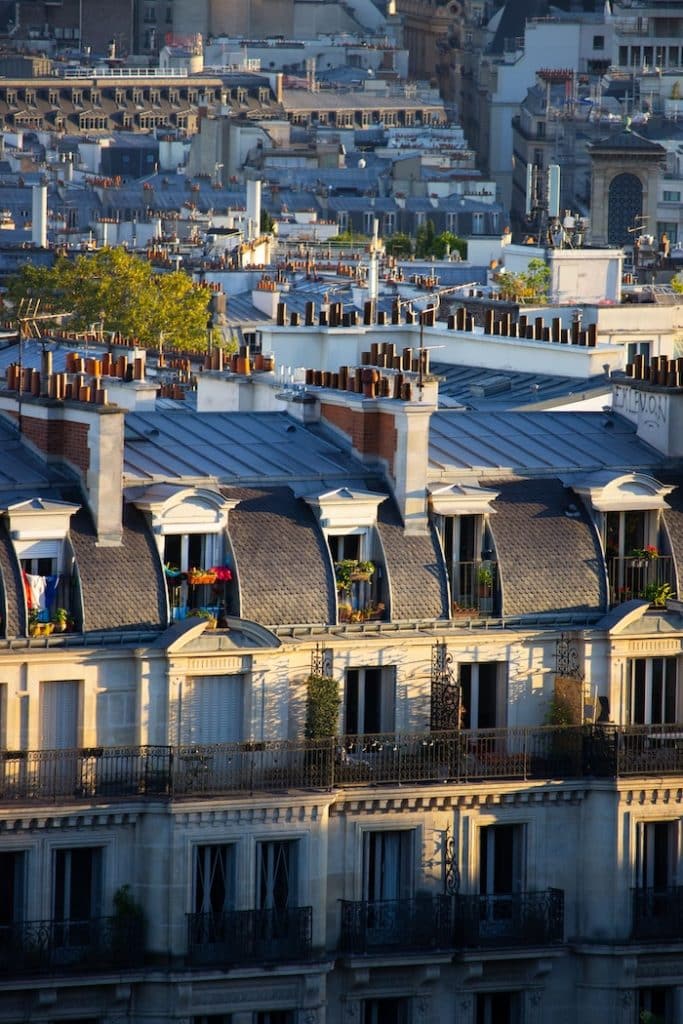
No one knows exactly how many fireplaces still burn in Paris — the city stopped counting decades ago. What is certain is that thousands of vestigial hearths remain, an homage to the era of stately bourgeois apartments that defined the city from the Second Empire until the First World War.
Perhaps the spell of the cheminée endures because it represents something more than warmth, evoking evenings gathered with loved ones, the pleasure of beautiful design, and the idea that a home can have a soul. In a city where so much has changed, the fireplace remains a tangible link to the past — a small, flickering reminder that some traditions are worth preserving.
Want more stories like this?
CLICK HERE to subscribe to the magazine to see all of our articles on French culture, interiors, artisans, and more. CLICK HERE to preview the November/December magazine that features this article by Nicola Clark with illustrations by Céline Chollet.
Don’t be alarmed, we do not use or store your information. We are a French site and this is simply a regulation for the European Union to let you know that this website uses cookies to improve your user experience. By using our website you consent to all cookies in accordance with our Cookie Policy. Read More