**This article is a direct feature from the May/June 2026 Issue of My French Country Home Magazine written by Nicola Clark. To see more articles like this, be sure to subscribe to the magazine**
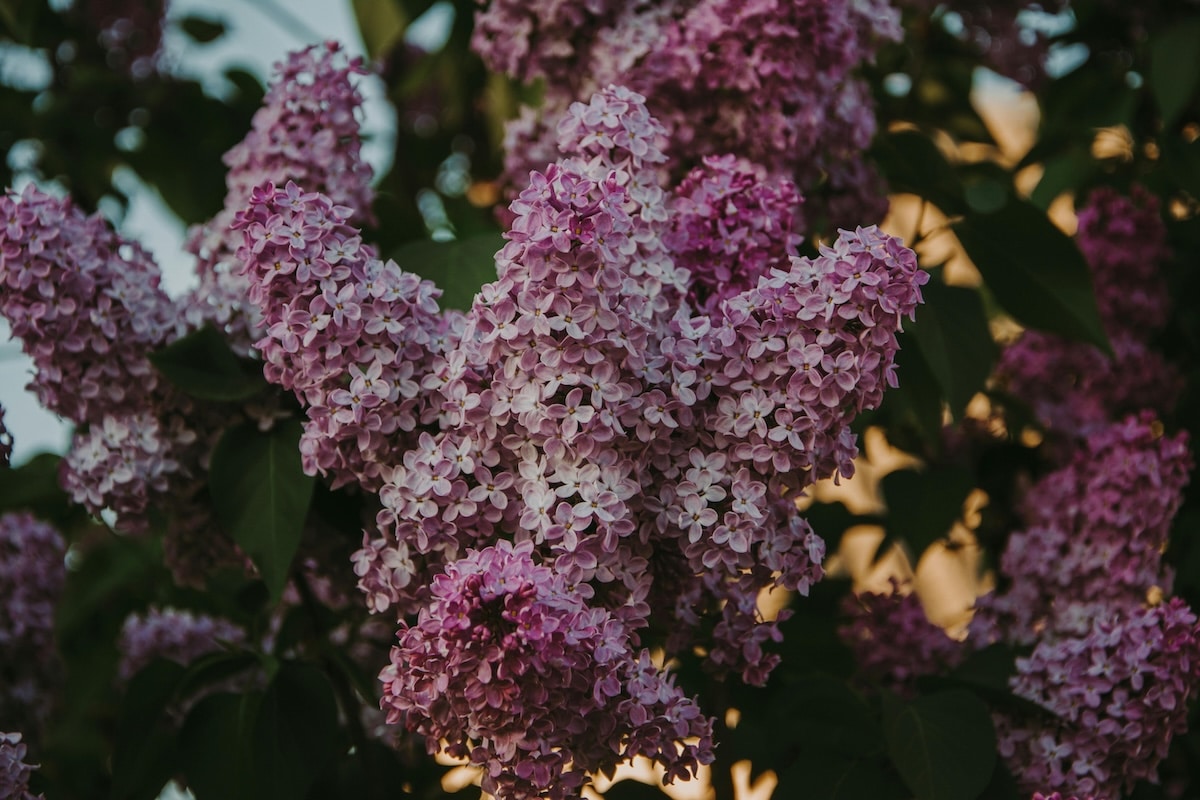
Sometimes beauty emerges from the bleakest moments. In 1870, as Prussian troops marched into northeastern France, a botanist from Nancy made a choice: Rather than surrender to despair, he retreated into his nursery to begin an ambitious experiment. His unlikely muse was the humble lilac.
Victor Lemoine was already a respected horticulturalist. Born in 1823, he came from a long line of gardeners: both his father and grandfather managed the gardens of some of the grandest estates in Lorraine. After university, Victor traveled widely across Europe, apprenticing at leading pépinières (nurseries) and absorbing techniques he would later refine and surpass.
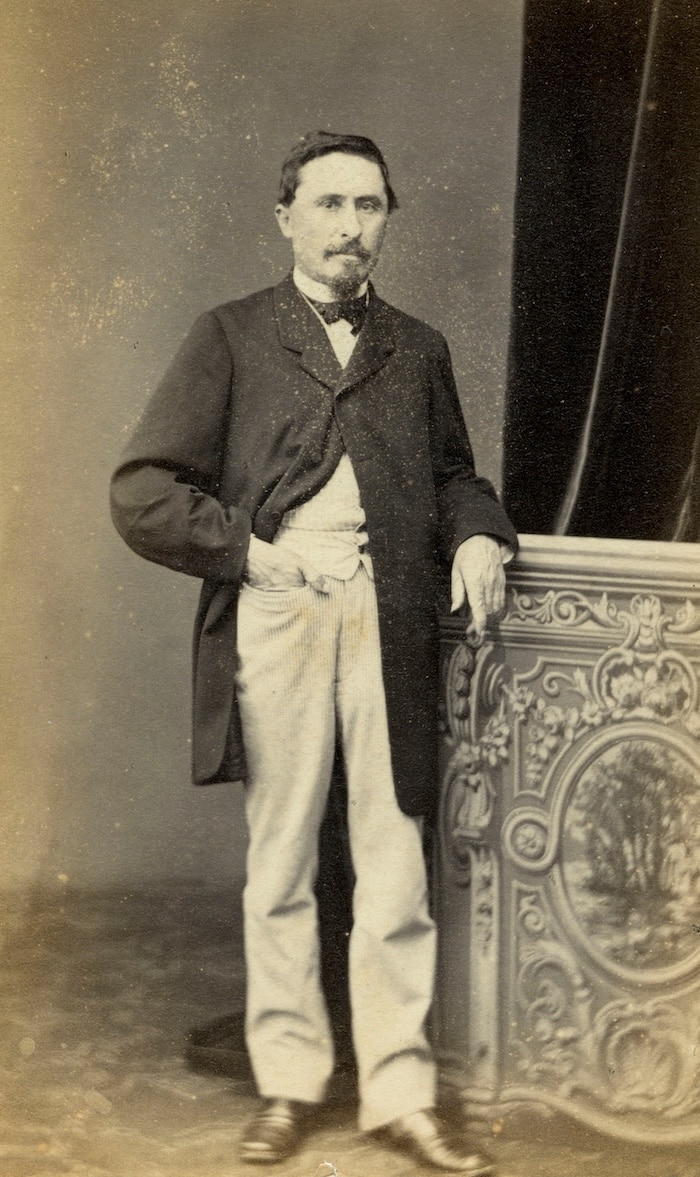
By 1849, he had settled in Nancy, where the city’s booming textile industry had created a prosperous class eager to fill their private gardens with rare blooms and ornamental plants.
The Science Behind the Lilac
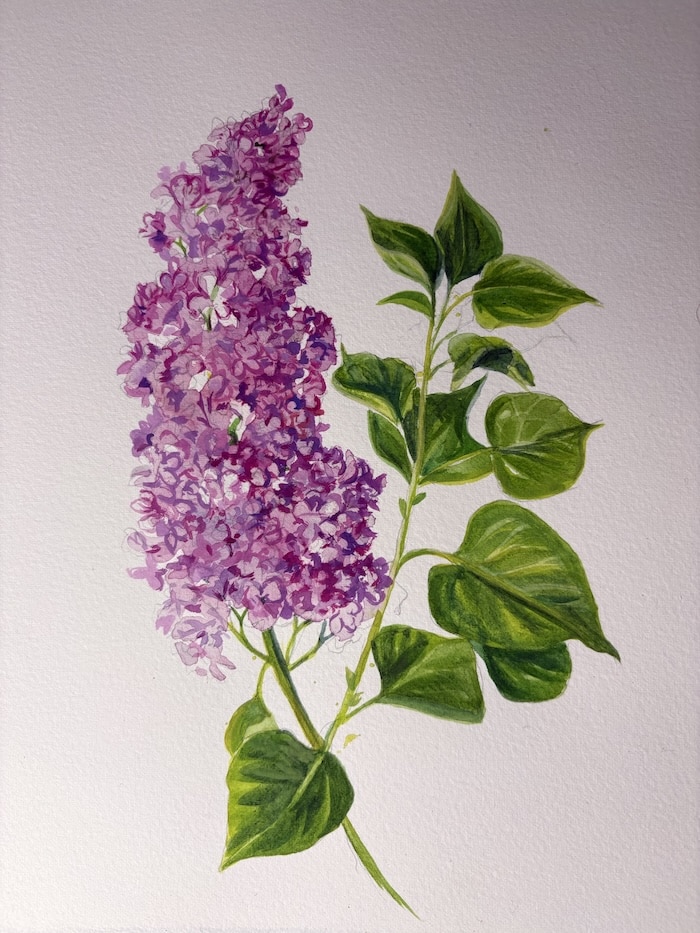
Victor was fascinated by plant genetics, particularly the art and science of hybridization — selecting and crossbreeding flowers to create entirely new varieties. The work demanded extraordinary precision. Pollen had to be lifted from the anther of one flower and delicately brushed onto the stigma of another, a process requiring steady hands, patience, and no small measure of luck. Even then, the chances of producing a viable hybrid seed were usually extremely small.
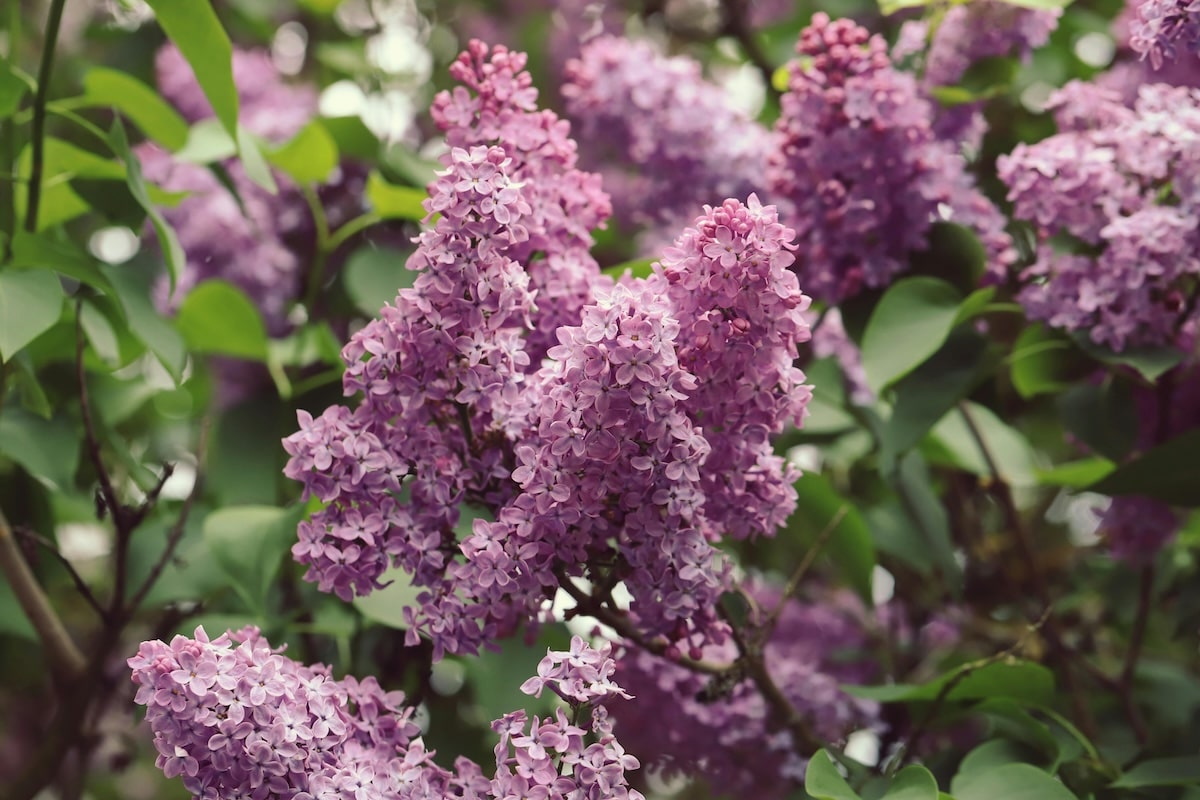
By this point, Victor had already earned a reputation for innovation, with several commercially successful introductions to his credit, including the first double-flowered geranium and a widely admired double tuberous begonia. Yet it was the lilac, or lilas, that would ultimately capture his imagination — and define his legacy.
Victor’s work began with an unremarkable Belgian cultivar called Azurea Plena, a bluish, double-flowered lilac that he had growing in his own garden. His idea was to hybridize it with a more common single-flowered variety originally from southeastern Europe. The work was particularly complex, made more challenging by the fact that Victor, at 46 years old, was losing his eyesight and had developed a hand tremor.
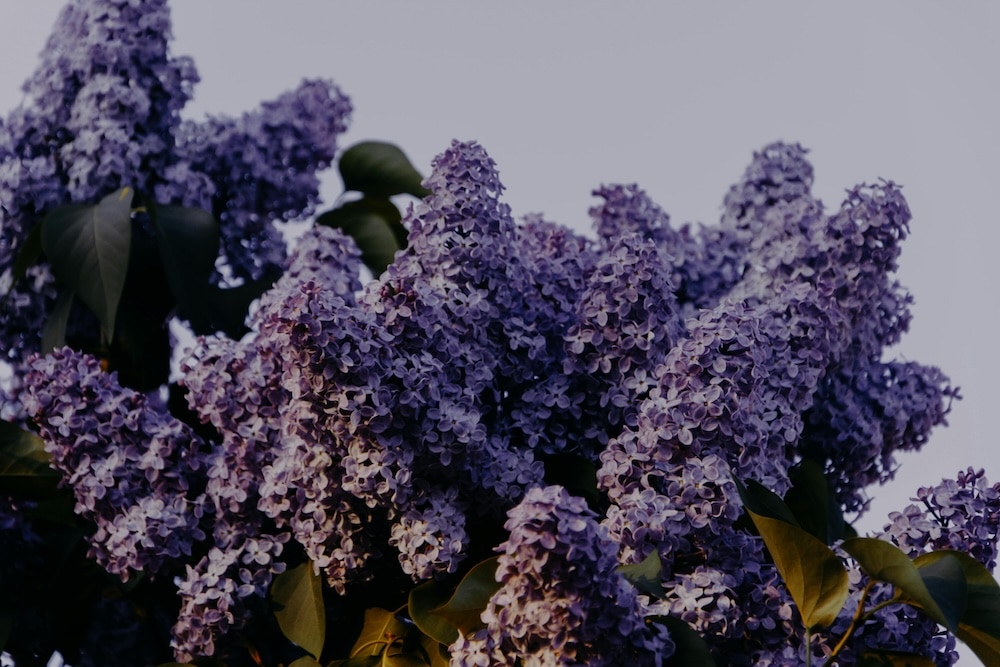
Enter his loving wife, Marie-Louise, who took over the painstaking work of pollination, using tweezers and a fine paintbrush to transfer pollen between the tiny flowers. Together, the couple along with their eldest son, Émile, attempted more than 100 crosses using pollen from 30 different lilac varieties. From that first effort came just seven viable seeds, followed by 30 the following year — small but meaningful victories amid the deprivations of the war and France’s humiliating defeat to Prussia in 1871.
The Resulting Flowers
The family’s perseverance was eventually rewarded. Five years later, in 1876, three hybrid seedlings finally bloomed. One stood apart: a cross between the common European lilac and a Chinese species, Syringa oblata, with an exquisite blue hue, heady fragrance and early bloom time. Released commercially in 1878, it became the foundation of what we now call “French Hybrid” lilacs — modern varieties prized for their large, often double flowers and intense perfume.
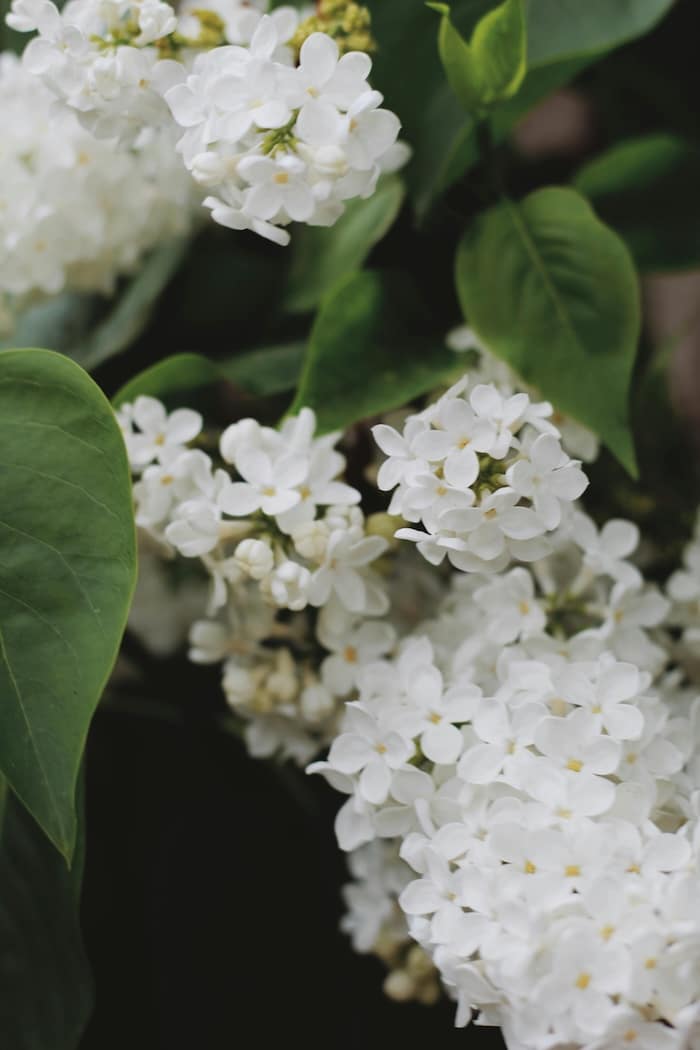
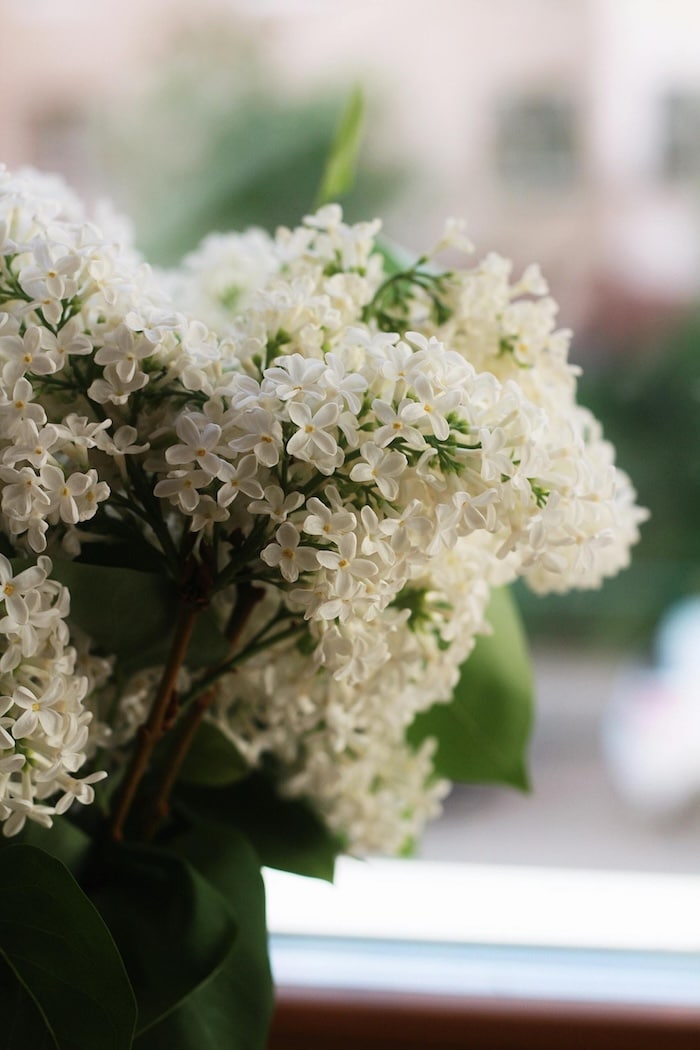
With Émile’s help, Victor’s most famous creation arrived in 1890: a luminous double white lilac named Madame Lemoine in honor of Marie-Louise. It was more than a cultivar: it was a living tribute, destined to flower in gardens across France and beyond for generations.
The Lemoine Legacy
The Lemoine family’s achievements were remarkable. Over three generations, their nursery produced more than 200 lilac varieties. Between 1878 and 1900 alone, 67 new cultivars were introduced. Victor worked until his death in 1911 at the age of 88, though in later years much of the breeding was carried out by Marie-Louise and Émile, with Victor’s celebrated name still attached. Victor’s grandson, Henri, would later continue the family’s legacy.
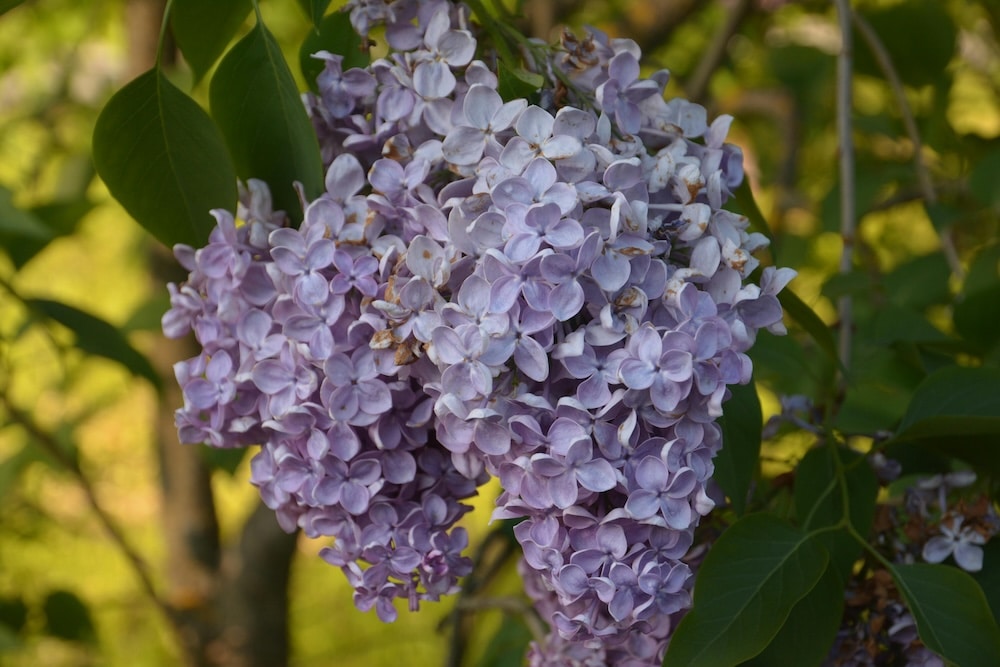
Today, white lilacs are associated with innocence and purity, while mauve varieties symbolize new love. Their fragrance — sometimes sweet and airy, sometimes green and rosy, occasionally touched with anise and soft powder — remains unmistakable. Each spring, it carries with it the story of a family who transformed wartime fear and sorrow into lasting beauty.
Victor Lemoine’s inspiring story endures as a reminder that creativity and love can take root even in dark times — and that some of the world’s most beloved gardens owe their existence to hope.