**This article is a direct feature from the March/April 2026 Issue of My French Country Home magazine written by Madeleine Piggott. To see more articles like this, be sure to subscribe to the magazine**
In the magazine, we have shown our readers many Jardins Remarquables (“Remarkable Gardens”) over the years, from formal château grounds to botanical parks and patiently honed private plots. But what does this classification really mean, and why are certain gardens awarded the distinction while others are not?
France’s garden landscape is impressively diverse, yet you may have noticed that only some are officially recognized as Jardins Remarquables. Since 2004, the French Ministry of Culture has used the Jardin Remarquable label to identify, protect and promote the country’s most compelling gardens and to encourage public access to them.
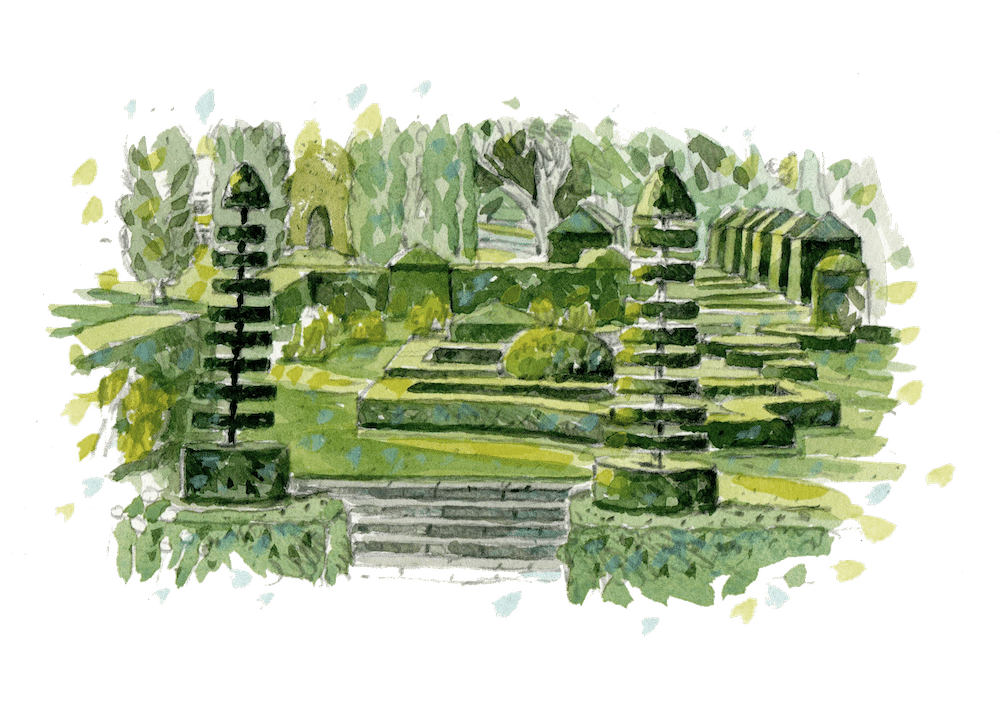
Reserved for spaces that meet the highest level of quality, design and maintenance, these gardens are not just beautiful — they are considered culturally significant. Today, more than 450 gardens across France benefit from the label. Some are large parks, others intimate residential gardens. Some are historic, while others are contemporary. Yet all are united in quality — and all are open to the public.
How Gardens Earn the Label
Awarded for a renewable five-year period, the label is active rather than honorary. The criteria are exacting, and gardens are assessed, revisited and may lose their status if standards slip. These include the organization of space, the quality of the surrounding landscape and the presence of notable features such as water, architectural structures or distinctive planting. Botanical interest and, where applicable, historical relevance are also carefully evaluated, as is the visitor experience.
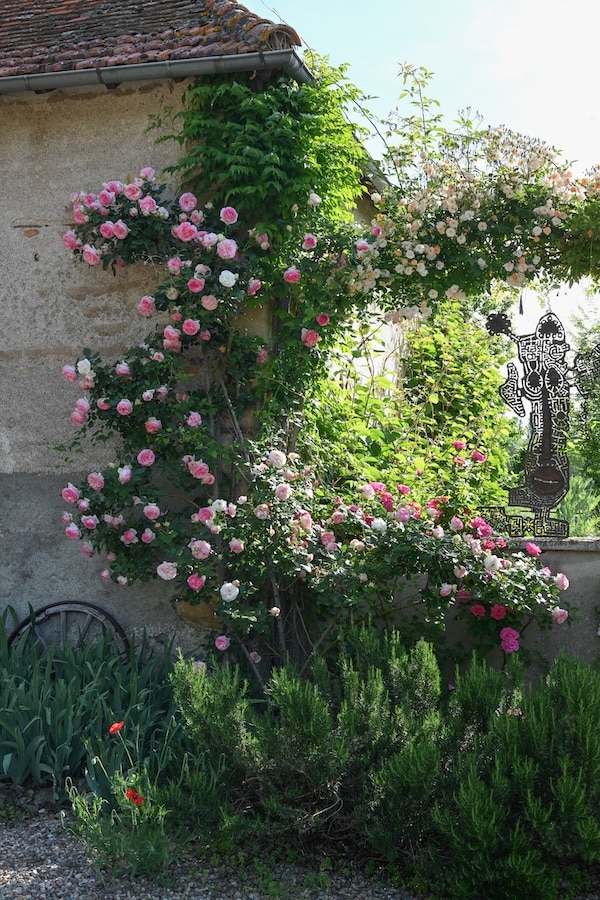
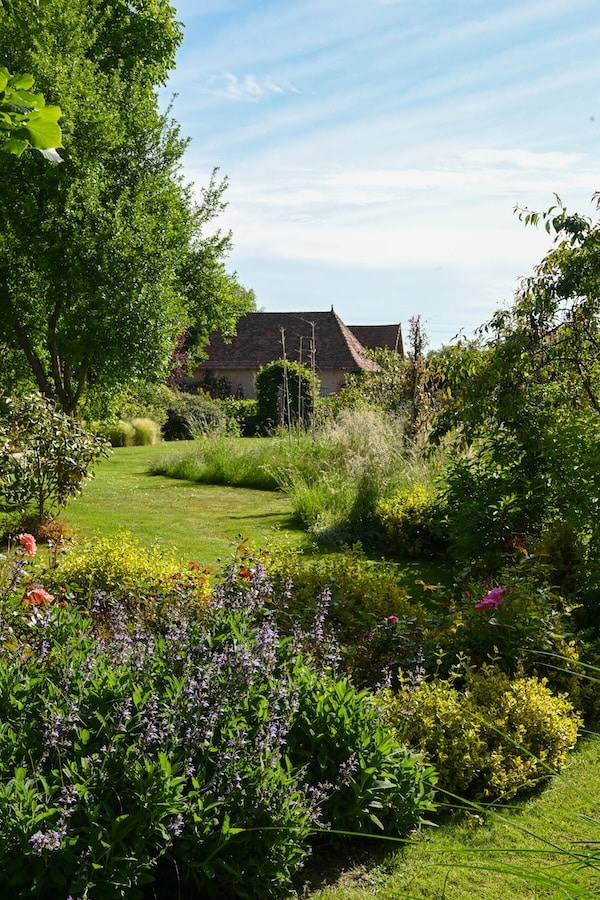
In addition, owners must commit to opening their gardens to the public for at least 40 days a year, for six hours a day, and to taking part in national cultural events such as Rendez-vous aux Jardins, an annual festival held in early June, when guests are permitted free access to gardens across the country.
Although the application process itself is demanding, the label brings many benefits and national recognition. Awarded gardens are included in Ministry of Culture communications, considered within local urban planning frameworks and positioned within a wider national conversation around heritage, land use and sustainable stewardship.
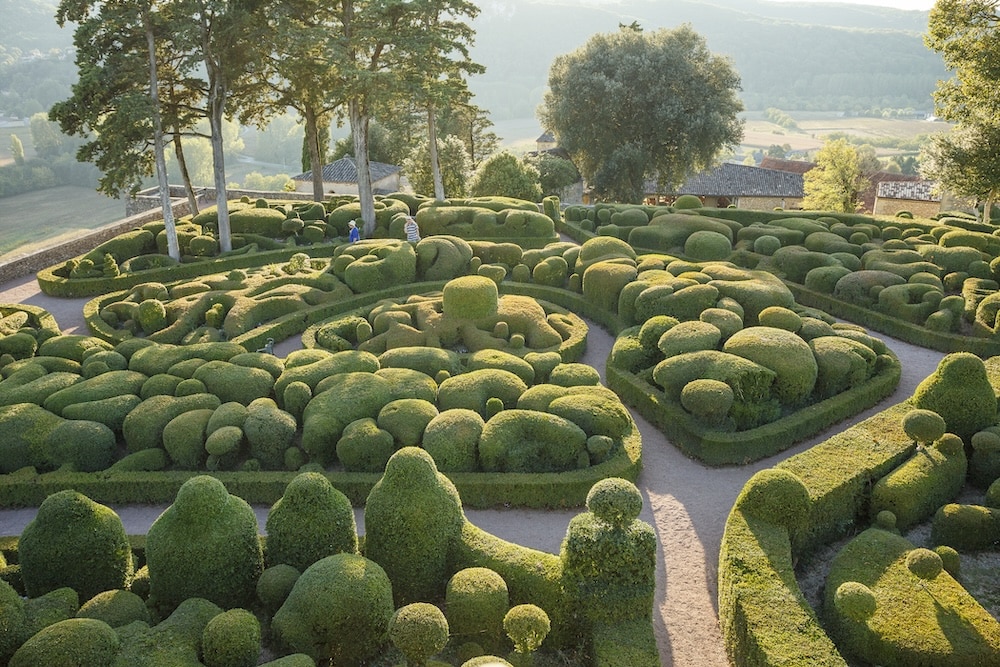
Jardins Remarquables Gardens We’ve Featured
Many remarkable gardens, particularly in the south of France, will be familiar to MFCH readers: the Jardin Exotique d’Èze, for example, with its sculptural succulents and vast Mediterranean views, or the Jardin de la Villa Fort France layered with roses, olive trees and aromatics.
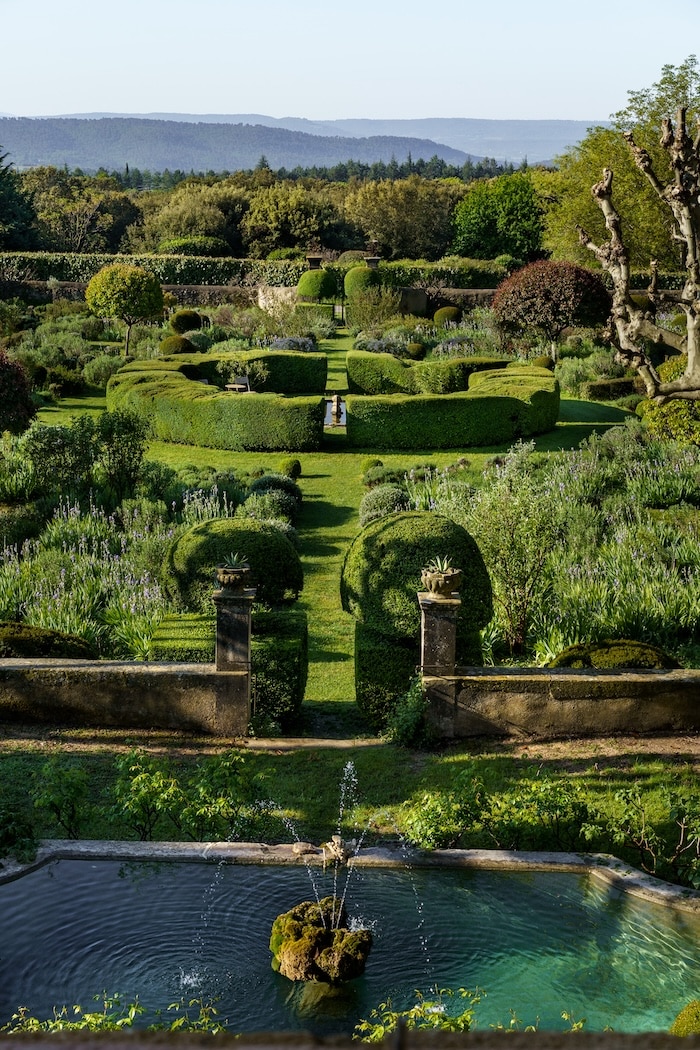
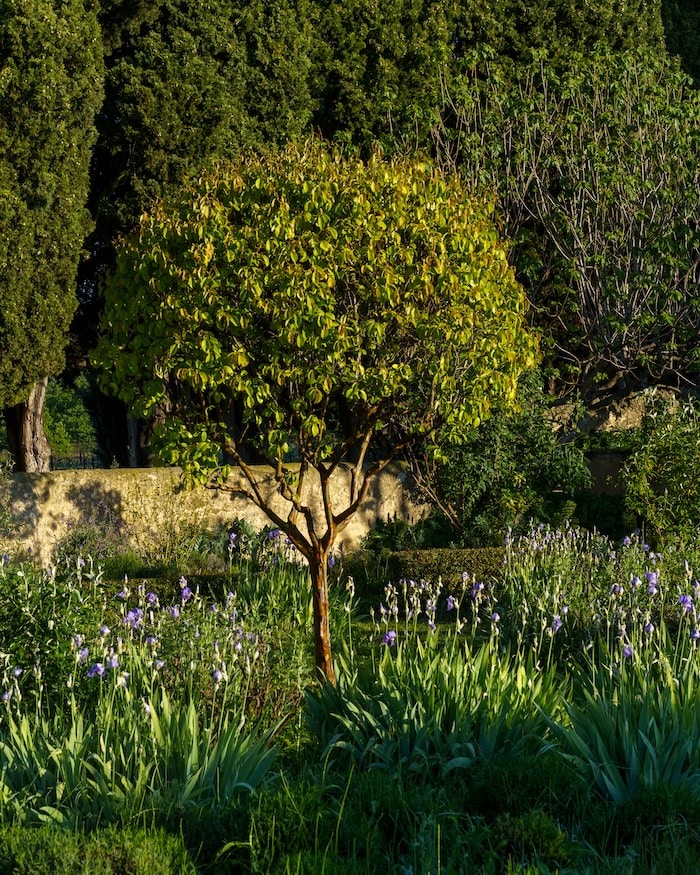
Most recently, in our magazine issues from 2025, we featured the Jardins de Marqueyssac in the Dordogne in the November/December issue, the Pavillon de Galon in the Luberon in the July/August ‘South of France’ Special, the Domaine de Brantes in Avignon in last year’s March/April edition, and the Jardins de Maizicourt in the Somme region in the January/February 2025 issue.
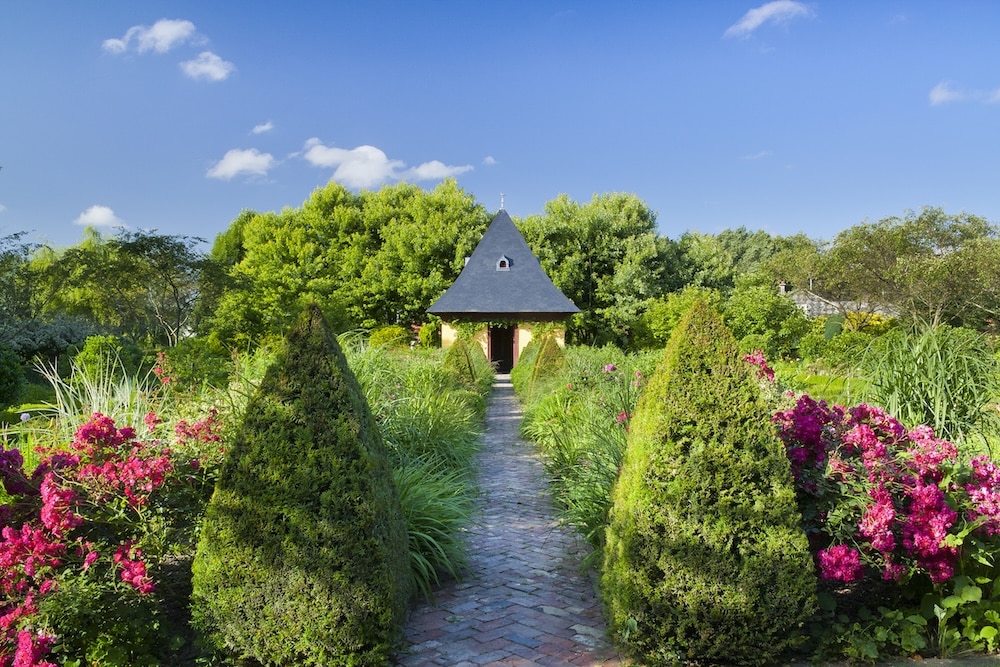
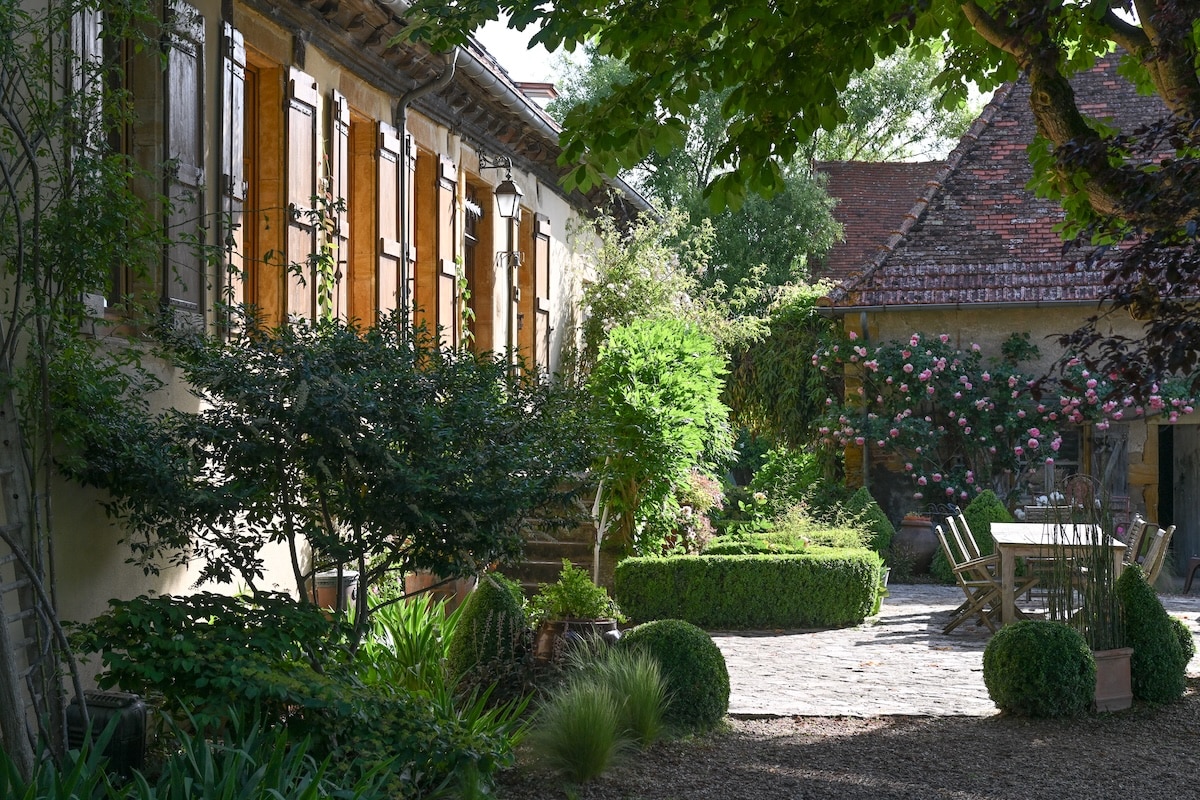
In our newest March/April magazine, we are thrilled to present the Jardin des Soussilanges, a hidden gem tucked away in a quiet village in southern Burgundy, photographed by Franck Schmitt.
A Must-Do in France
Anyone who has visited a Jardin Remarquable will recognize it as more than a bucket-list destination. Together, these gardens form a collection of places where visitors can gain a deeper reading of the French landscape. Shaped by climate, history and human care, they offer a rewarding experience for everyone, from curious novices to gardening experts. For France, they represent a lasting commitment to preserving its most significant green spaces, season after season.