Photo by Pexels
**This article is a direct feature from the January/February 2026 Issue of My French Country Home magazine written by Olivia Hoffman. To see more articles like this, be sure to subscribe to the magazine**
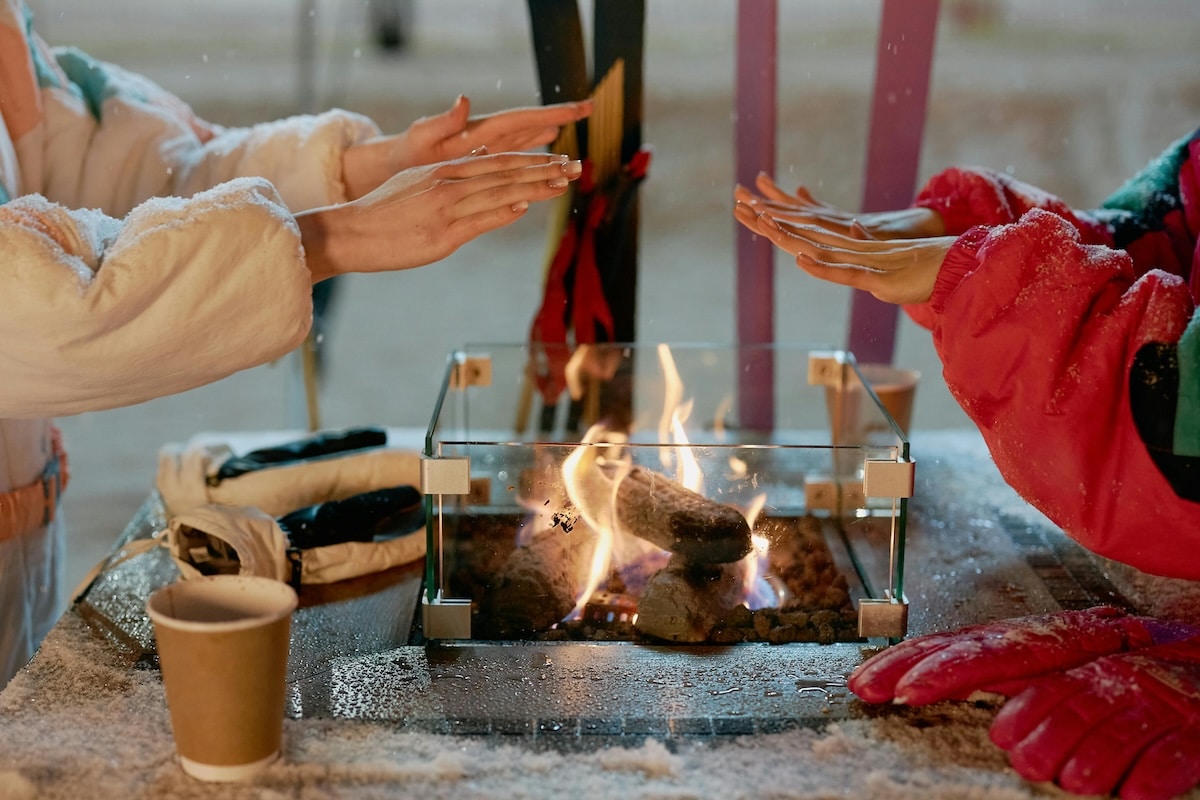
When the last rays of afternoon light dip behind snow-laden peaks and skiers glide back to the village with cheeks flushed from the cold, a new rhythm takes hold in the French Alps. Fireplaces crackle, the music turns up and the smell of mulled wine fills the air. It’s time for the “après.”
The term après-ski — literally “after skiing” — first appeared in the 1950s, when the French Alps became a fashionable retreat for city dwellers seeking fresh air and mountain beauty. In ski towns like Megève and Chamonix, visitors discovered that the true joy of a winter day didn’t end when the chairlifts closed — the real fun started after.
What is Après-Ski?
An integral part of the Alpine experience, the après-ski is the long-awaited moment to relax and refuel with friends and family over music, drinks and indulgent bites. It doesn’t matter if the daytime hours were spent skiing adventurous slopes or simply strolling through snow-covered streets, the evening that follows is a time for everyone to unwind, to gather and to savor.
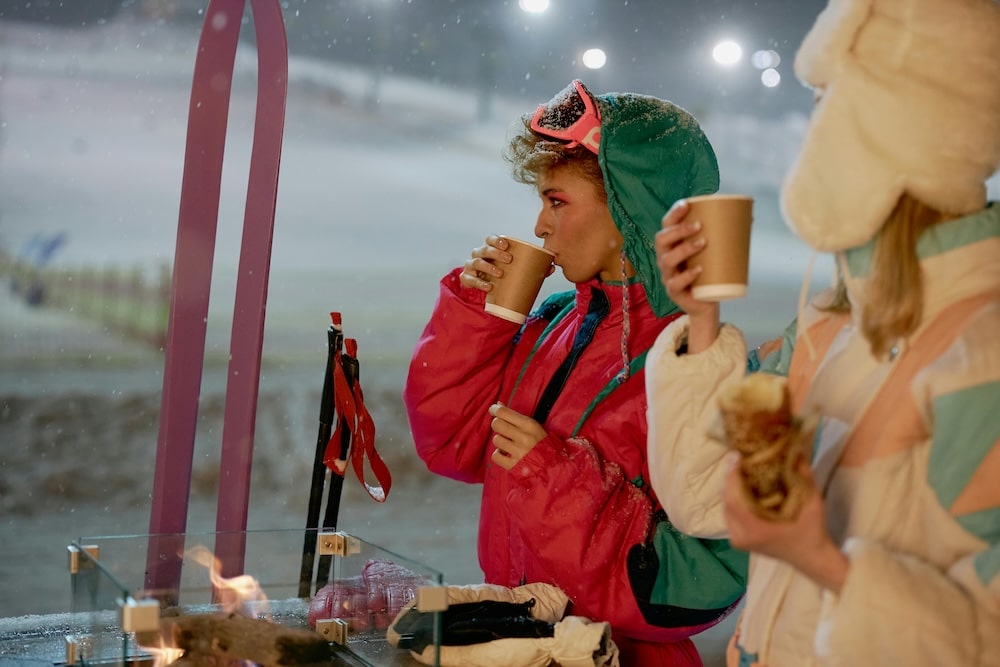
Friends gather around, still pink-cheeked, to recount the day’s adventures. Stories are told, laughter echoes off the wooden beams, and everyone warms up from the inside out. There’s no rush, no agenda — only the shared contentment that comes from being together after a beautiful day in the mountains.
What do you eat at the Après-Ski?
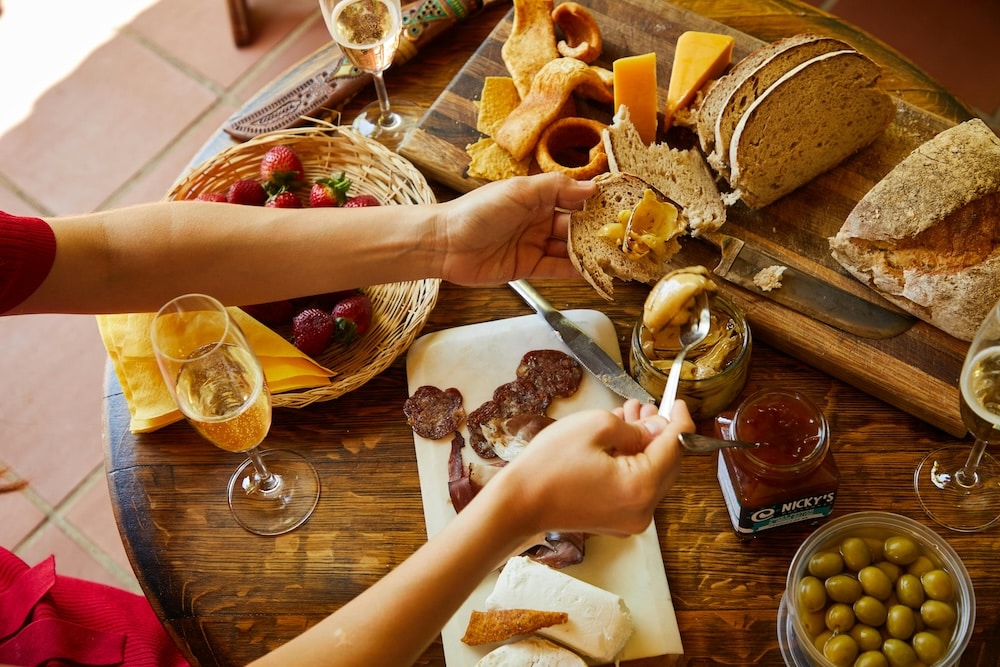
At a cliffside chalet, long tables are set not for ceremony but for comfort. The spread might include a bubbling dish of tartiflette — its layers of potato, reblochon cheese and onion melting into one another — or a crusty baguette overflowing with melted raclette. Perhaps there’s a board of mixed charcuterie from the Haute-Savoie, paired with a steaming mug of vin chaud (hot mulled wine) fragrant with winter spices or a crisp glass of Aperol Spritz.
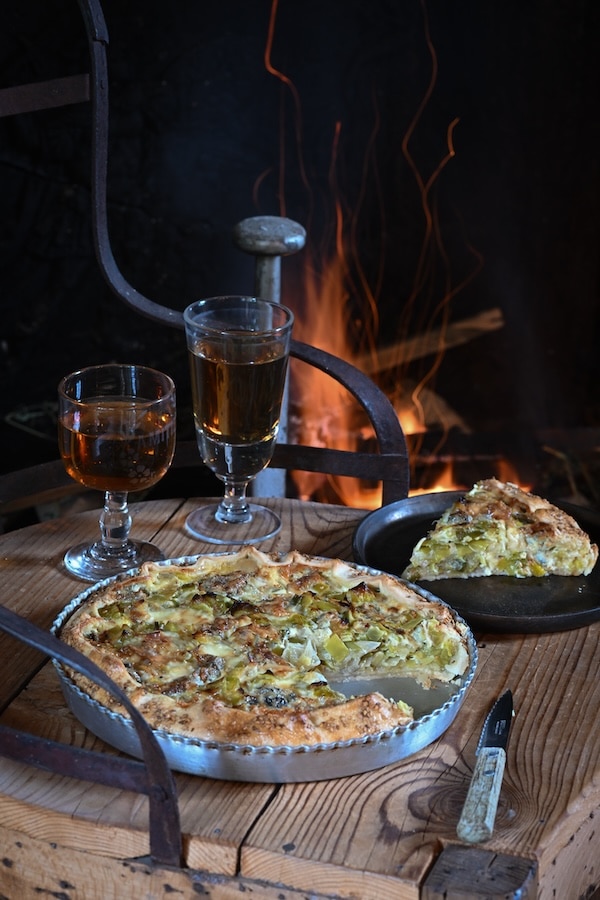
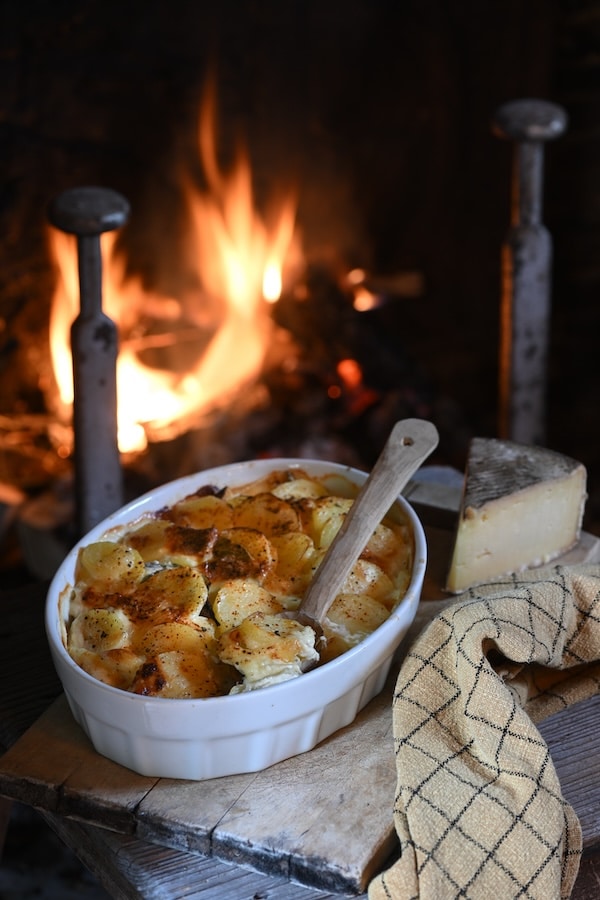
In our January/February 2026 Issue, our friend and regular contributor Franck Schmitt crafted a full menu of après-ski-inspired recipes including a leek and roquefort cheese tart, raclette-style potato gratin, porcini mushroom soup with herbs and cream, a blueberry and almond tart, and a gâteau de Savoie (savory sponge cake). You can get all the recipes in the magazine!
What does Après-Ski look like in France?
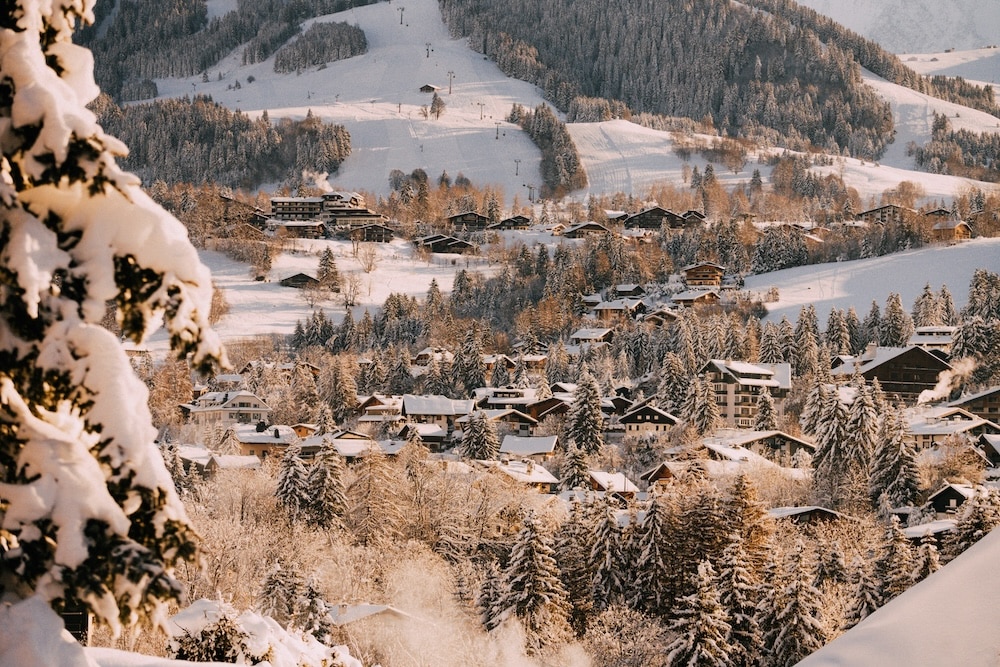
Every village in France has its own take on après-ski. In Megève, the atmosphere is one of winter glamor — horse-drawn carriages clatter through cobblestone streets, and stylish chalets glow with candlelight. At the legendary grand hotels, guests sink into fur-covered armchairs beside a roaring fire while sipping classic cocktails or rich hot chocolate.
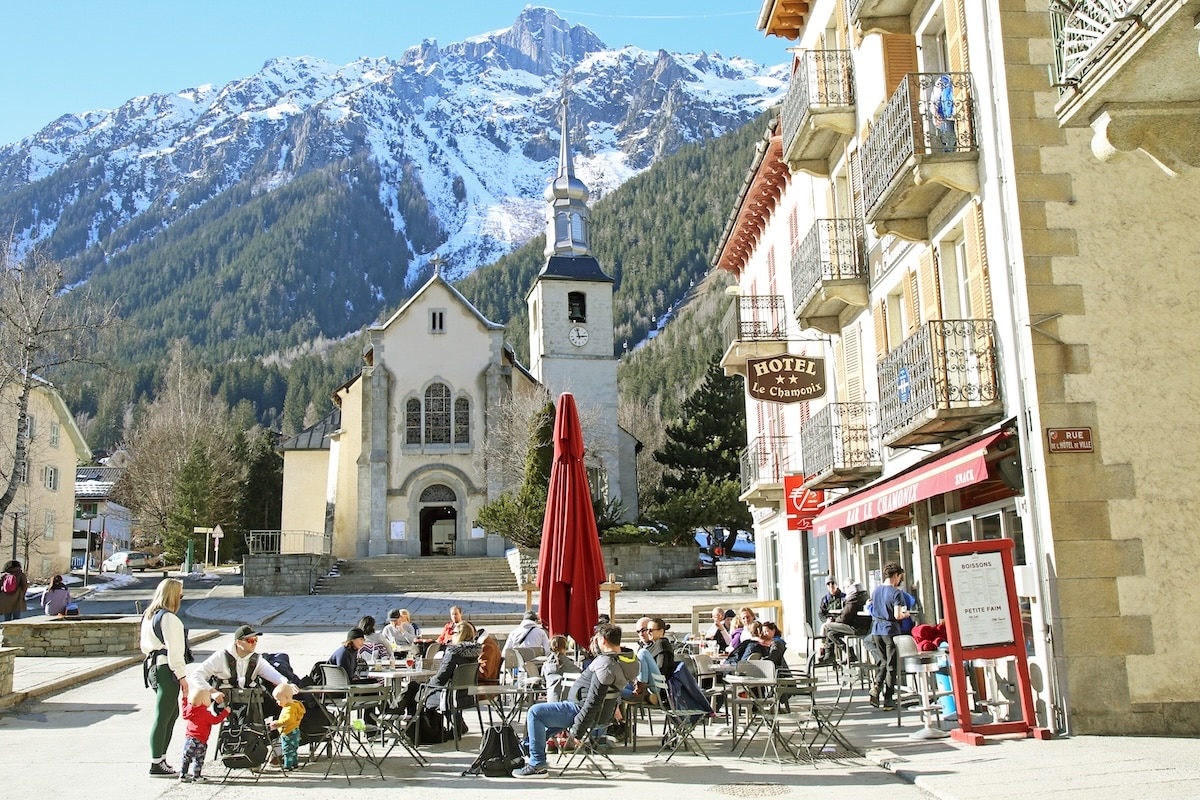
In Chamonix, après-ski feels more adventurous, infused with the spirit of mountaineering that defines the town. Here, locals and tourists gather in rustic bars where vintage climbing photos line the walls, pool tables encourage friendly competition and hearty mountain fare fuels conversations about the next ascent.
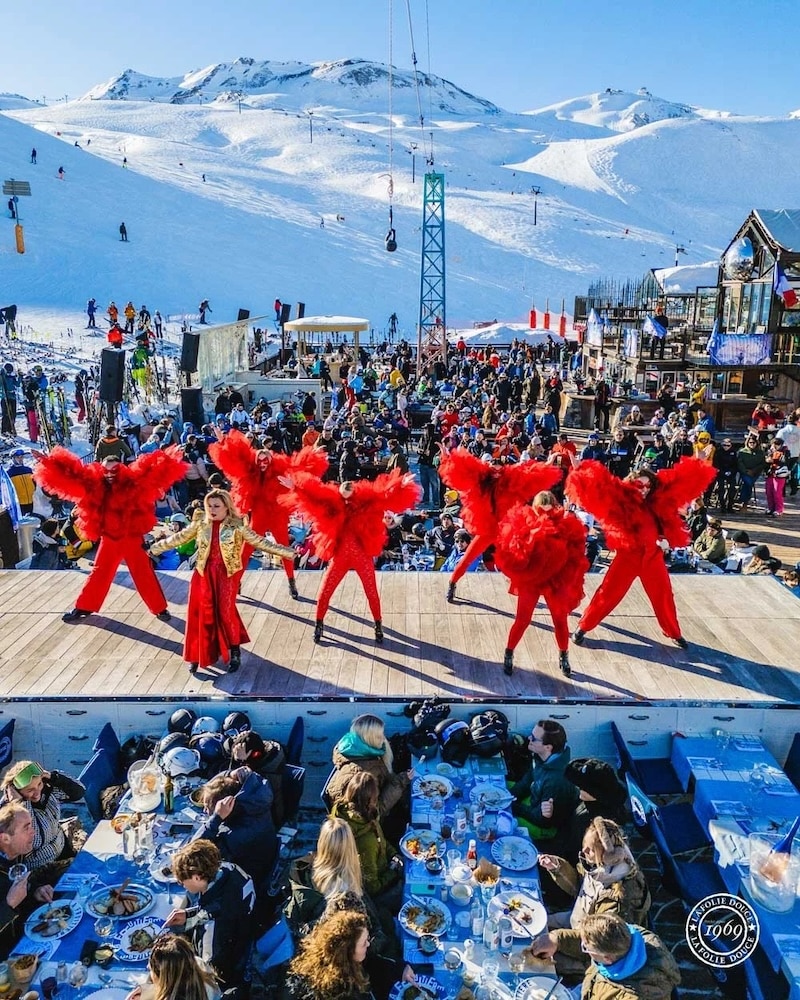
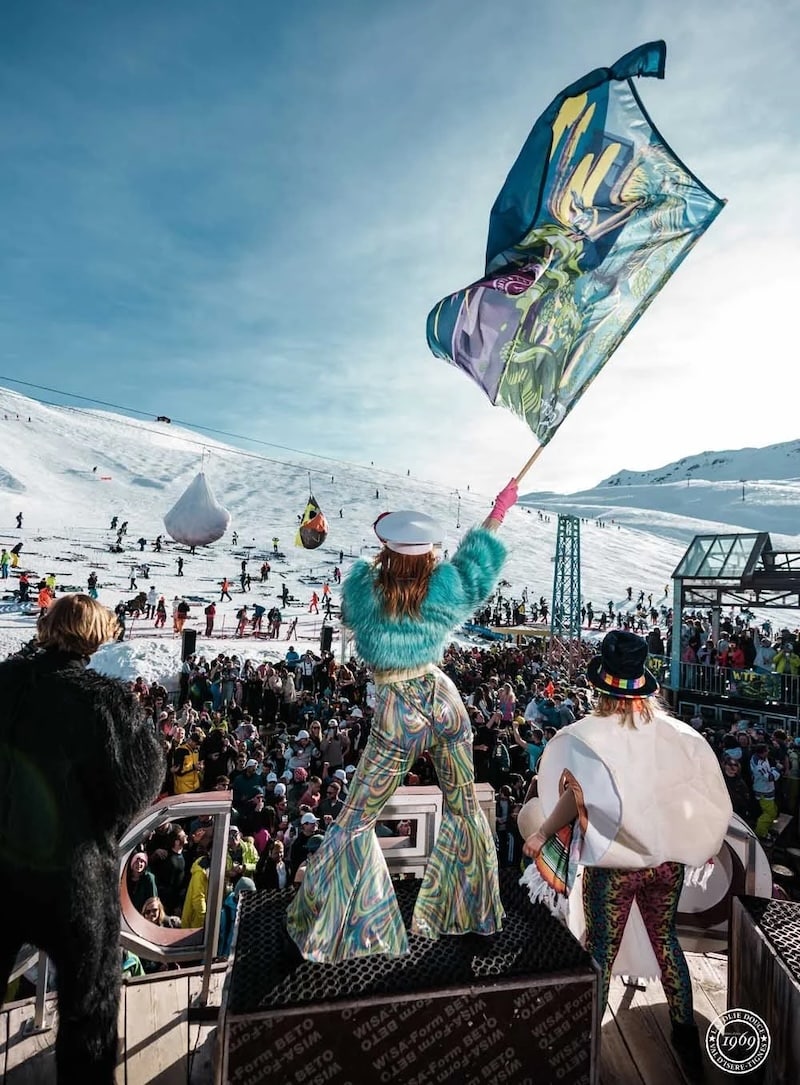
Val d’Isère, meanwhile, offers something a bit rowdier with champagne terraces, live performances and a contagious sense of celebration as skiers dance in their boots before the sun even sets. Against a backdrop of snowy peaks, DJs keep the energy high as cabaret dancers perform choreographed routines.
How to create an Après-Ski at home
While the Alps are arguably the finest setting for an après-ski, it is entirely possible to recreate this winter ritual at home. Begin by lighting the fireplace, pile thick wool blankets on the couch, throw on some classic jazz and serve up a hearty Alpine meal (see our après-ski recipes in the Jan/Feb 26 issue for inspiration). If cooking feels too ambitious, a simple charcuterie board or a steaming bowl of soup will do. And of course, keep the drinks flowing! The key is not extravagance, but convivialité — that effortless sense of warmth and connection the French have perfected.
At its heart, après-ski is a philosophy of balance — a reminder that rest and pleasure are as essential as activity. The French have long understood that life’s most beautiful moments often come not from what we achieve, but from how we choose to pause.