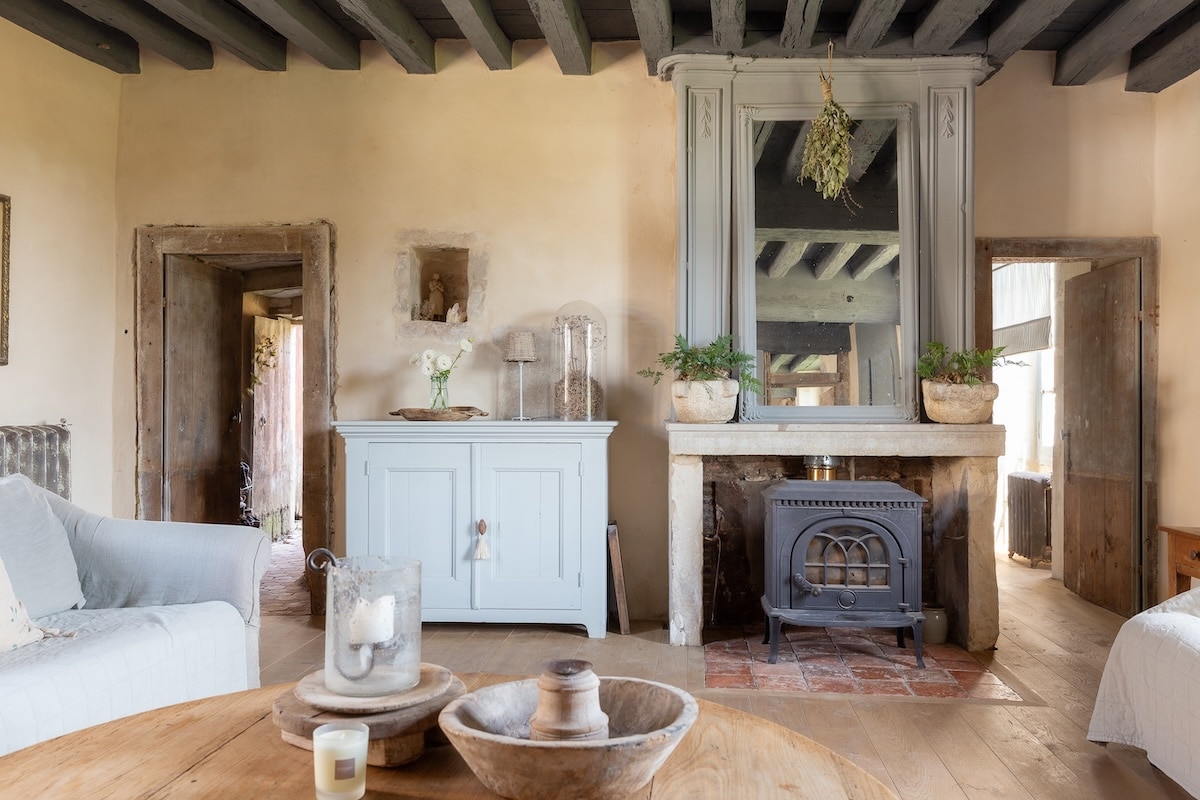
Photo by Morgane van Liere from the March/April 26 Issue
When you step into a French farmhouse, the comforting feeling settles around you before you have quite identified its source. Something in the quality of the light, the heft of the furniture, the way a linen curtain moves in a summer breeze, the warmth of stone and wood beams that have held up for centuries. It’s a home that feels both lived-in and considered, both simple and beautiful in an entirely unforced way.
SUBSCRIBE TO THE MAGAZINE
The good news is that this atmosphere is not reserved for those fortunate enough to own a stone mas in Provence or a Norman fermette. It can be cultivated, room by room, through careful choices about materials, scale, and a willingness to prioritize character over perfection.
Here’s how to begin to make your home feel like a classic French farmhouse.
Use the code MFCHMAG10 for 10% off your purchase on the MFCH Boutique!
Start with Stone, Wood, and Raw Materials
The architecture of a French farmhouse is its soul, and even if your walls are plastered smooth and your floors are fitted with carpet, you can still evoke that spirit through the materials you choose to bring into the room. The French countryside is built from stone, oak, terracotta, and iron — materials that carry weight, age beautifully, and connect a space to something older than fashion.
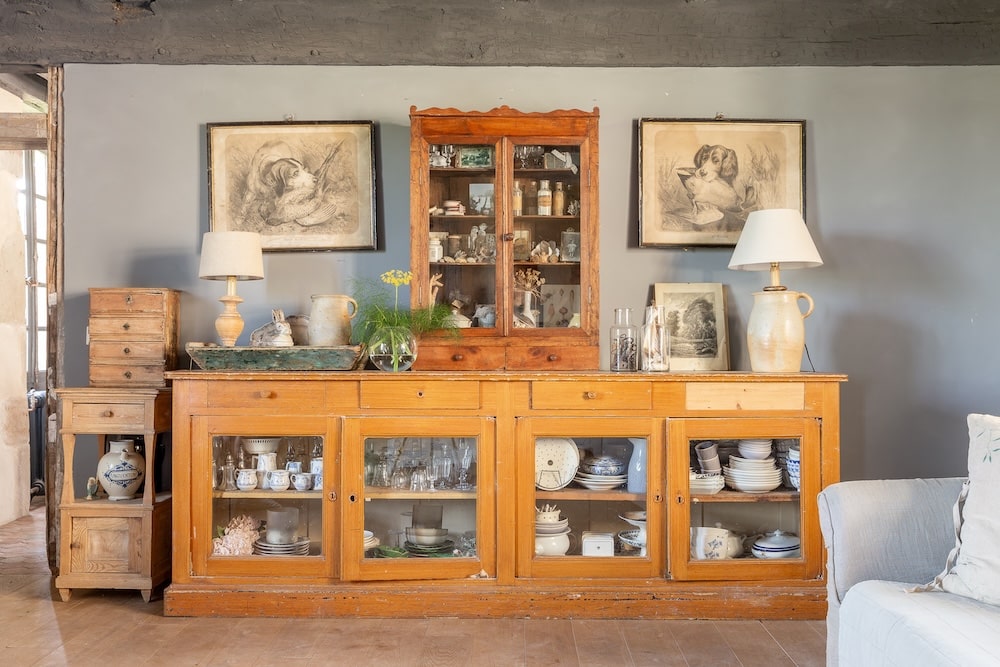
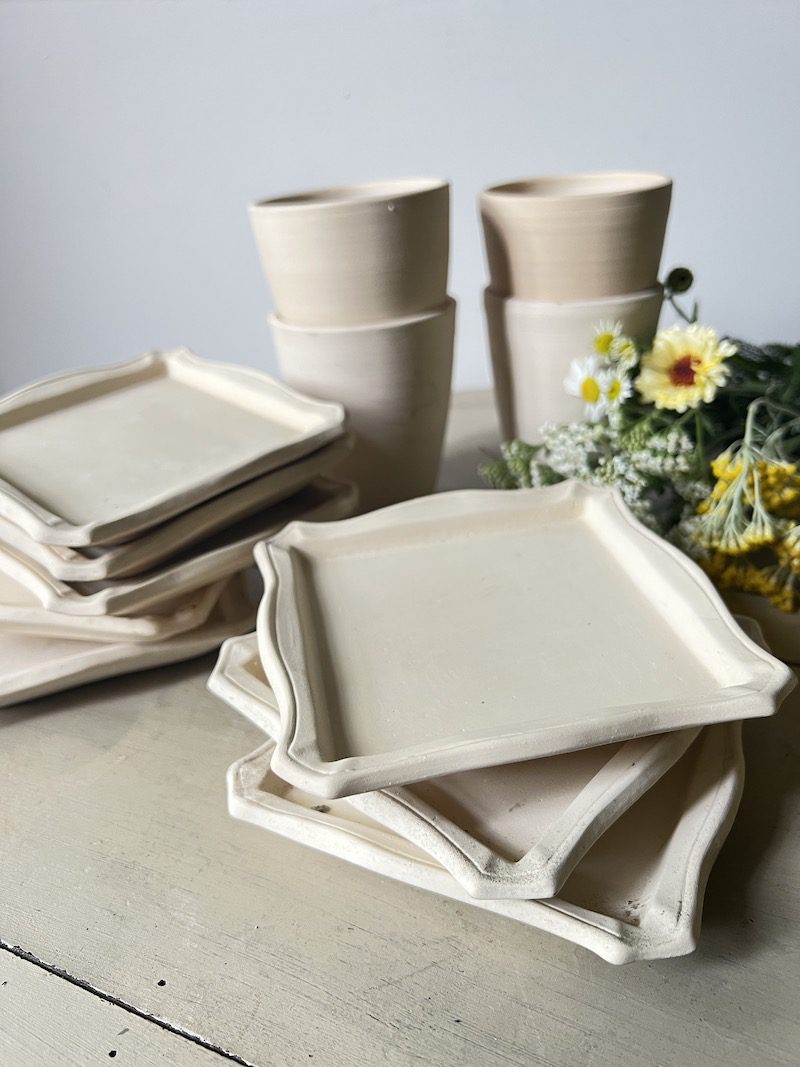
If you are starting from scratch, look for furniture that shows its grain. A worn oak dining table with visible knots, or an antique commode filled with mismatched serveware, will carry more character than anything that looks too new. Pair these with pottery — rough-glazed crocks, hand-thrown stoneware, or simple terracotta planters — and the room begins to feel as though it has gathered its pieces slowly and deliberately, rather than all at once.
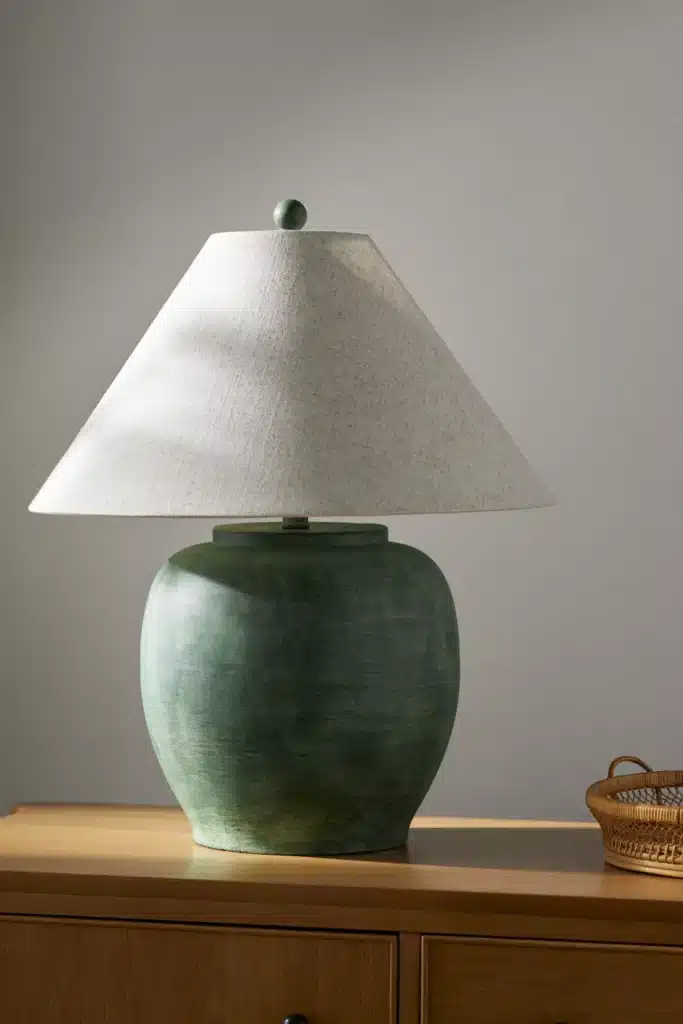
Antique stone fragments, weathered wood cabinets, and heavy ceramic lamps all earn their place. The key is to choose things that have a sense of physical presence, items that feel like they belong to the house as much as to you.
Dress Your Windows in Linen
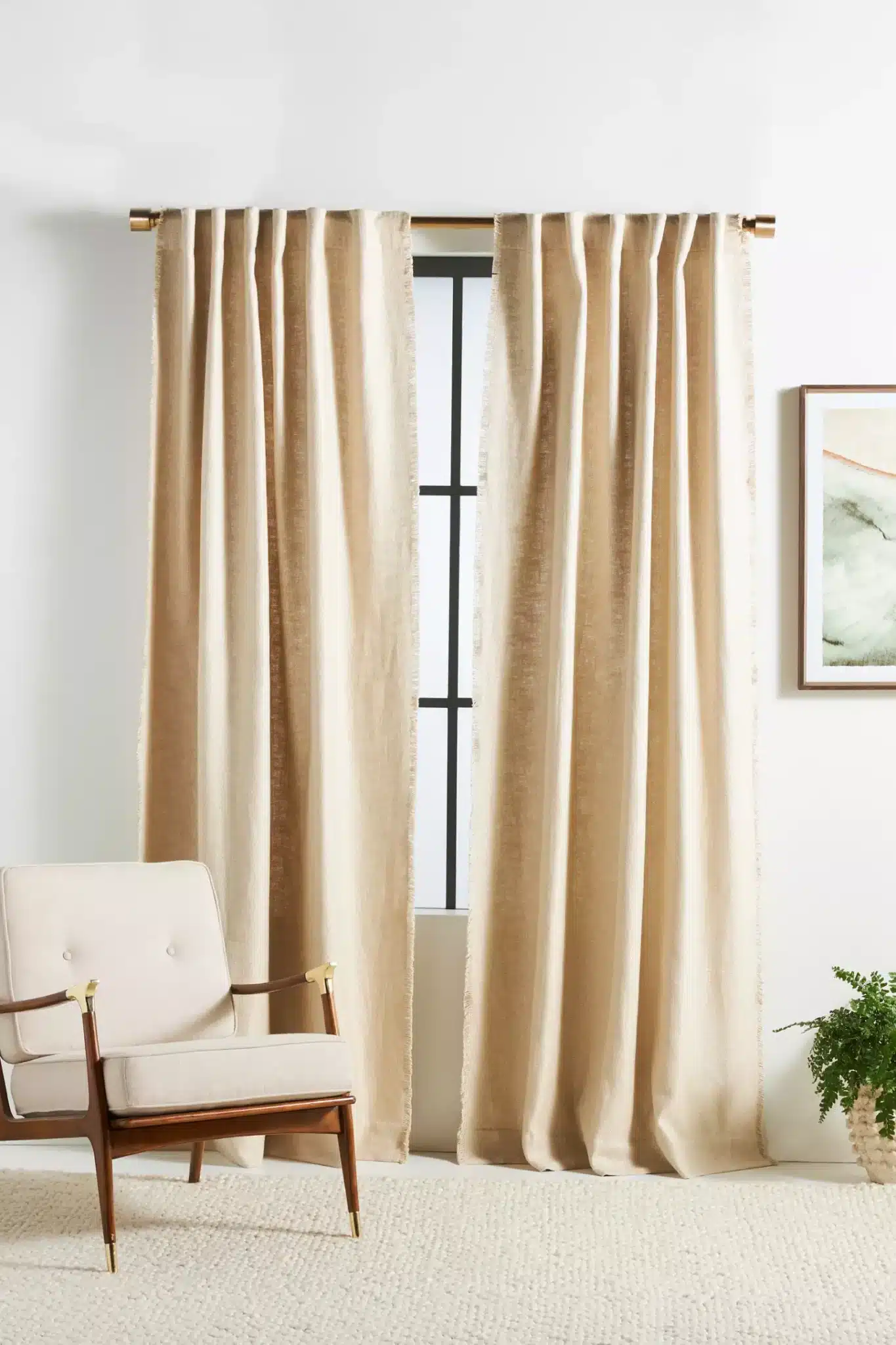
Washed, slightly rumpled, and allowed to pool just a little on the floor, linen curtains lend a room both softness and substance. They filter light without blocking it entirely, filling the room with that warm glow that photographs of Provençal homes capture so well.
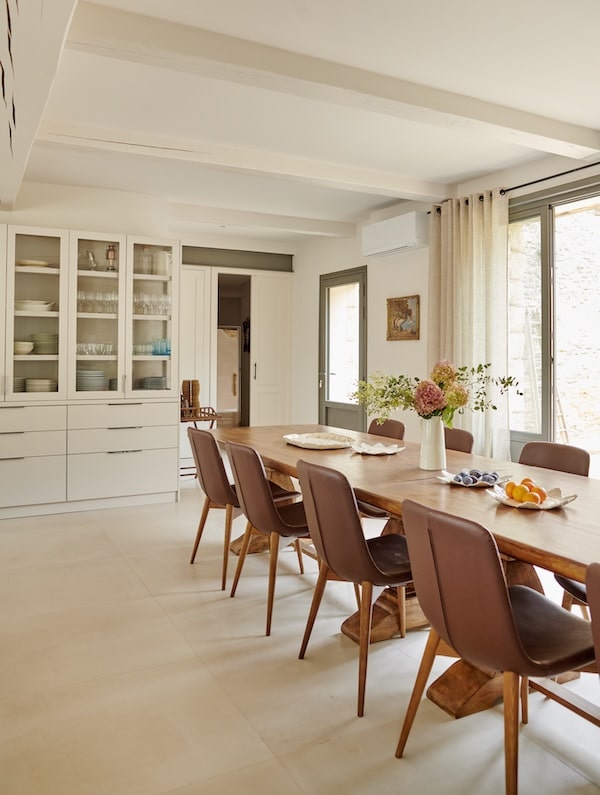
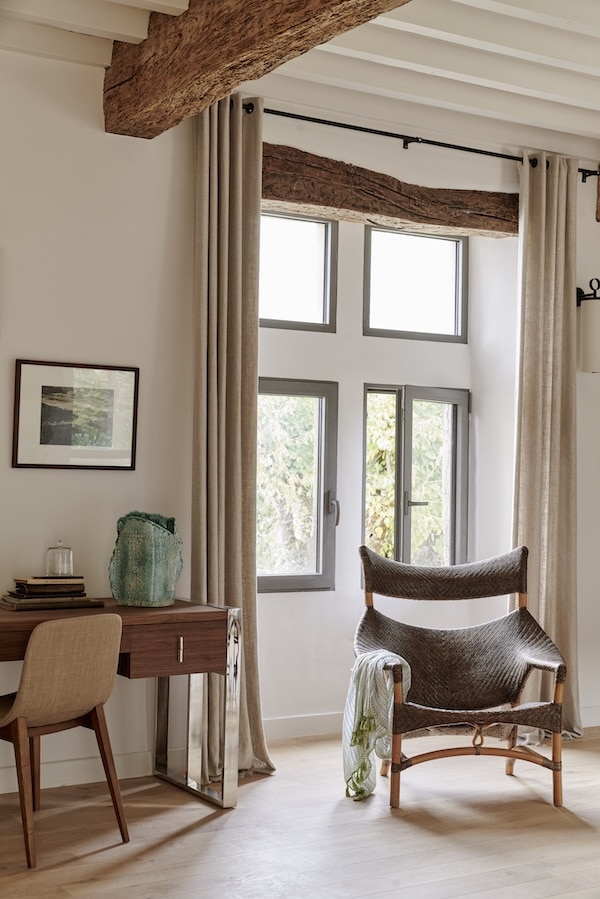
The French do not hang curtains that are just the right length. They hang curtains that are generous, with enough fabric to gather, to drape, to move. And they rarely match them too precisely to the rest of the room. A cream linen at the window against warm stone walls, a pale blue against white plaster — these pairings feel at once effortless and entirely intentional.
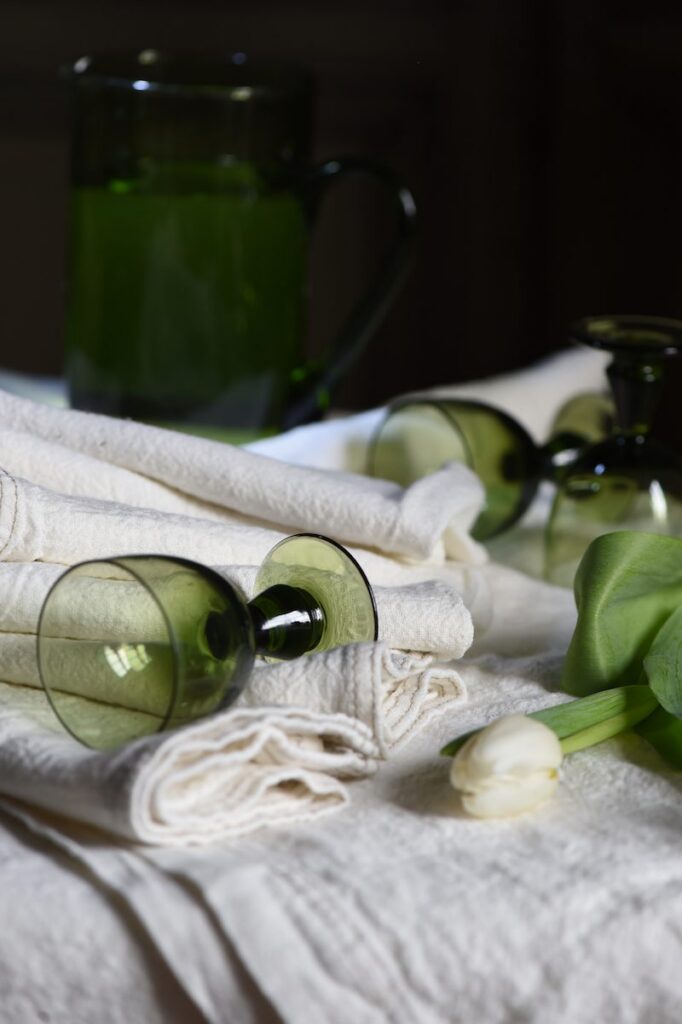
If full-length curtains feel like too much of a commitment, a simple linen table runner or café curtain in the kitchen achieves the same feel, bringing that same easy, relaxed quality to the dining areas.
Layer in Patina with Antiques and Vintage Finds
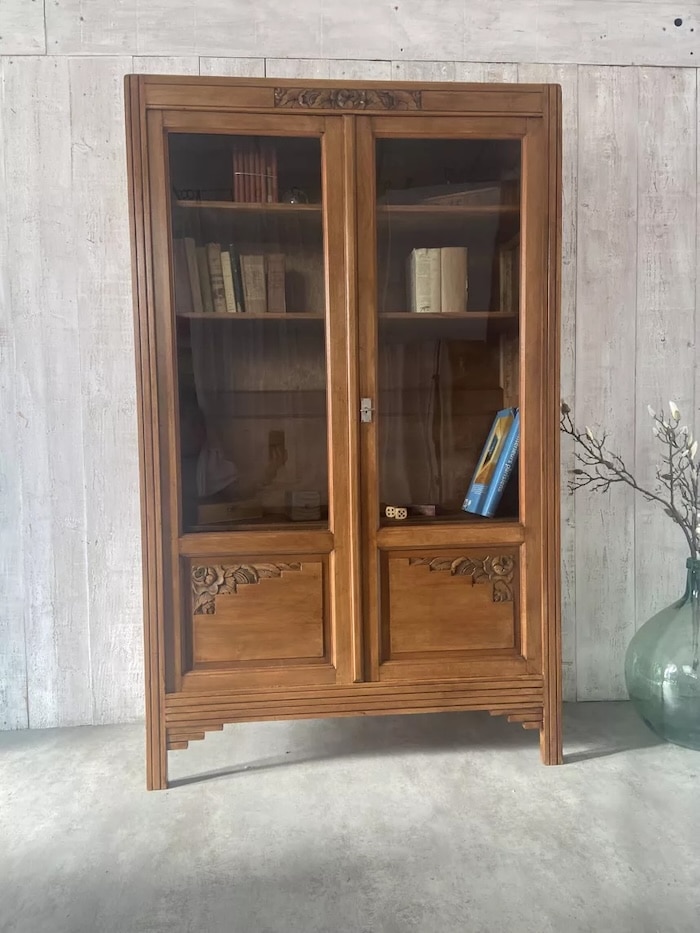
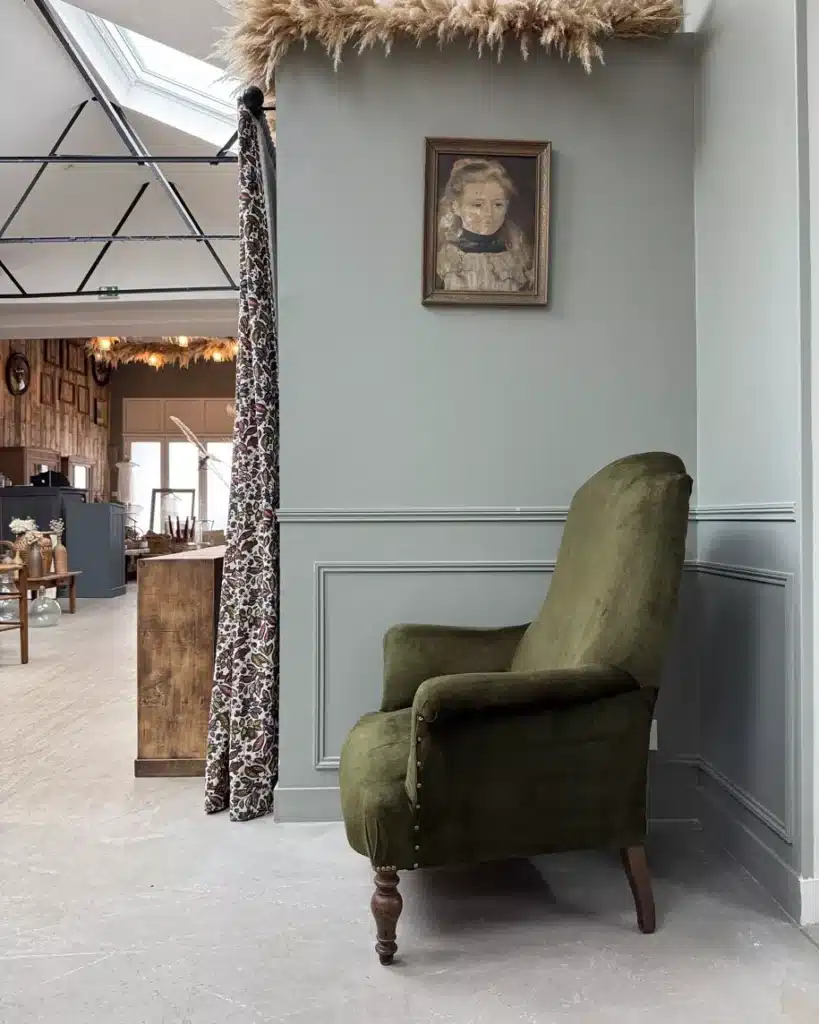
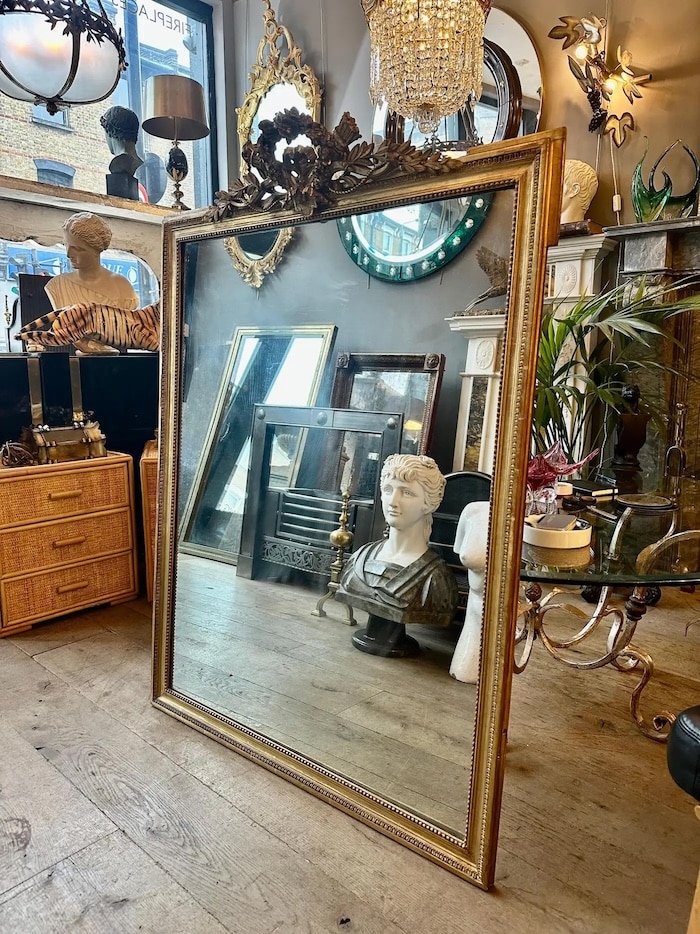
In many French homes, generations of family life have left their mark: a grandmother’s armoire, a chair reupholstered more than once, a mirror that has hung in the same corridor for a century. It is this accumulation of time that gives French interiors their depth, and it is what distinguishes them from spaces that are merely decorated.
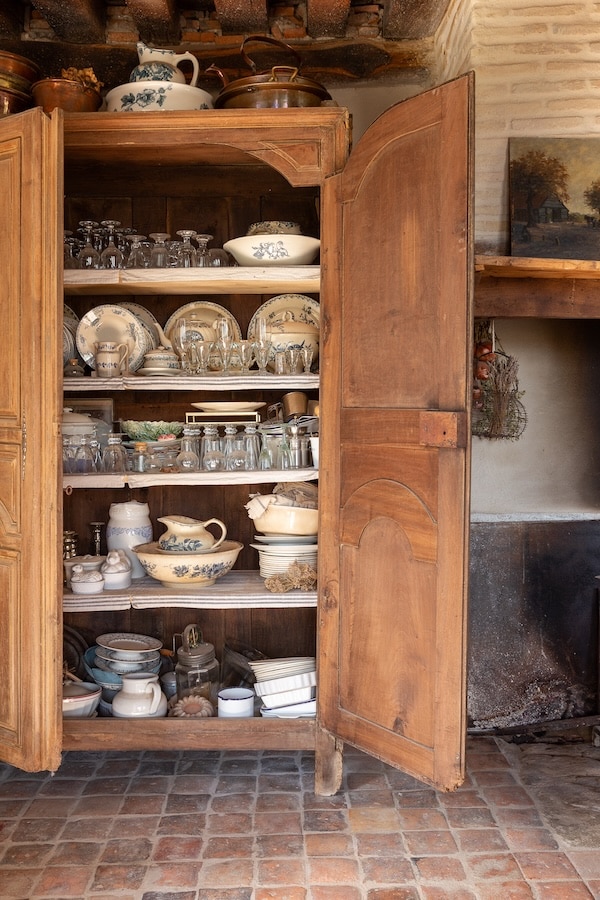
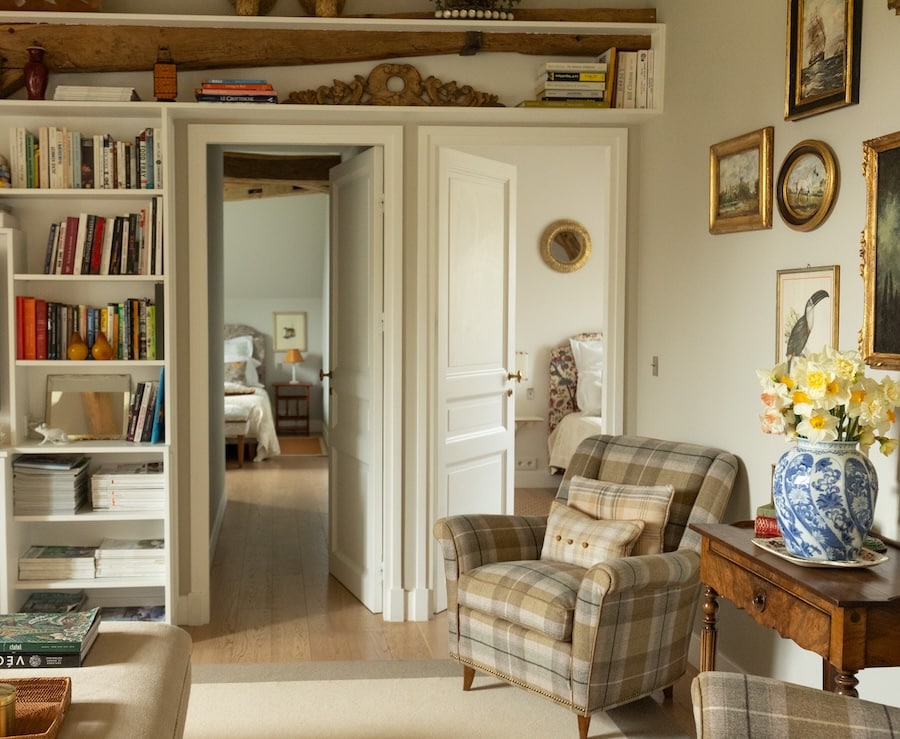
You do not need to fill a room with antiques to achieve this feeling, but a few well-chosen pieces will change everything. A carved gilt mirror leaning against a wall. An antique dining set stacked in the cabinet. A worn leather armchair that has clearly been a reading spot for decades. Introduced into an otherwise simple room, these pieces lend the space a sense of history and continuity.
Set the Table the French Way
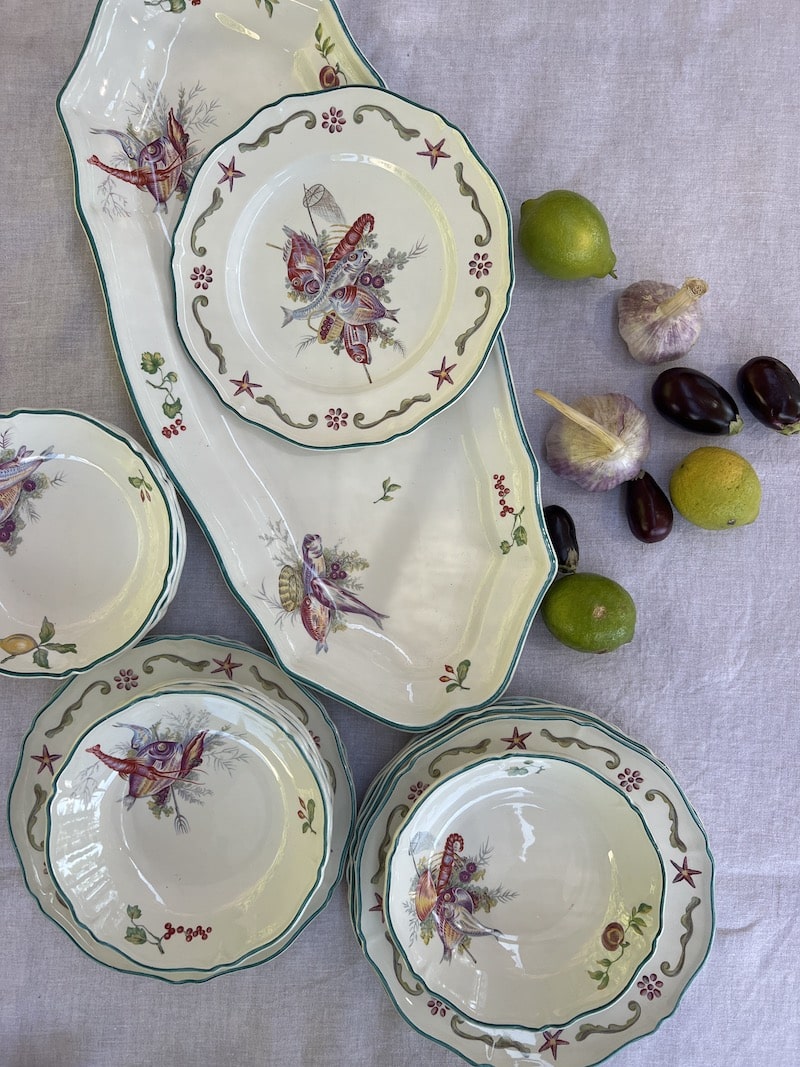
In France, the table is the heart of the home. It’s the place where the day begins with café and tartines, and where it ends over a shared meal that nobody is in a hurry to finish. With so much quality time spent here, it is worth thinking carefully about how you dress your table, not just for guests, but for every day.
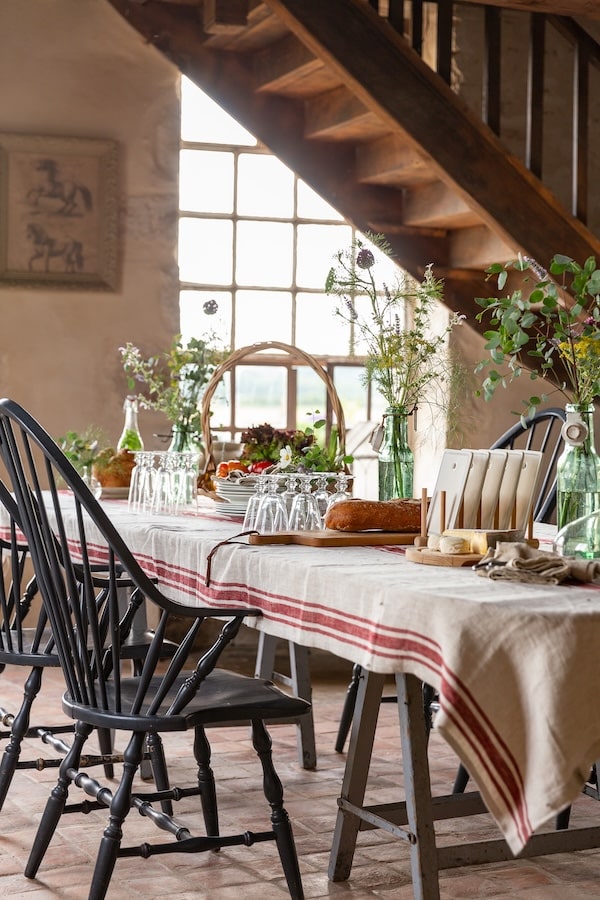

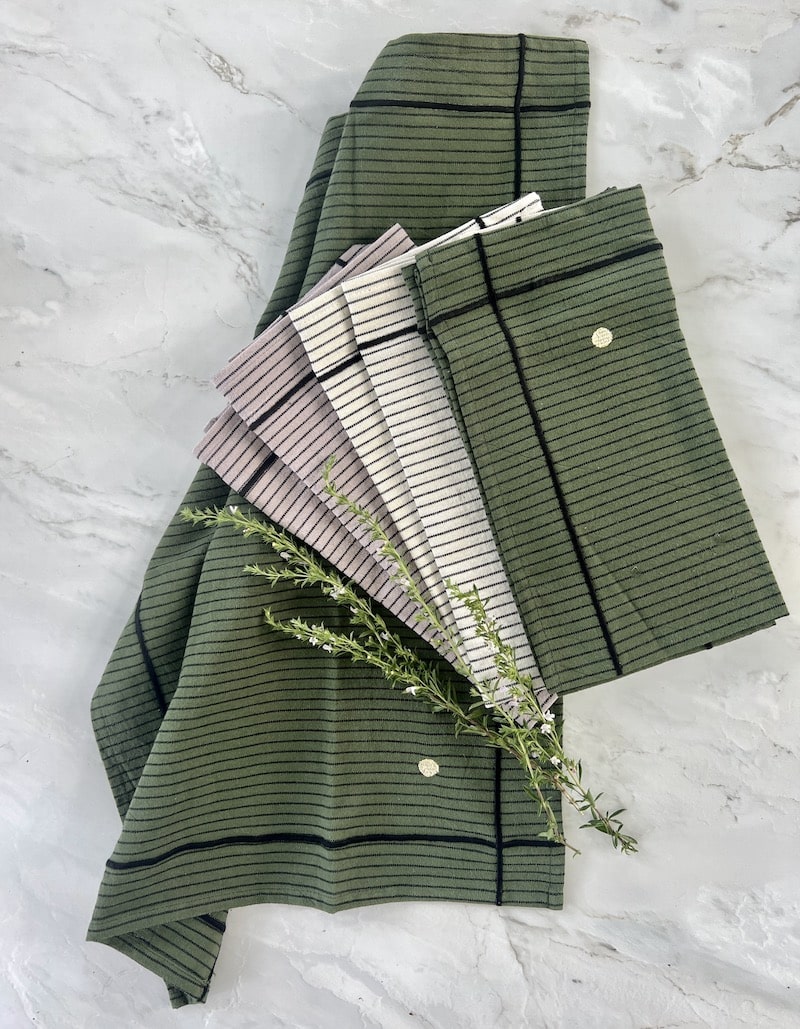
Lean toward natural materials and layered simplicity. Linen napkins in muted tones, earthenware plates that are not perfectly matched, a carafe of water, a candle or two, and flowers from the garden.
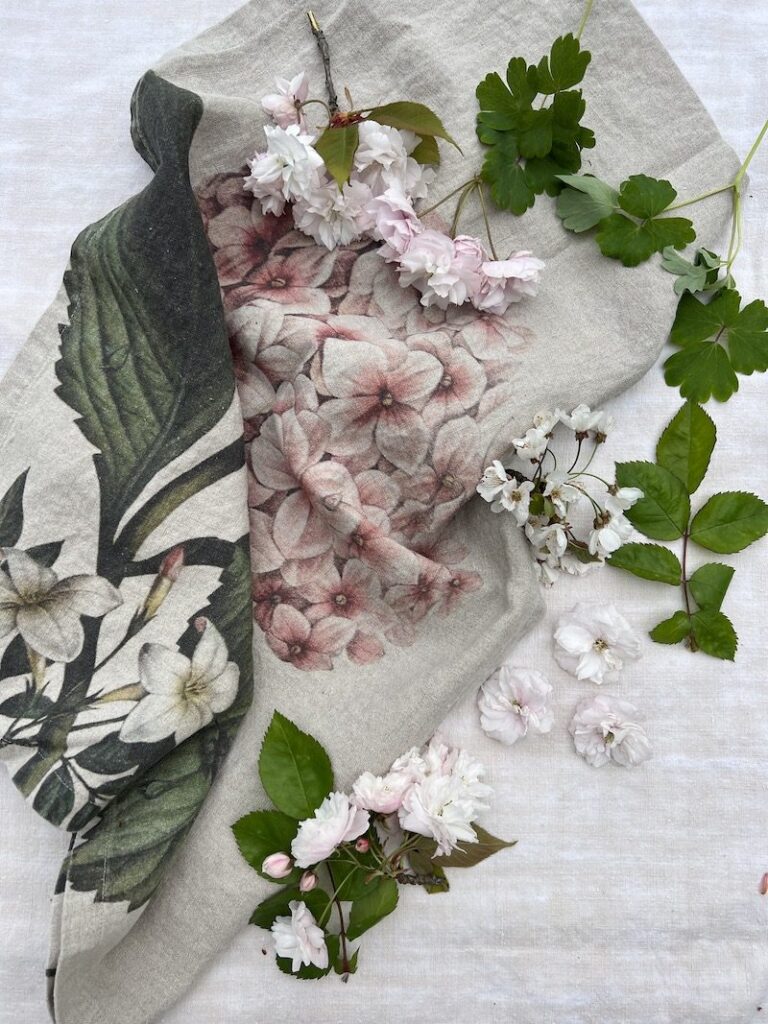
A Provençal placemat instantly evokes an unhurried afternoon in the south of France. Set against a plain linen tablecloth, with antique dinnerware and a bunch of lavender, the effect is transporting.

Choose a Palette Rooted in the Land
The colors of the French countryside are borrowed directly from the landscape. The honey of old stone, the faded grey-green of lavender fields after the harvest, the chalky white of limestone, the warm brown of turned earth, the dusty blue of a shutter that has weathered several summers. These are the tones that belong in a French farmhouse interior.
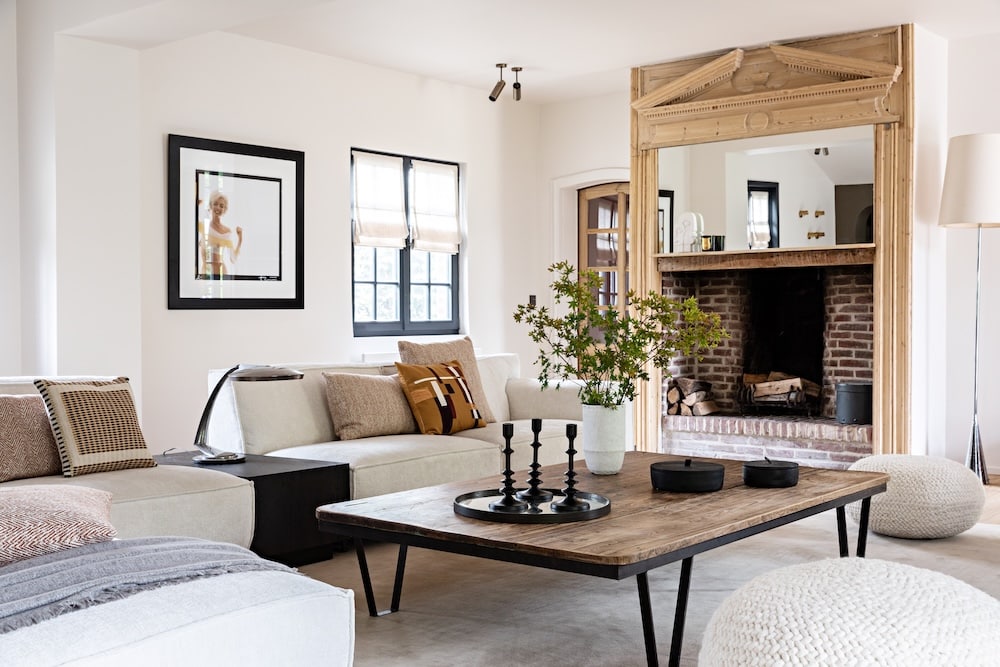
French country colors are never sharp or saturated. They are aged, as if the sun has spent years calming them down. A good rule of thumb when selecting paint or accent decor: choose the color you like, then imagine what it would look like after ten years of weathering. That is your shade.
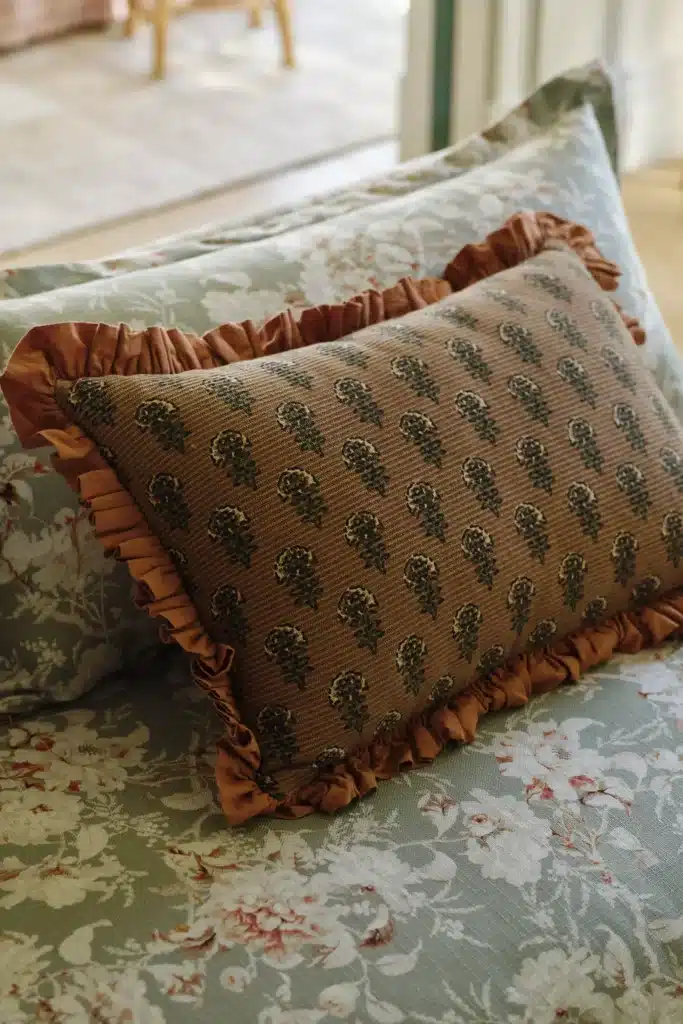
Within this palette, pattern has its place — but used sparingly. A Provençal print on a cushion cover, a toile on an accent chair, a ticking stripe on a bedspread. Kept in scale and balanced against plain surfaces, these patterns feel authentic rather than decorative.

Don’t Neglect the Details
The French have an instinctive eye for the small things: a bundle of dried herbs hung by the door, a stack of books on a worn wooden stool, a single branch in a tall ceramic vase. These are not decorative gestures so much as reflections of daily life.
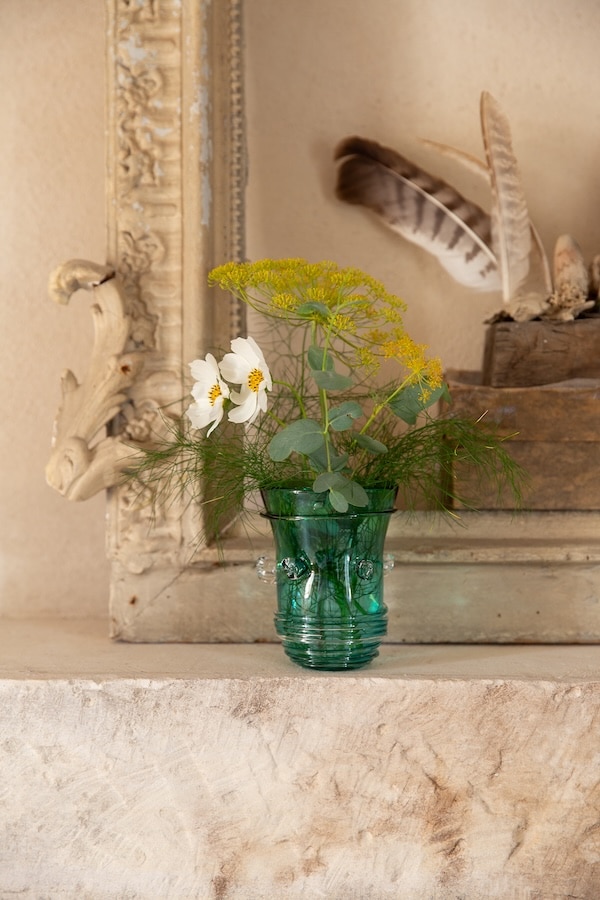
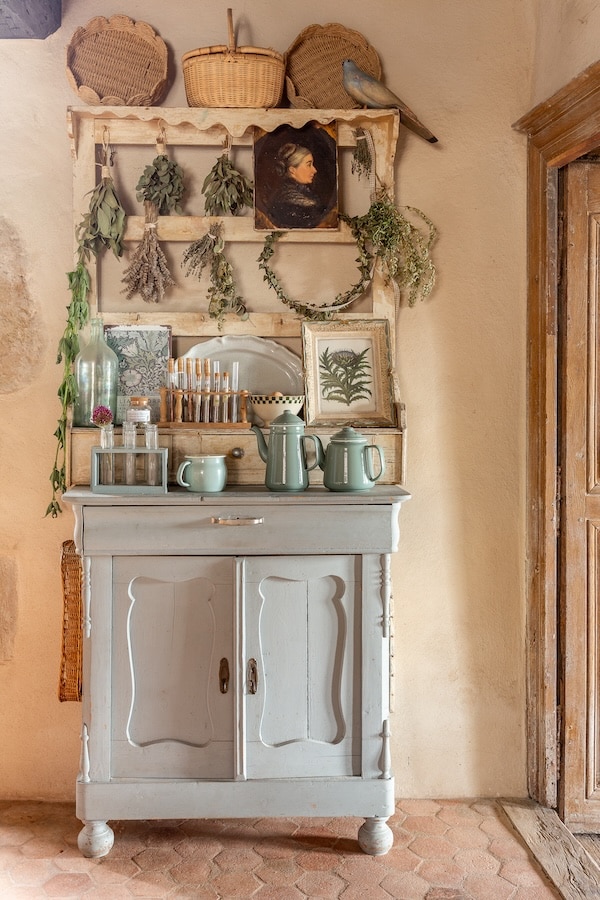
As you build the look at home, resist the urge to fill every surface. Leave room to breathe. Choose a few things that mean something and let them be enough. An antique painting on the mantelpiece. An enamel catch-all tray on a side table. A jug of garden herbs on the kitchen windowsill. These are the details that turn a decorated room into a welcoming home.
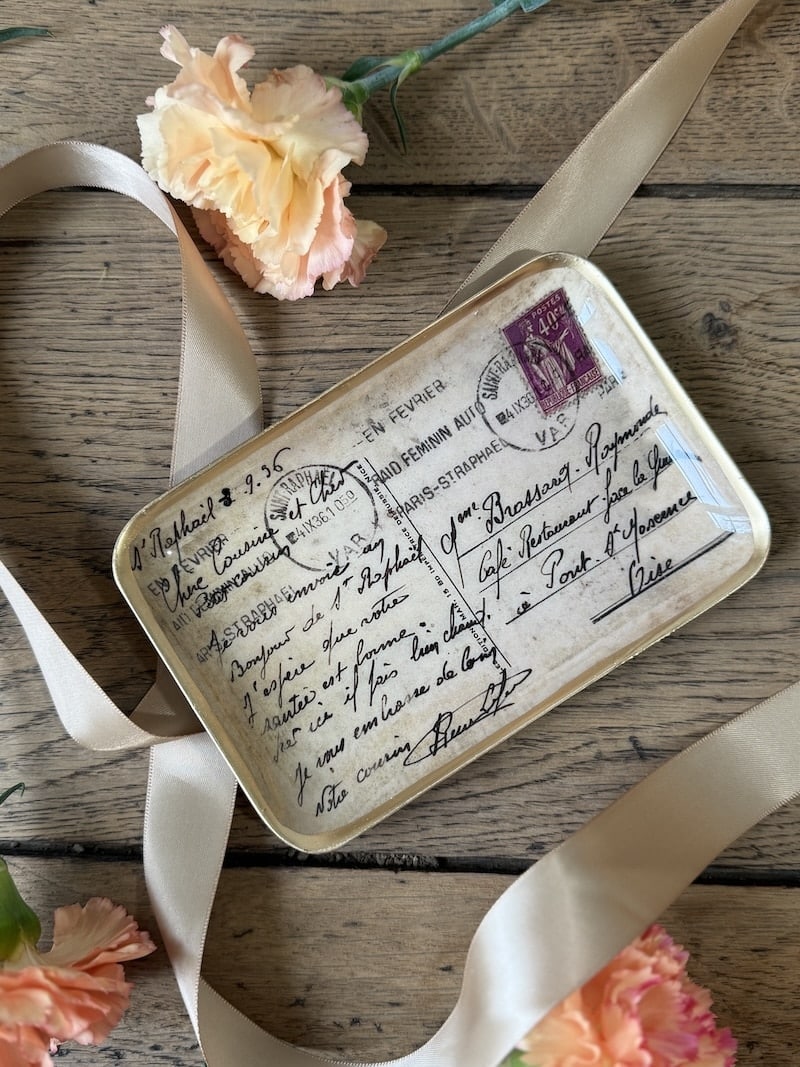
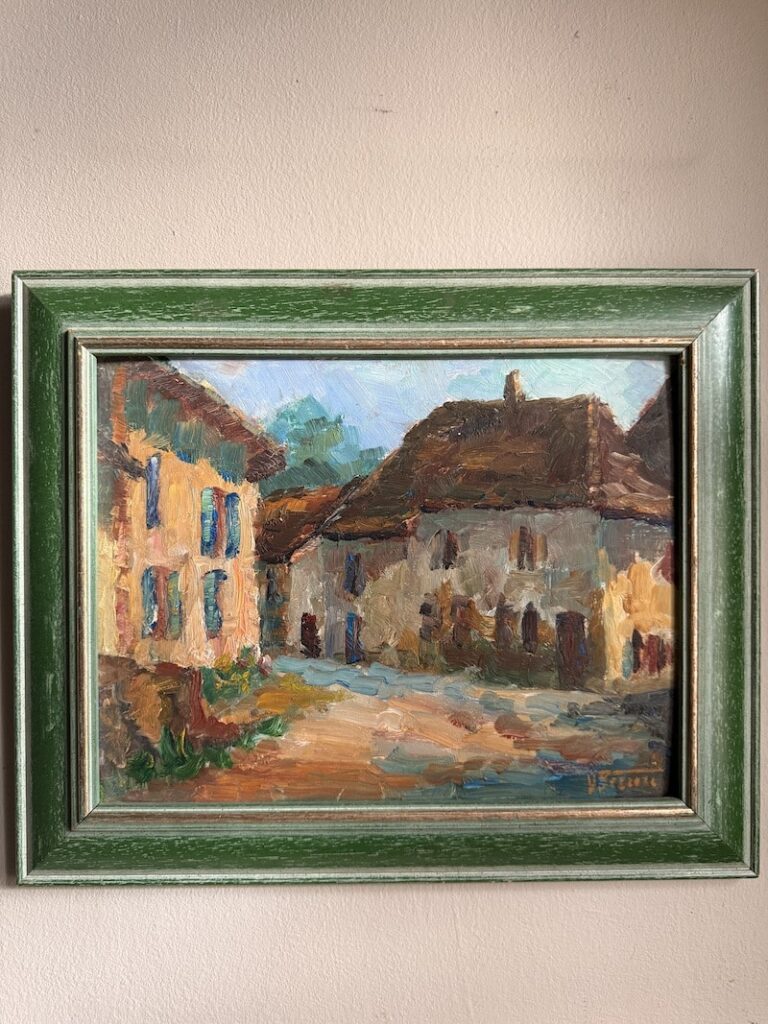

The art of the French farmhouse interior lies not in perfection, but in the pleasure of a home that has been assembled slowly, thoughtfully, and with an eye for the beautiful in the everyday. Begin with one room, one corner, one piece — and let the rest follow.