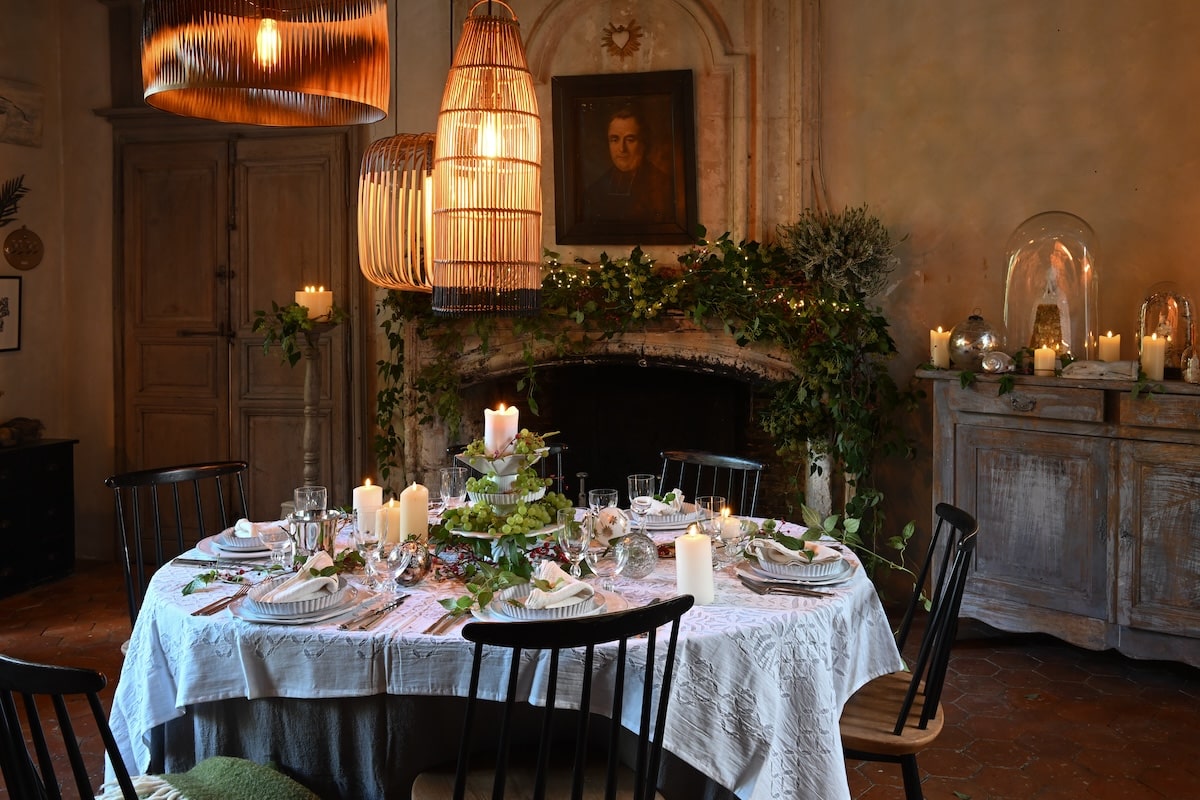
Photo by Franck Schmitt for the November/December 2025 Issue
Christmas in France is less about spectacle and more about ritual. It’s those quiet, meaningful gestures repeated year after year that make the holidays memorable. From candlelit churches and late-night feasts to tables heavy with desserts and seafood, French Christmas traditions unfold slowly, revealing a deep reverence for food, family, and faith.
SUBSCRIBE TO THE MAGAZINE
While customs vary by region, the spirit remains the same: Noël is a time to gather, to linger, and to indulge both spiritually and gastronomically.
Here are a few of the typical Christmas traditions that French families look forward to every year.
Advent: A Countdown to Noël
The French approach Christmas with patience. December begins not with excess, but with anticipation.

Advent calendars (calendriers de l’Avent) are common in homes with children, though increasingly popular with adults as well. Traditional calendars reveal small chocolates, while modern versions might include herbal teas, beauty products, or luxurious French items (like the MFCH Advent Calendar — sold out this year, but email us to get on the list for next year!).
Rather than rushing toward the big holiday, Advent in France encourages savoring each day.
Midnight Mass: Faith and Tradition
For many French families, Christmas truly begins with la messe de minuit, or Midnight Mass, on Christmas Eve. Across villages and cities, churches glow with candlelight, carols echo beneath stone arches, and the air carries a hushed reverence.
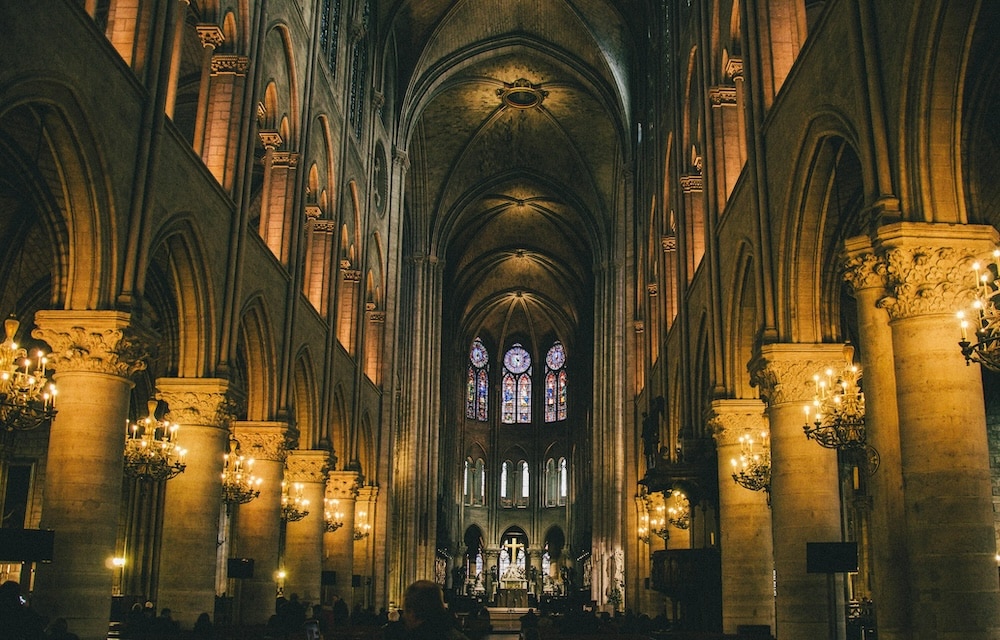
Even those who do not attend church regularly may return for this service, drawn by tradition rather than obligation. In Provence, Midnight Mass is sometimes accompanied by shepherds’ songs and regional instruments, reflecting the deep connection between faith and local culture.
Historically, the feast that followed was meant to sustain worshippers after a long night of prayer — an origin story that still shapes the structure of Christmas Eve celebrations today.
Le Réveillon: A Late-Night Feast
Late at night of Christmas Eve, families gather around the table for le Réveillon, the grand, celebratory meal that often goes into the early morning. This is not a hurried dinner. It is an event.
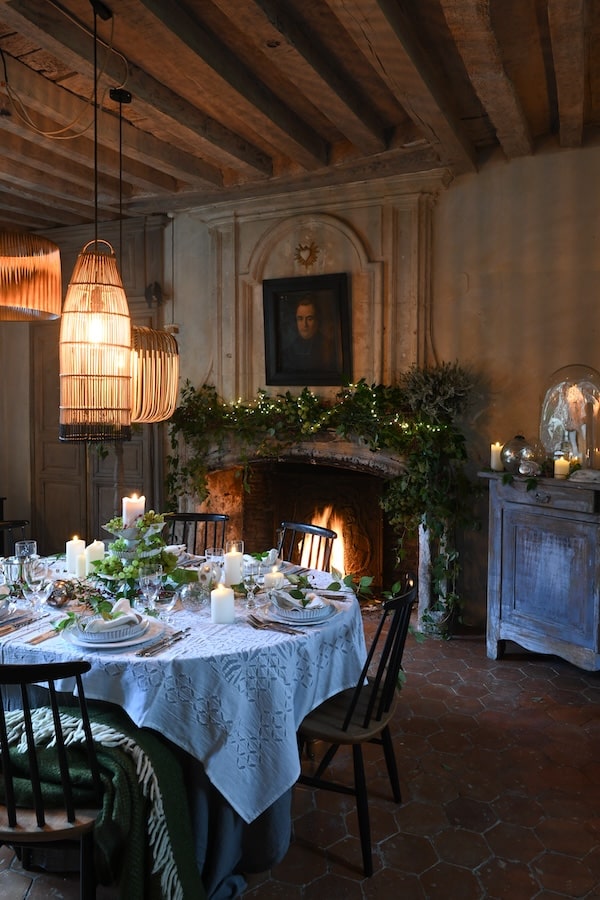
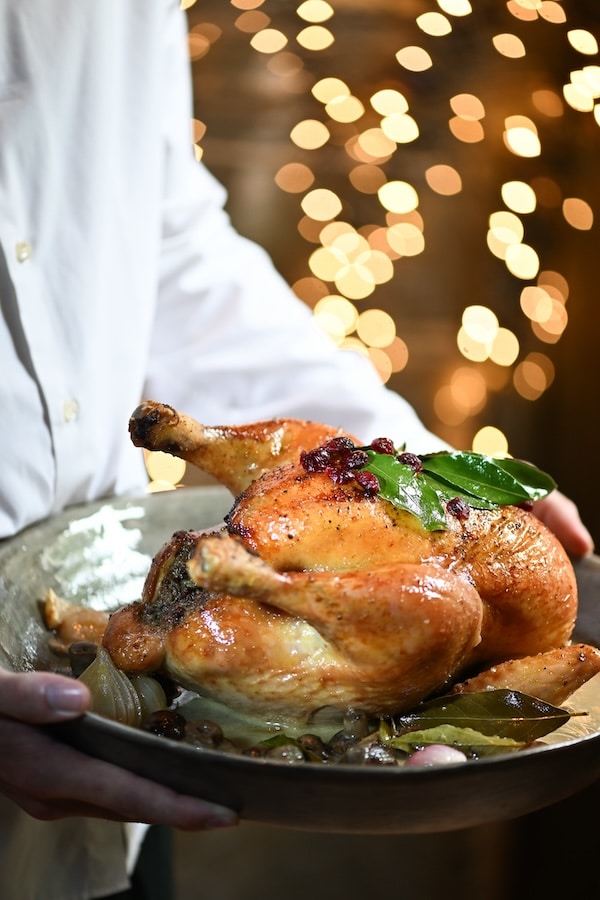
Tables are dressed with care, candles are lit, and courses unfold slowly over hours. Menus vary by region and family, but abundance is key. Duck or capon may appear, often served with chestnuts or seasonal vegetables. In the November/December 2025 issue, Franck Schmitt shares all the recipes for his full Réveillon meal including several variations on chestnut dishes.
But one culinary delicacy that is almost universally associated with Christmas in France is… oysters.
Oysters: A Christmas Dinner Necessity
To outsiders, oysters at Christmas may seem unexpected, but in France they are essential. Served raw on beds of ice with lemon or shallot vinegar, oysters symbolize celebration.

Markets fill with crates of huîtres in the days leading up to Noël, and seafood platters often featuring shrimp, langoustines, and smoked salmon are a common opening course for le Réveillon. The ritual of shucking oysters together is sometimes just as much a part of the tradition as eating them.
The 13 Desserts: A Provençal Tradition
In Provence, Christmas desserts take on almost mythic importance with les treize desserts which are the thirteen traditional treats served at the end of the meal, representing Jesus and the twelve apostles.
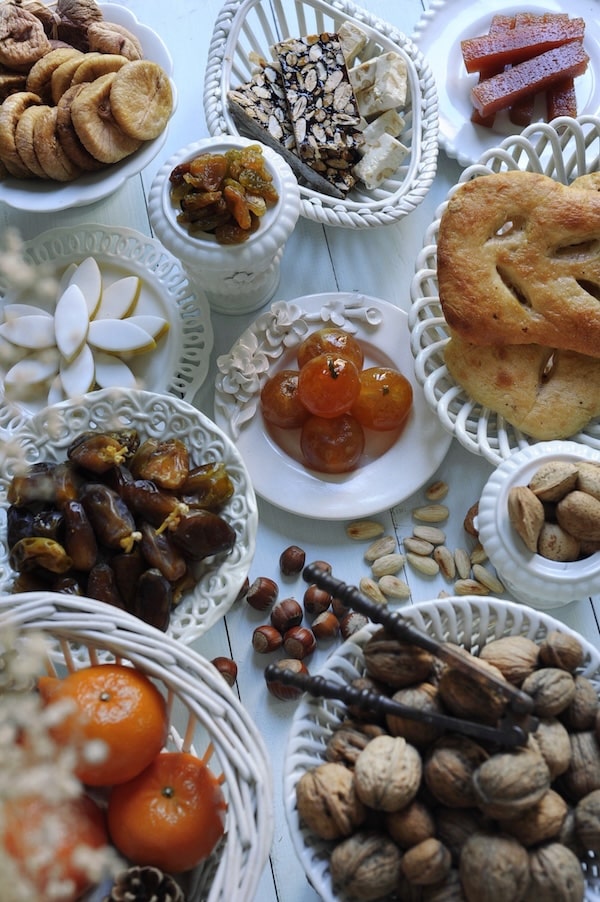
While the exact selection varies by household, the spread typically includes dried fruits, nuts, nougat, candied fruit, dates, and seasonal sweets. The desserts are laid out all at once and left on the table for several days, allowing guests to help themselves.
This tradition is less about indulgence and more about symbolism and hospitality.
Bûche de Noël: A Sweet Finale
No French Christmas table is complete without la bûche de Noël. Shaped like a Yule log, this iconic dessert dates back to the 19th century, inspired by the ancient tradition of burning a ceremonial log to bring good fortune.

Today’s bûches range from classic chocolate sponge filled with buttercream to modern interpretations. French pâtisseries compete fiercely during the season, transforming the humble log into a work of art.
Sliced and served after midnight or on Christmas Day, the bûche marks the joyful close of the feast.
A Christmas of Meaning, Not Excess
Christmas in France is not loud or hurried. It unfolds through ritual — lighting candles, attending Mass, sharing oysters, lingering at the table long after midnight. It’s about presence rather than performance.
In a world that often rushes toward celebration, the French remind us that Noël is something to be lived slowly, savored fully, and remembered long after the last candle has burned out.
Joyeux Noël!