Photo by Joanna Maclennan
The kitchen pantry — a quietly practical space — has largely slipped from modern conversation. As apartment living became the norm, kitchens grew smaller and food habits shifted. The pantry, once essential for storing vegetables and dry goods, was often the first casualty: a leftover from another way of cooking, deemed unnecessary in an age of convenience.
In France, however, the pantry remains very much alive. It may be modest — an improvised cupboard or a dedicated niche — but it continues to play an important role in everyday life, where meals are prepared daily and home cooking is still rooted in the seasons. Produce comes and goes with the market calendar and ingredients are bought with care rather than in excess: root vegetables in winter, kept cool and dark; onions and garlic hung to dry; apples are stored away from light; while in summer, jam jars, preserves and pickles line the shelves, ready to serve the colder months ahead.
SUBSCRIBE TO THE MAGAZINE
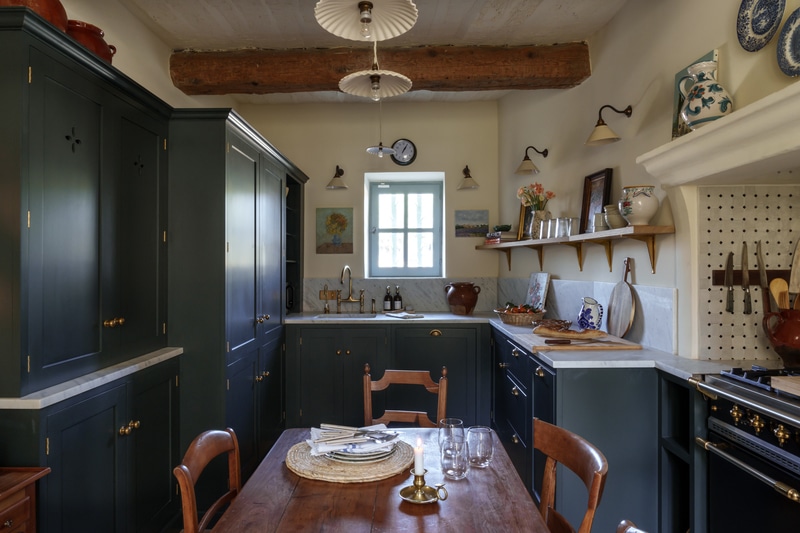
French pantries come in all sizes. In larger country houses and châteaux, they are often full rooms, designed to cope with long tables and many mouths. In Parisian apartments, the pantry is typically more discreet: concealed behind a door or curtain rail. What matters is not scale, but organization: knowing how to store food, to keep it fresh and easily accessible. Visibility matters, as does airflow. Items are grouped logically, replenished often and rarely overstocked. Storage methods are time-tested rather than decorative, using domestic knowledge handed down from generation to generation.
Materials also matter. Plastic is largely absent, replaced by glass, wire, wicker and linen. Many opt for vintage vessels, but the key: nothing is too precious. Nevertheless, when organised thoughtfully, the pantry can become one of the most attractive areas of the home, where function creates order, and order creates a sense of calm, even in the smallest spaces.
Read on to discover our preferred methods for creating this quintessential set up at home….
**If you see something you like available from the MFCH Boutique, use the code MFCHMAG10 at checkout in the boutique to get 10% off your order!
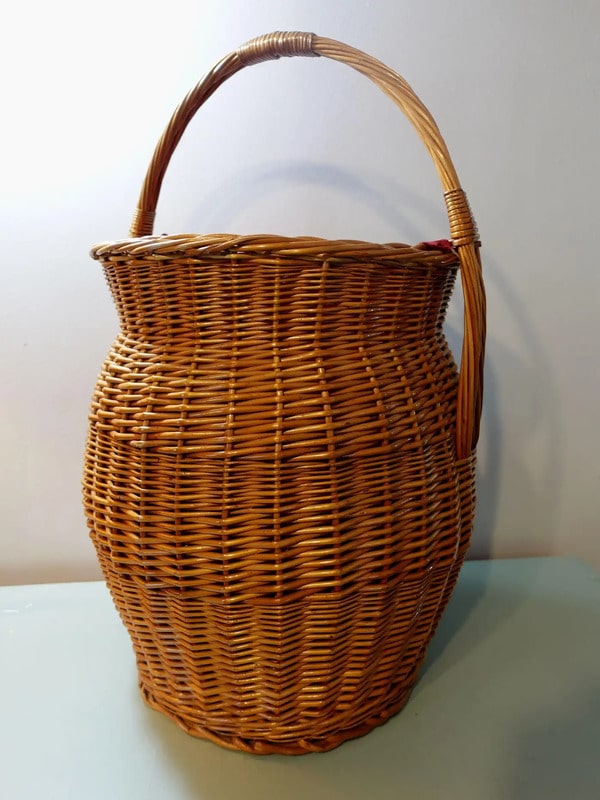
Wicker baskets
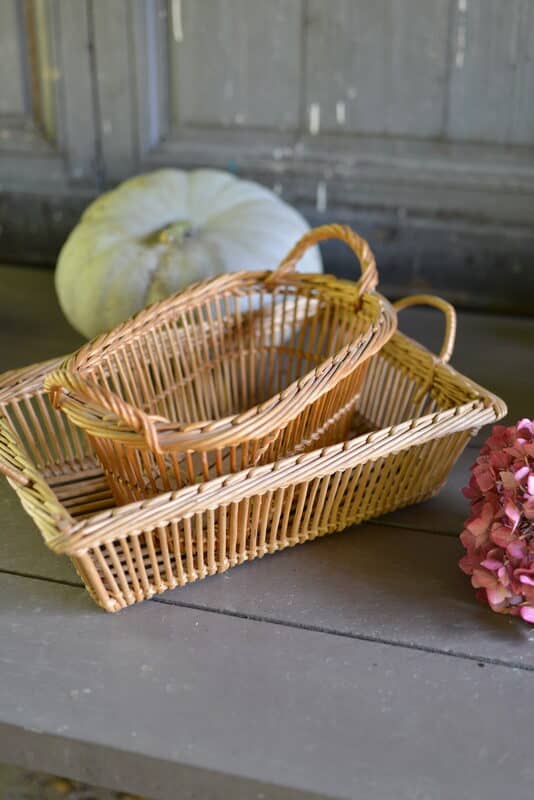
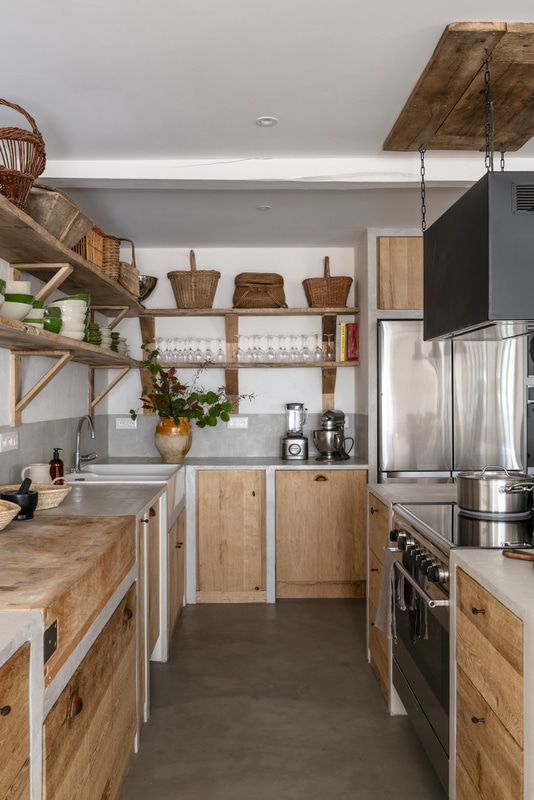
Wicker baskets are endless adaptable. Ina French pantry, they’re normally used for loose fruit and vegetable, such as onions, potatoes, apples, and garlic, as wicker allows air to circulate, preventing rot. While modern baskets are often sized to fit shelves exactly, avoiding dead space, large antique models also work well, and can be placed under worktops, keeping items grouped and accessible. In smaller pantries, look for shallow baskets, which work best on tight shelves.
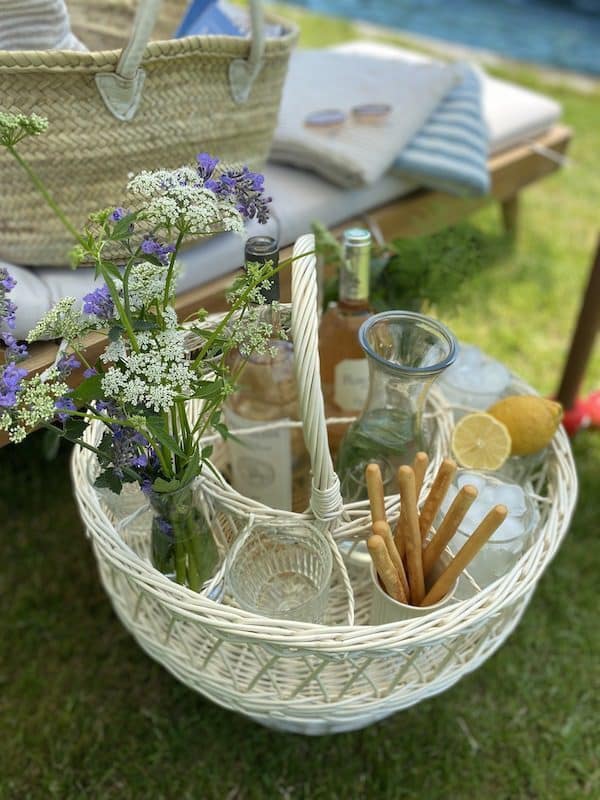
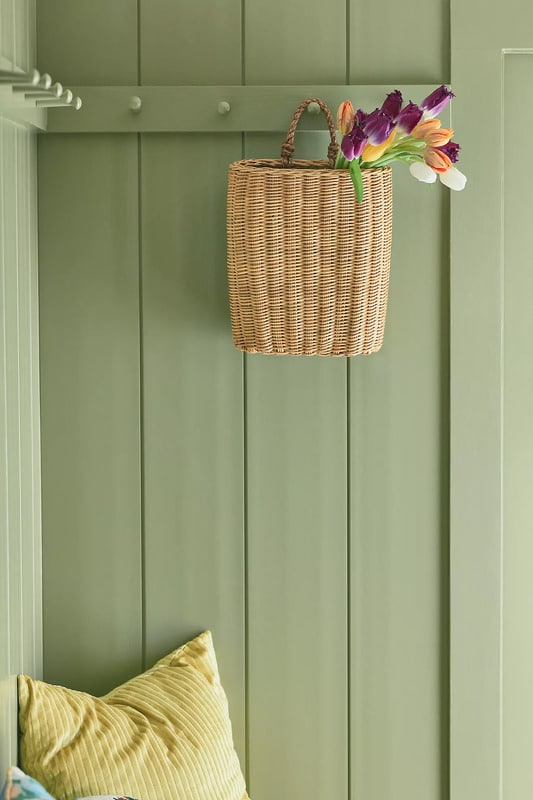
Glass and stone jars
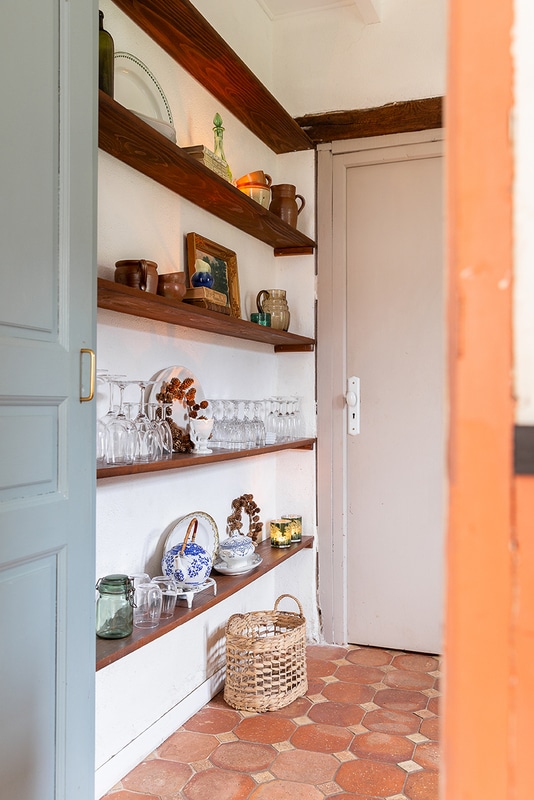
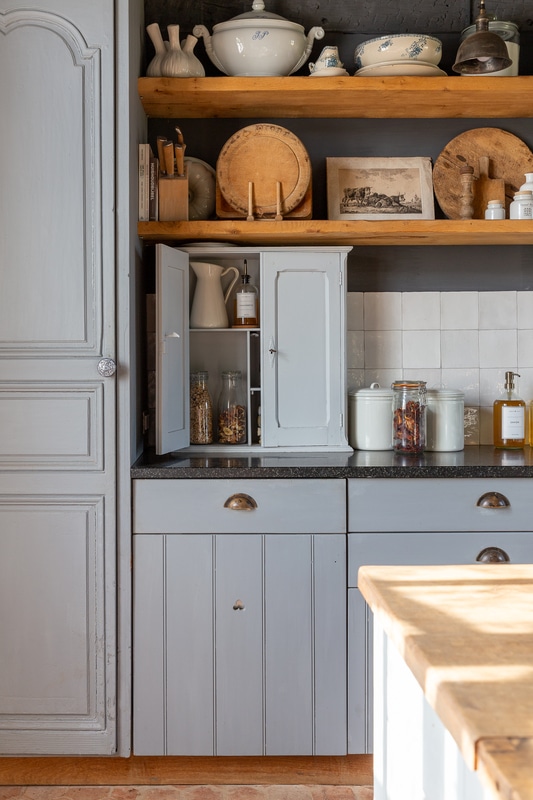
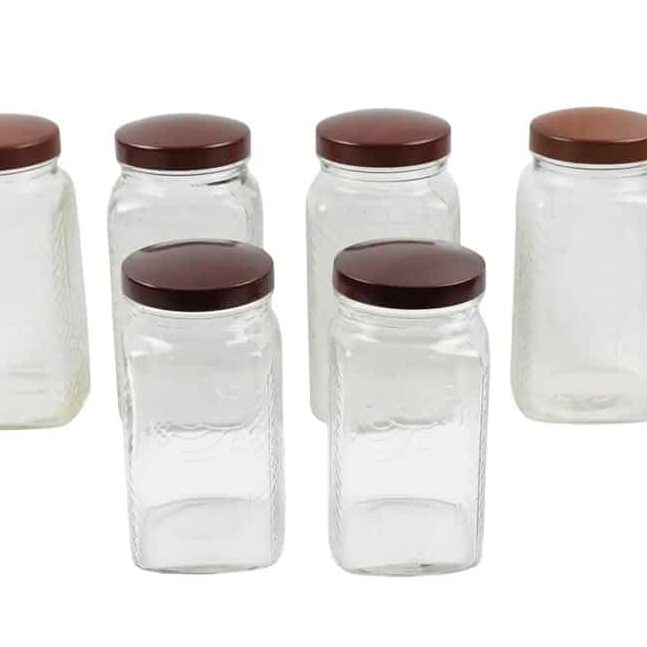
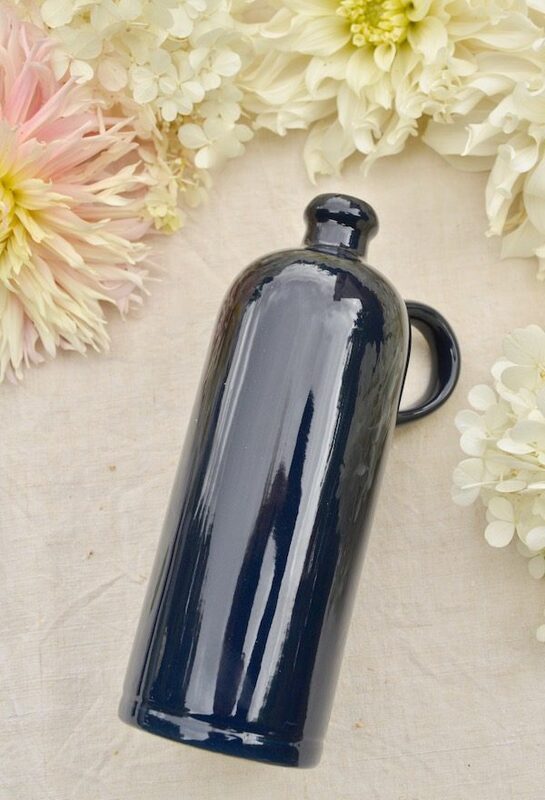
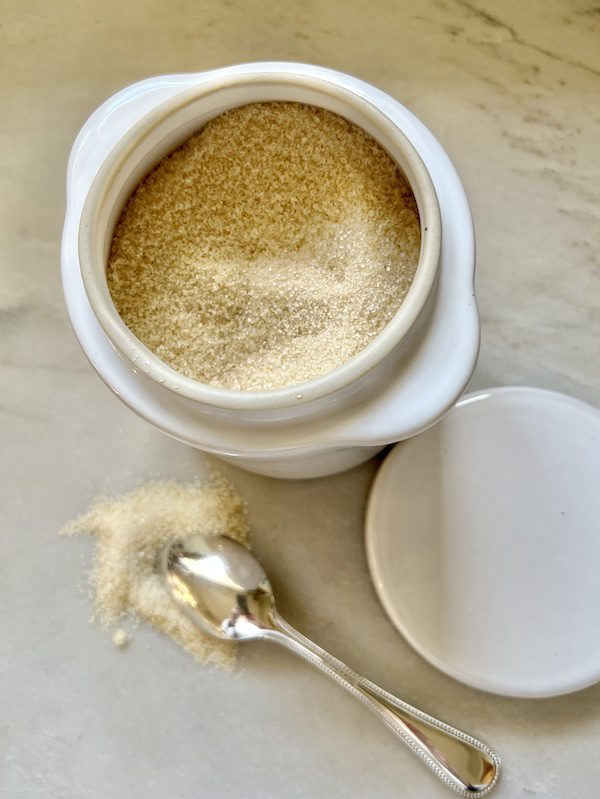
Clear glass jars remain a staple of the French pantry. Used for dry goods — like lentils, rice, flour, sugar, nuts — they allow quantities to be assessed at a glance and encourage regular refilling rather than overbuying. Vintage stone jars with cork stoppers are also a common feature, keeping ingredients cool and safe from pests.
Tip: Don’t be afraid of mismatching sets. Organized in rows or curated in small clusters, they add a touch of French country charm to your kitchen cupboards.
Cloth bags
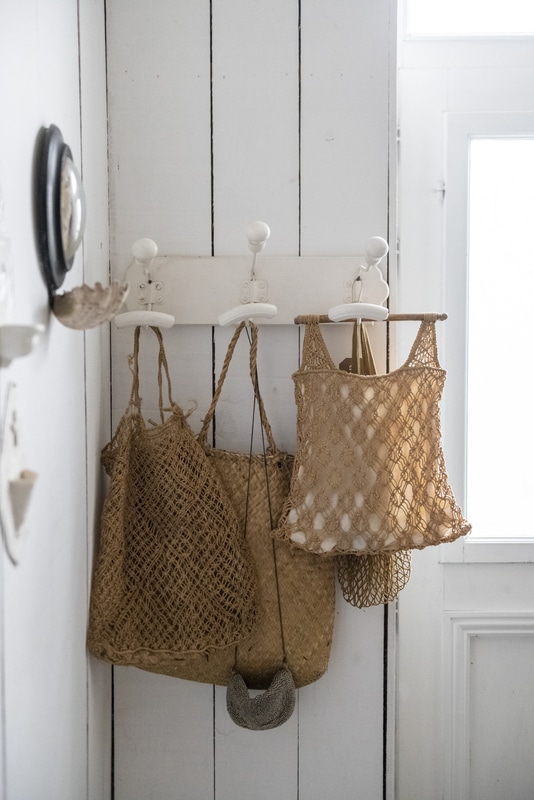
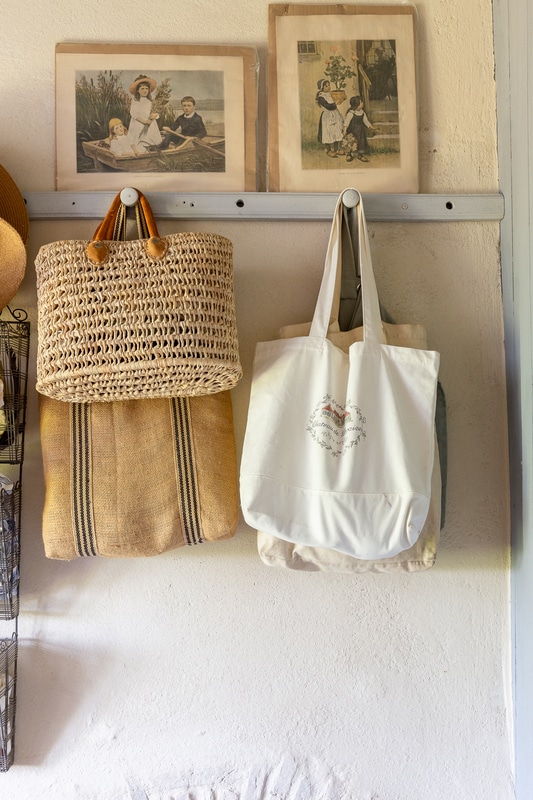
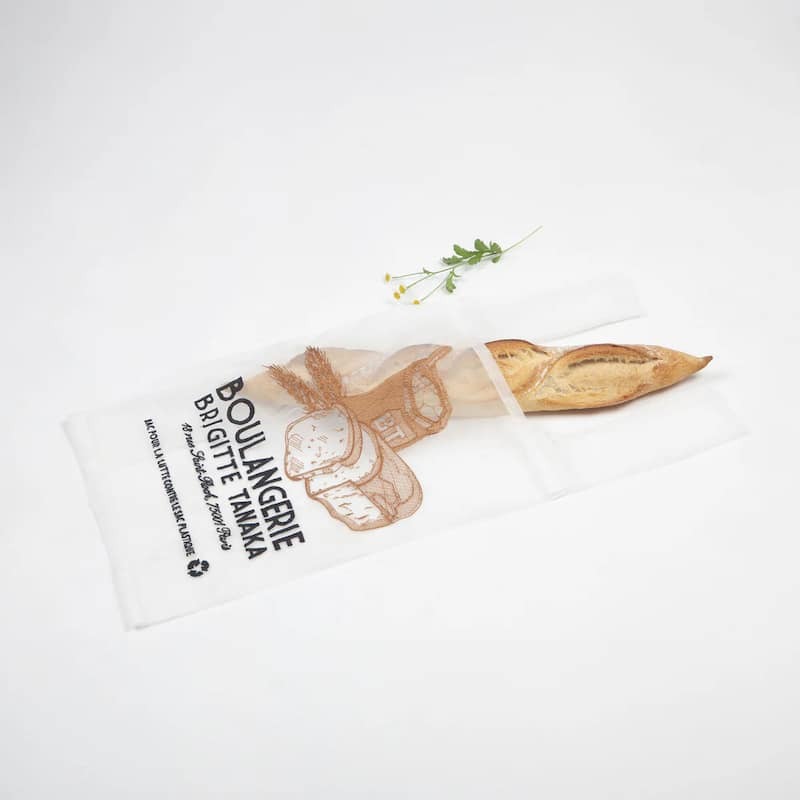
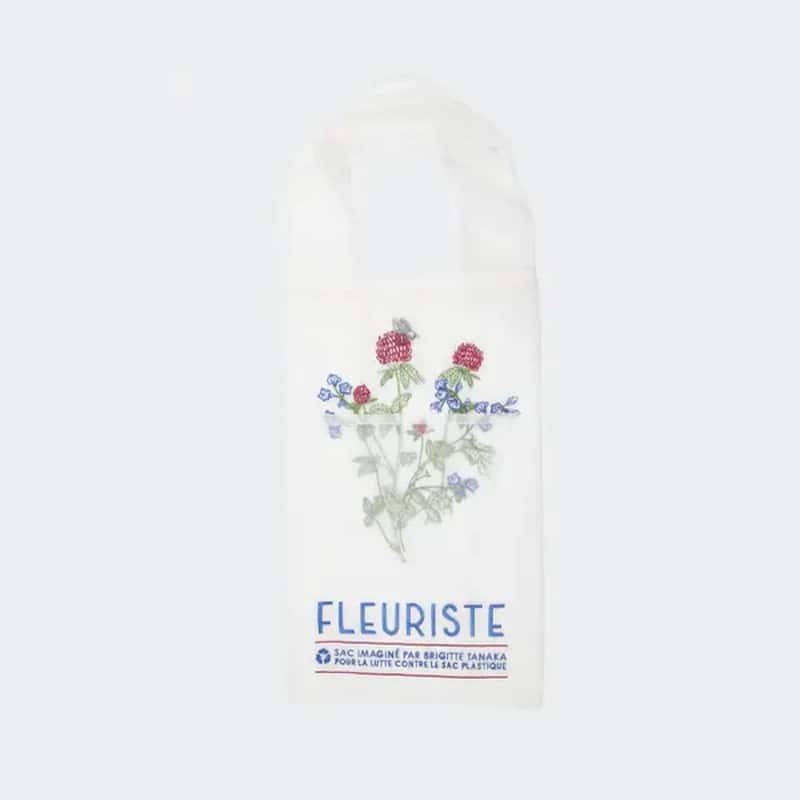
For breads and pastries, the French turn to linen or cotton bags. These protect without trapping moisture and fold away easily when empty — ideal for smaller kitchens. Hung from hooks, stored in shallow drawers, or nestled within baskets, they make for both a practical and pretty way to keep daily items close at hand, yet out of the way.
Tip: String bags are a staple sight at French markets, tucking away easily and adding a pop of color to the pantry.

Stackable wire baskets
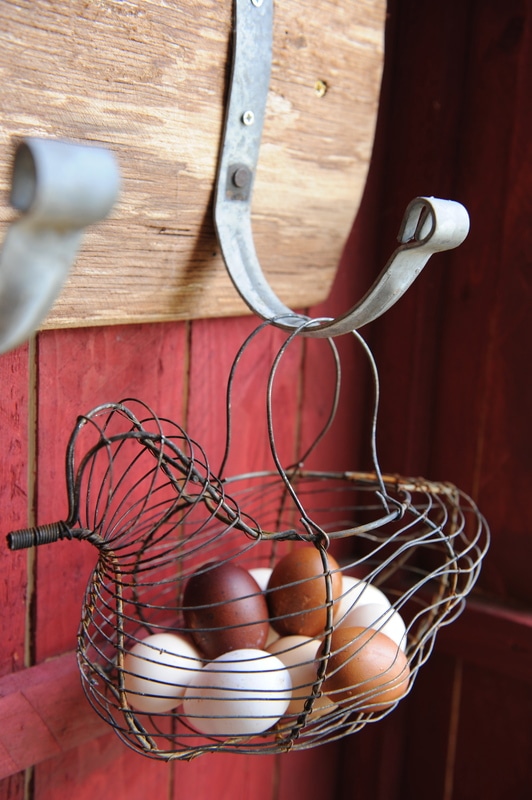
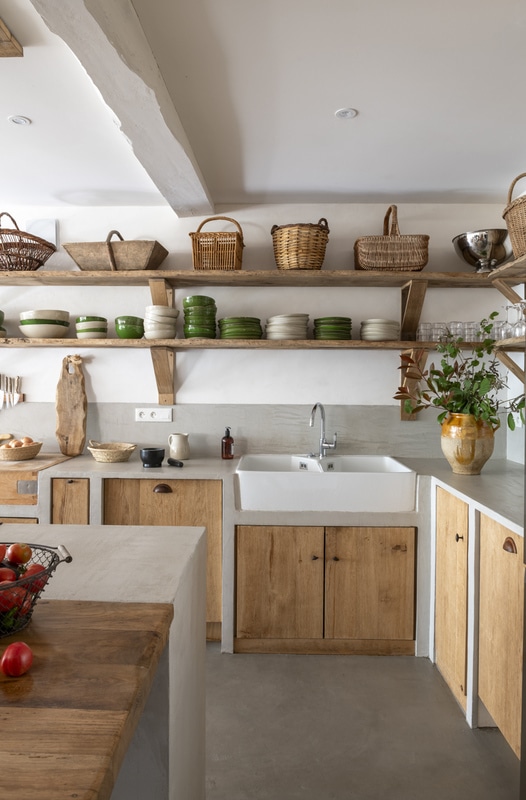
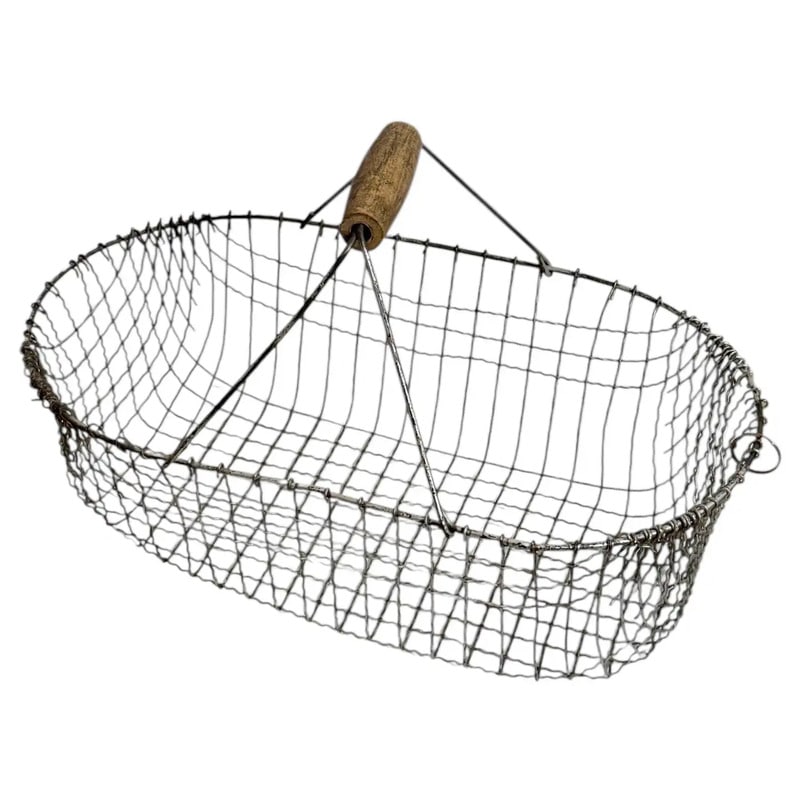
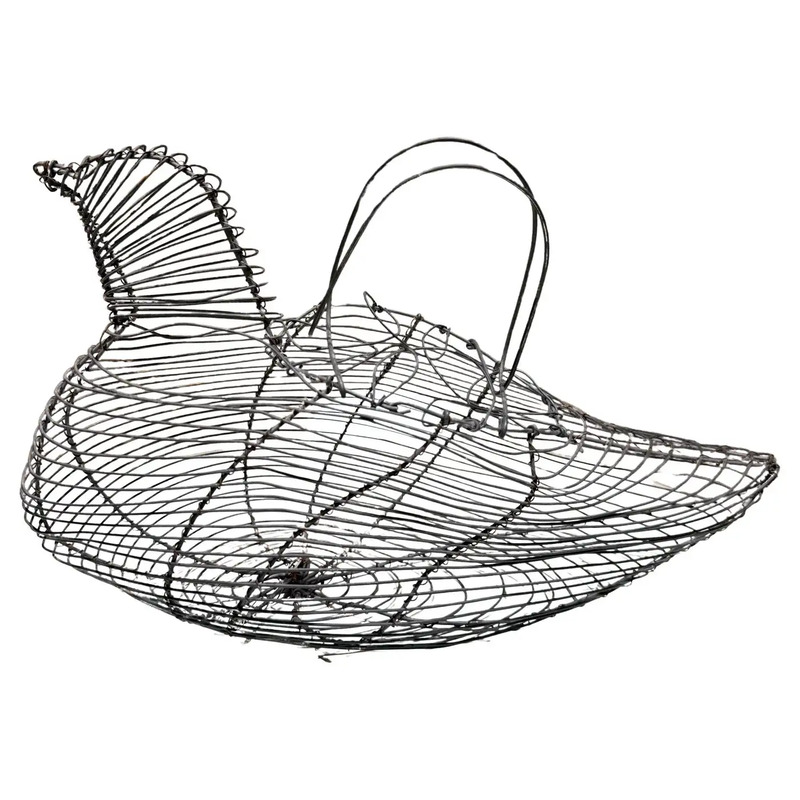
Mainly used in farmhouse style kitchens, antique wire baskets are particularly useful, offering visibility, airflow and a sense of nostalgia. Some are even stackable, helping to make the most of vertical cupboard space. Use to group tins, jars, produce that benefits from circulation, or anything that needs to be kept visible — their open structure keeps things from disappears, or being forgotten.
Mountable wall storage
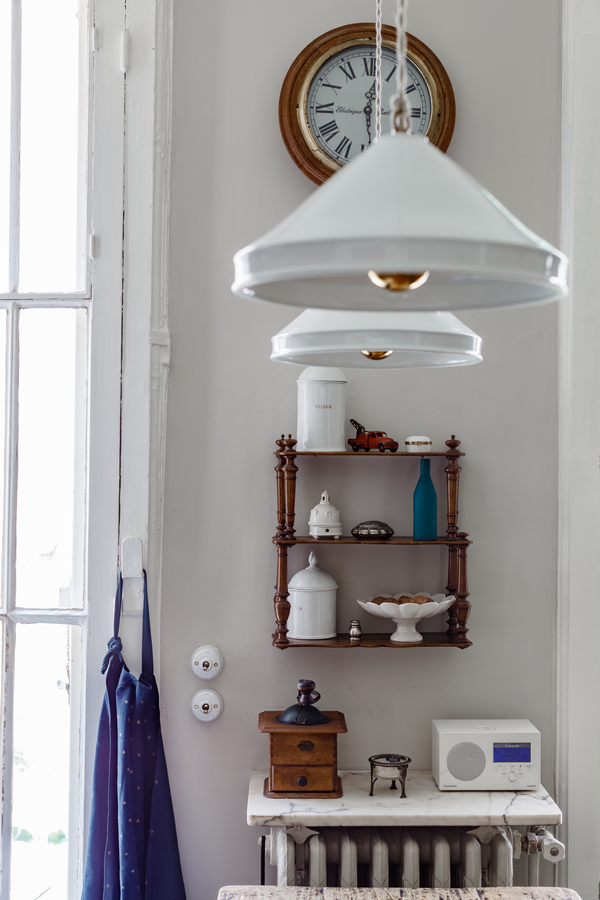
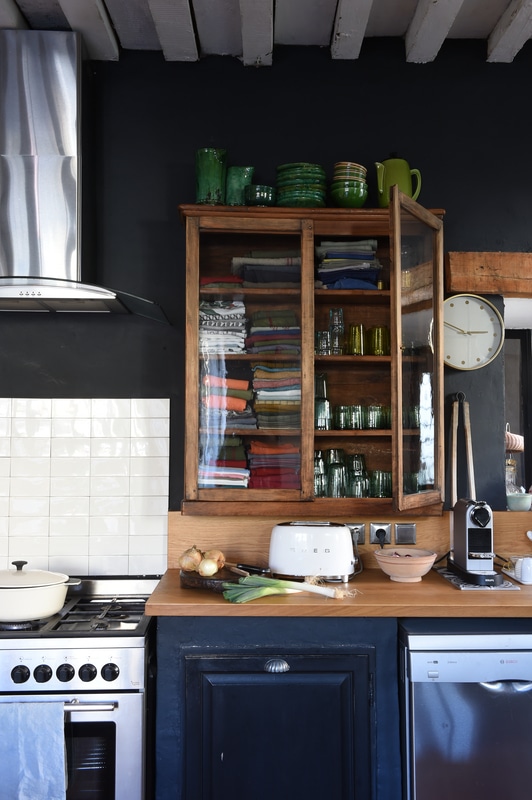
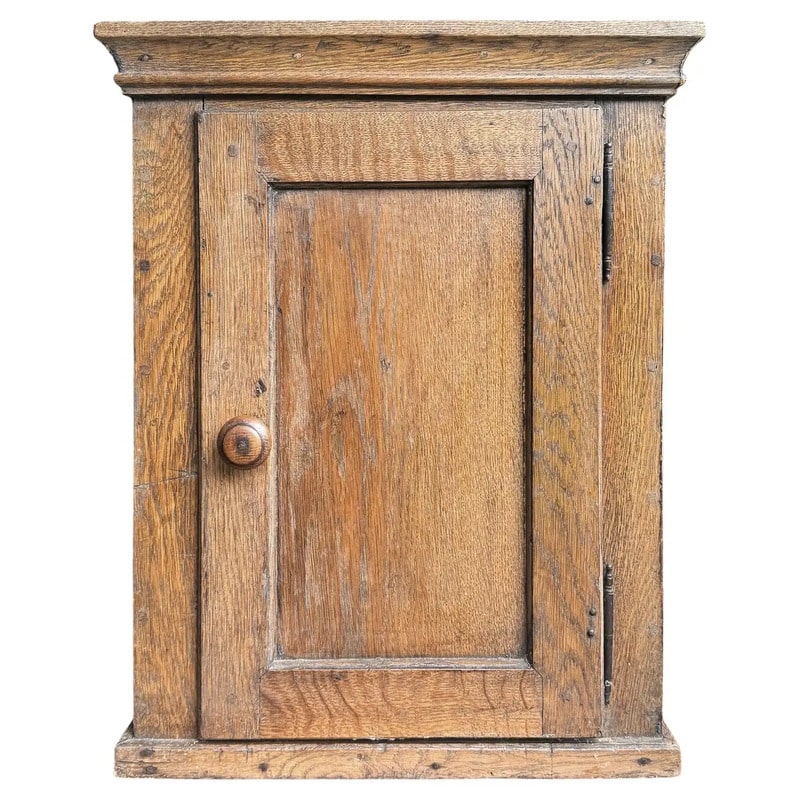
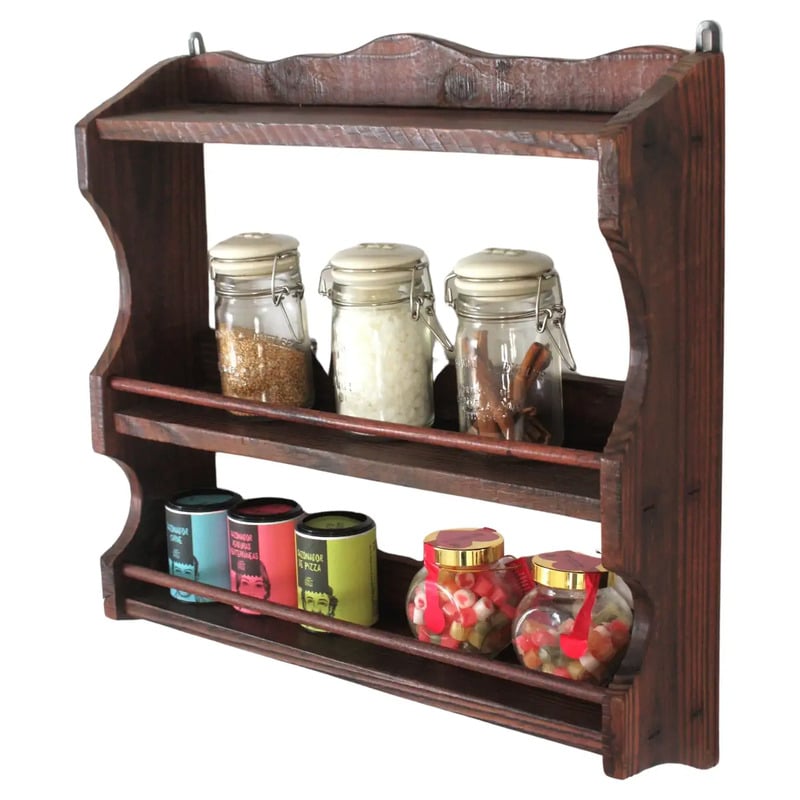
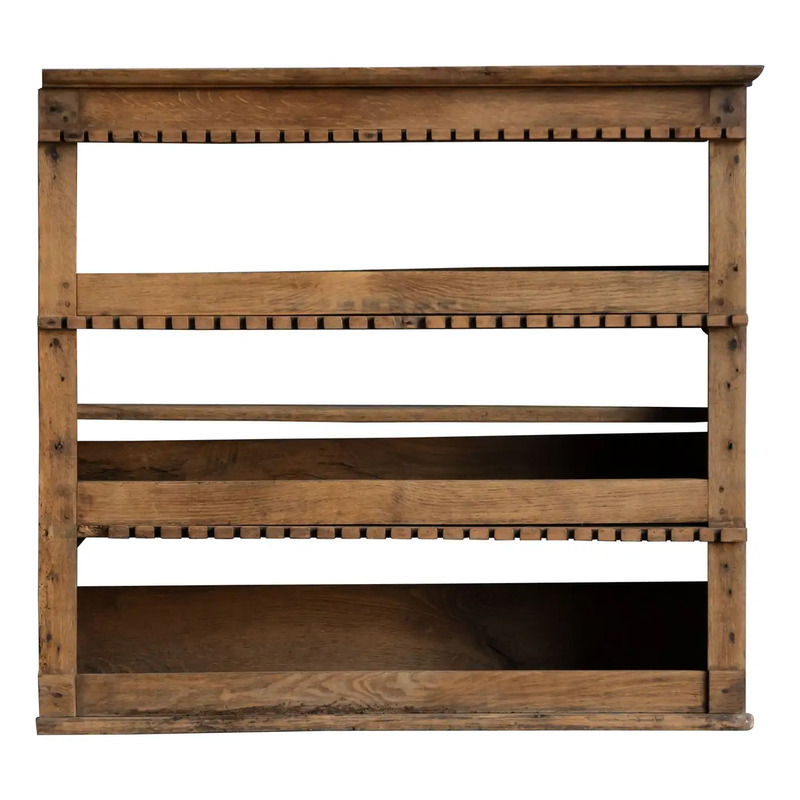
Finally, small or open-fronted wall cabinets are a great addition to a pantry space, increasing storage without adding visual weight — particularly important in small rooms. Mounted above worktops or slotted into narrow, awkward gaps, they’re perfect for storing eggs, ceramics, or spices, and can even function as a mini pantry in their own right.