Photo by Yann Deret
When browsing French interiors for inspiration, it is easy to focus on color, notable pieces, or historical periods at play. Yet there is another element the French handle particularly well — one that, when overlooked, can leave a space feeling slightly flat. That element is texture.
SUBSCRIBE TO THE MAGAZINE
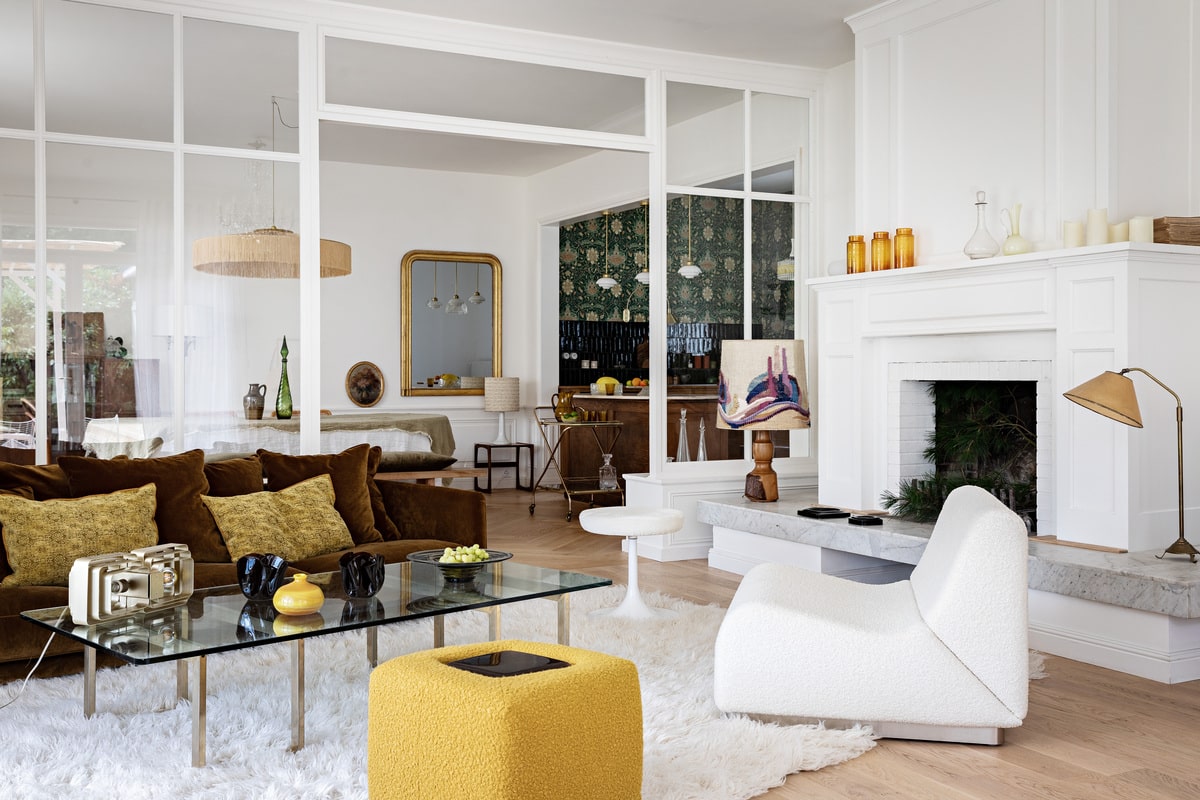
Texture is what brings depth to a room, determining how light moves within a space. From linen to lacquer, ceramic to glass, each material absorbs and reflects light in a unique manner, and striking a balance between this softness and structure is one of the guiding principles of interior design, helping to create rhythm and atmosphere.
When textural interplay is mastered, it can often distinguish a space from one that seems merely assembled, to one that feels properly considered. Color palette may remain restrained — even close to monochrome — yet through the layering of different surfaces, finishes and fibres, a room can still provide nuance, contrast and complexity.
Here’s how to explore depth and texture at home:
Use the code MFCHMAG10 for 10% off your purchase on the MFCH Boutique!
Consider Weight and Visual Presence
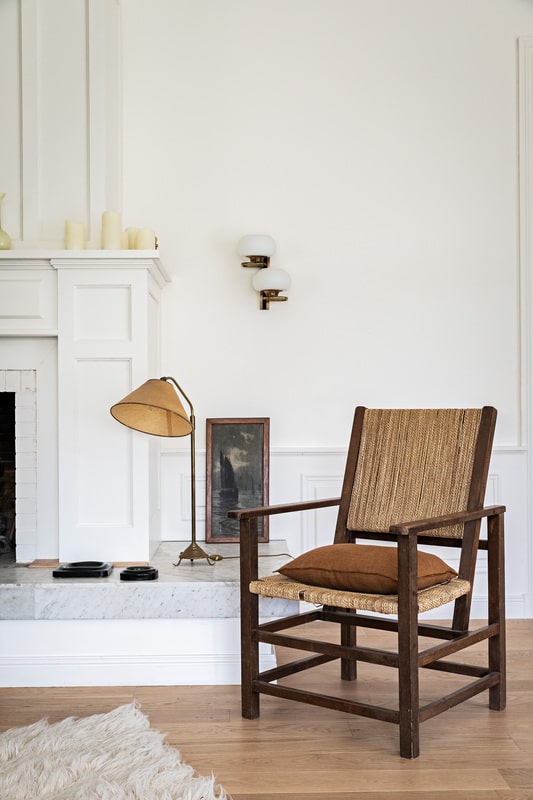
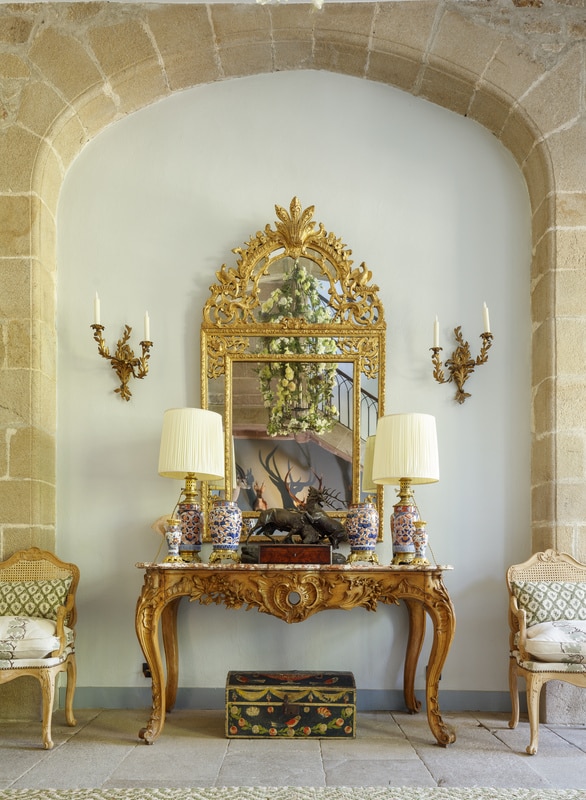
The first step to adding depth to a room is to consider the visual weight of different materials. Most rooms benefit from a mix of materials, some that bring heaviness, and visual and tactile density, and some that add lightness. Start by assessing which are the heavier elements in your room — hardwood flooring or furniture, or dense wool curtains and carpets. These demand presence and hold the eye, so place them on your floorplan first. Next, asses where you need to balance that weight with lighter or more reflective elements, such as sheer voile, silk, glass or metal. The key is not to commit entirely to one end of the spectrum, but to allow heavier elements to anchor the space while lighter ones soften it.
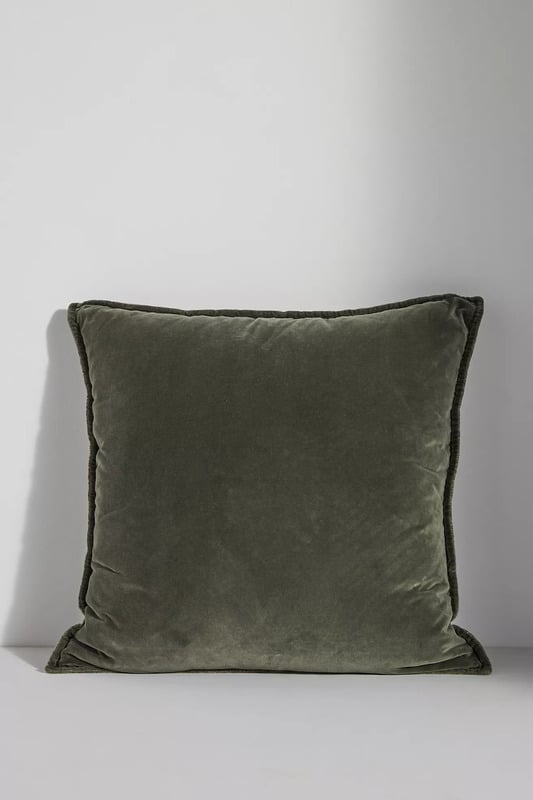
In practice, this also means taking the architectural elements of the room into consideration. French farmhouses with substantial stone fireplaces in their living room might benefit from delicate décor, such as elegant antique chairs with fine cotton upholstery. In a more modern apartment without detail, heaviness might needed to be added in with a deep-pile rug or velvet sofa. Its all about finding an overall balance, where nothing feels overworked nor insubstantial.

Add in a Layer of French Textiles
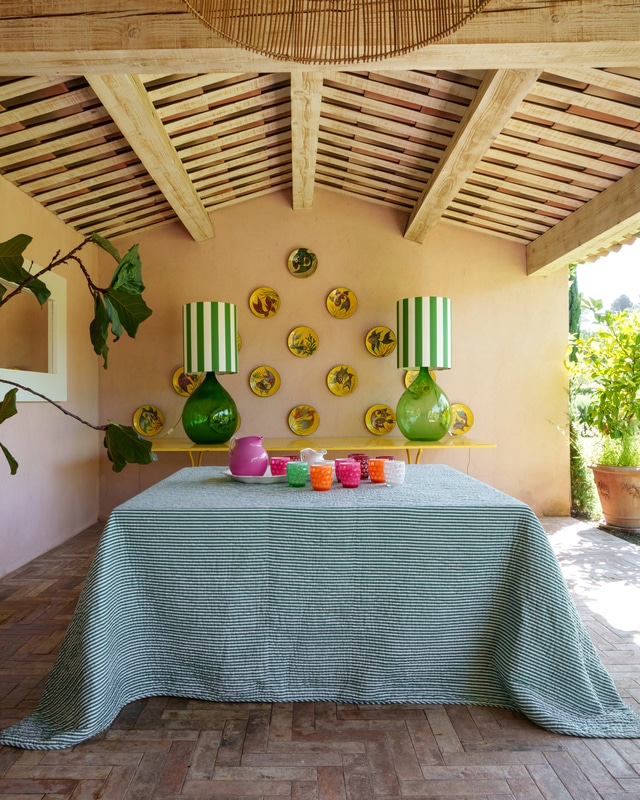
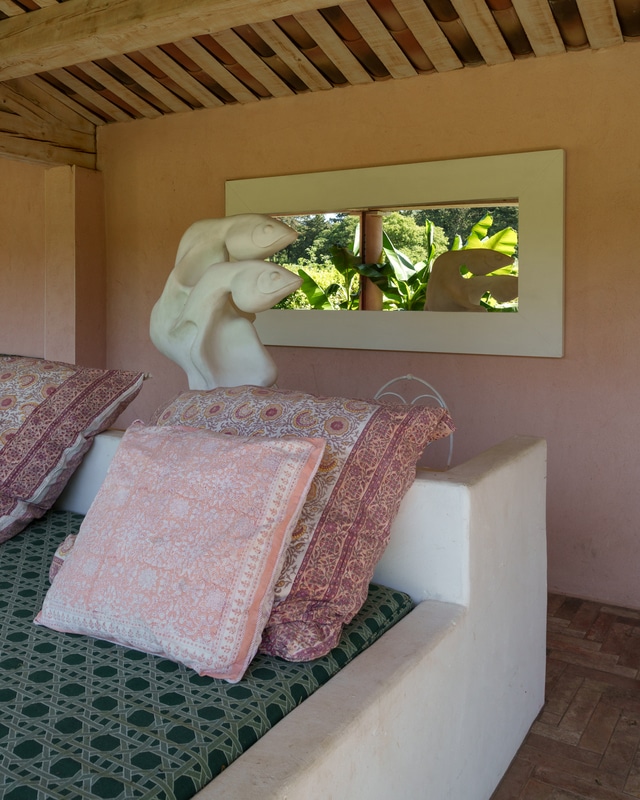
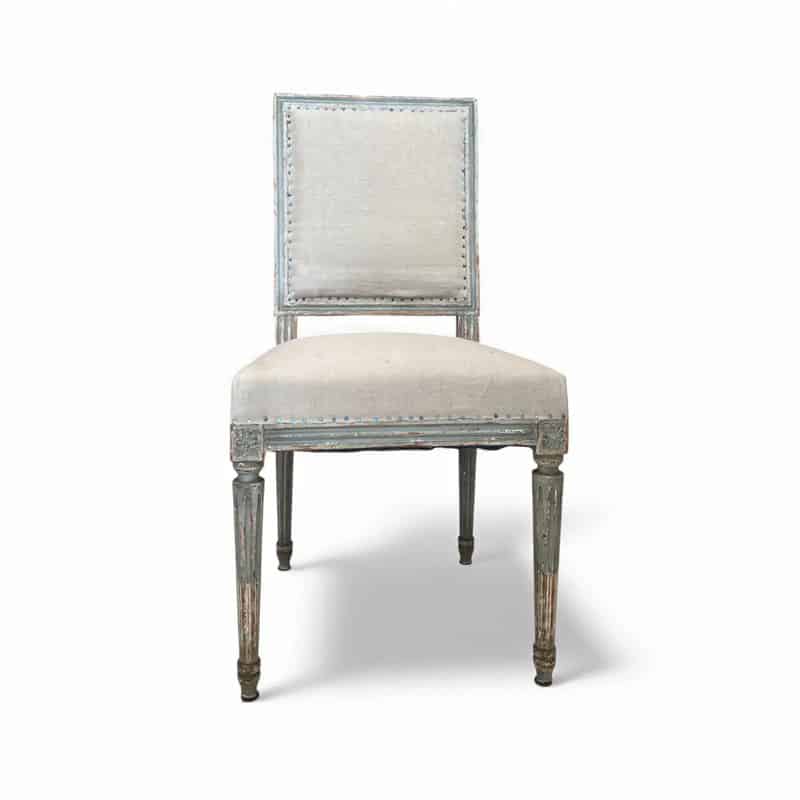
One reason French interiors seem to master depth is the textiles that they use. Textiles can add both weight and lightness depending on how they’re used. However, they are most compelling when they are varied. Rooms that rely too heavily on a single type of fabric or finish can feel flat, even if the materials themselves are beautiful.
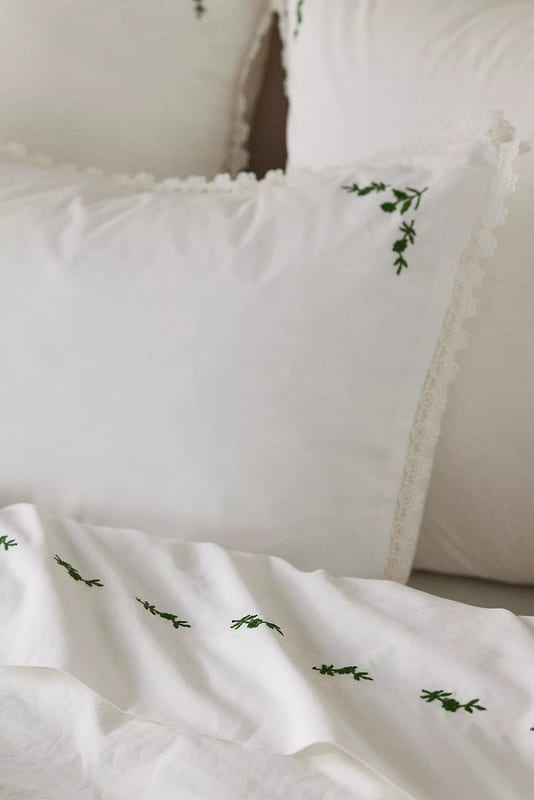
French interiors favor a subtle mix. Even within a neutral scheme, you’ll often see a mix of weaves, finishes and patina within the fabric choices. Washed linen — creased, matte and irregular in grain — is a firm favorite in bedrooms and living rooms, often set against tighter cottons or more structured upholstery fabrics. The difference may be subtle, but it registers, and helps creates a sense of ease in a space.
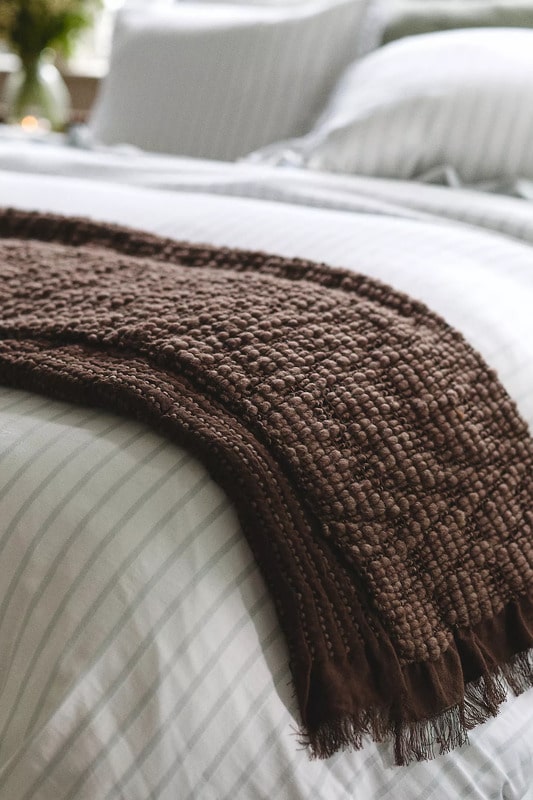
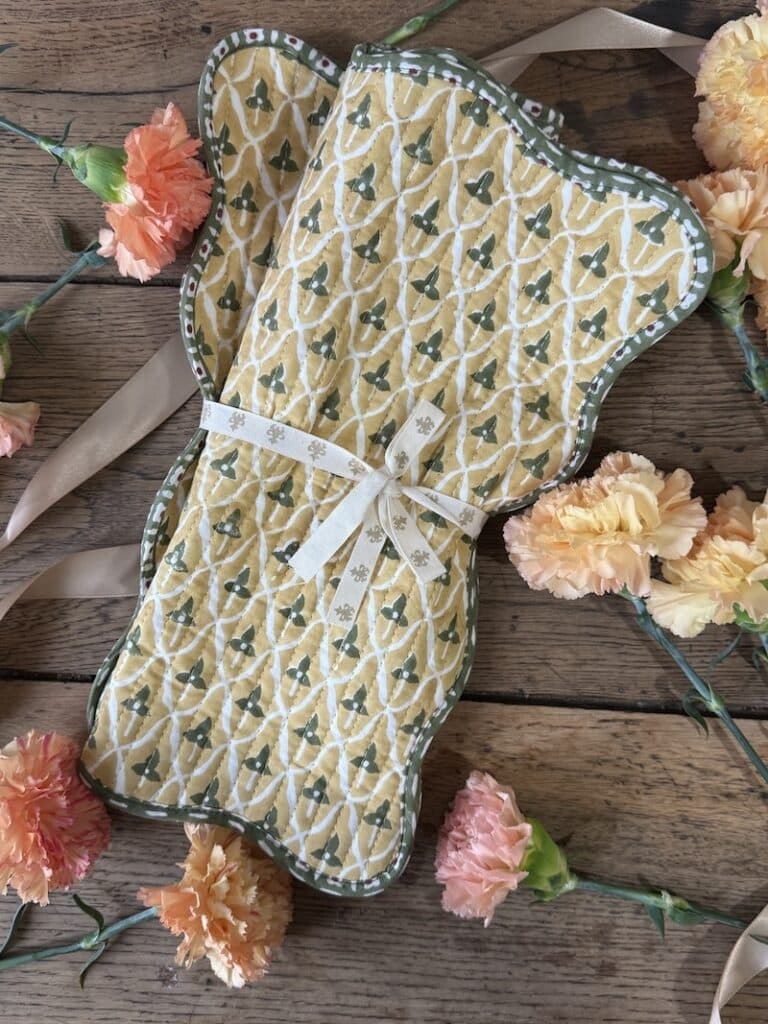
In the south, one might find Provençal prints on quilts or pillows. Mixed sparingly into the palette, their faded tones and joyful patterns add softness without overwhelming the room. Elsewhere, a simple toile or rustic stripes introduces rhythm. Again, the key to creating depth lies in variation and contrast: a nubby curtain beside a smoother upholstered seat, or a wool throw against a crisp linen sheet.
Choose Contrasting Materials
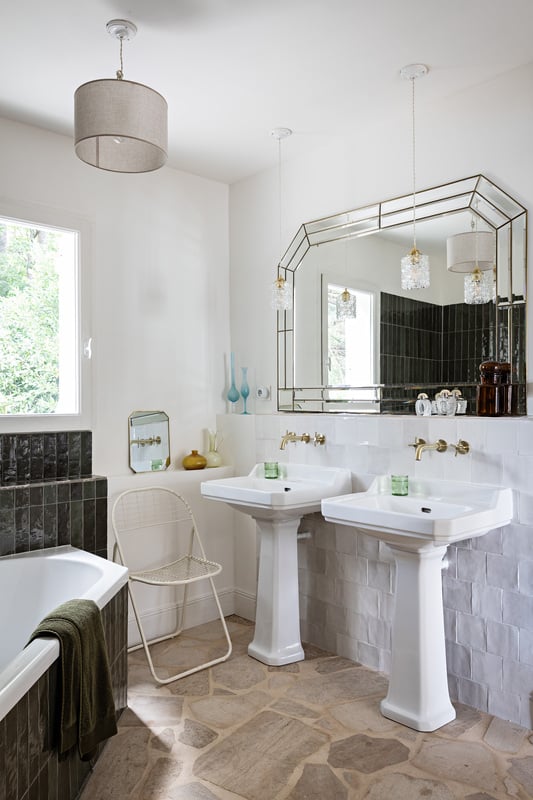
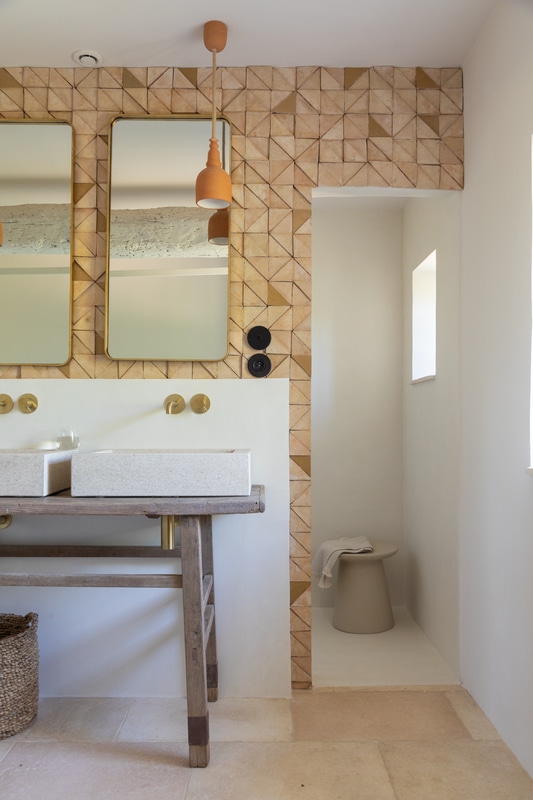
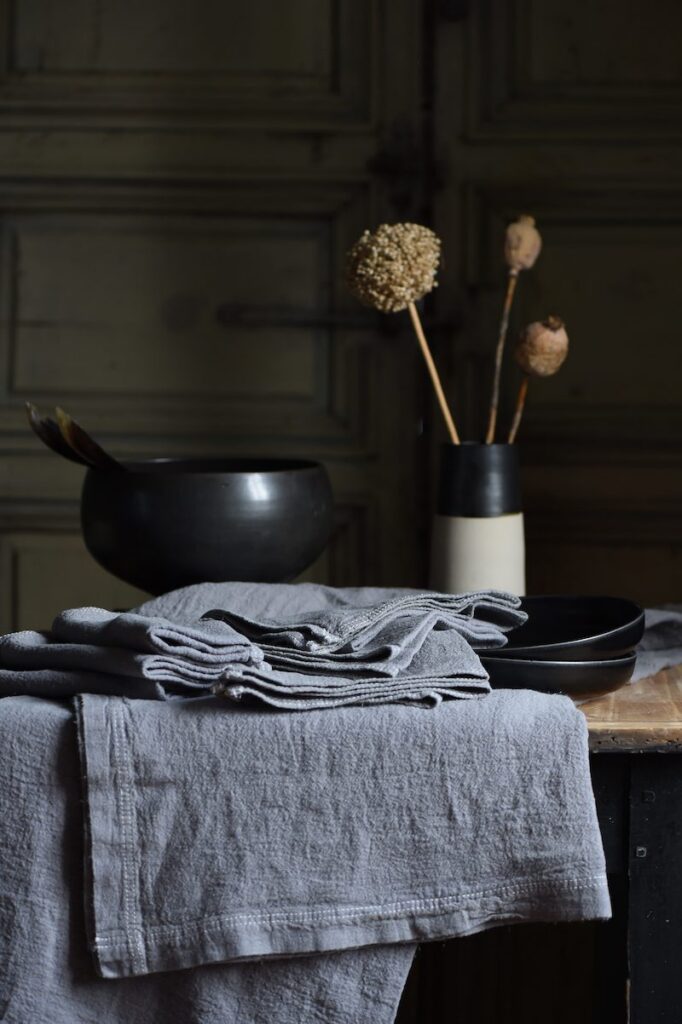
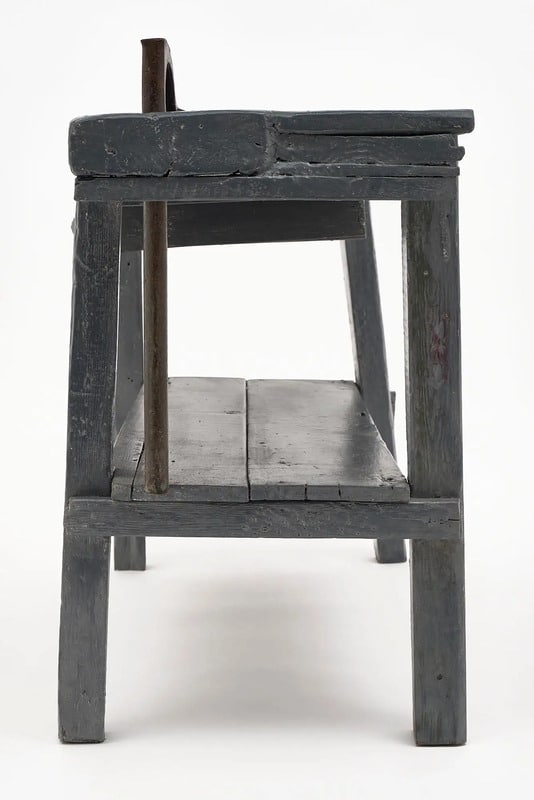
Perhaps most distinctively, French interiors rely on a dialogue between different materials. The easiest way to do this is by carefully selecting your final furniture and décor pieces. Take a look at what your space is still missing. Oak, walnut and strong grained wood bring warmth. Stone and marble introduce cooler, more solid notes. Metals (most often aged brass or iron) add structure without sharpness. Ceramics, whether glazed or left raw, offer pleasant irregularity in surface and tone. And patina — visible signs that the materials have aged — bring a welcoming, settled feeling.
A sleek elements also have their place. A glass lamp, a lacquered surface, or even more contemporary materials like acrylics or plastics can have a place when placed in counterpoint to more traditional finishes. The aim is not necessarily eclecticism, but measured layering, where each material enhances the presence of the next.

Don’t Forget Walls and Ceilings
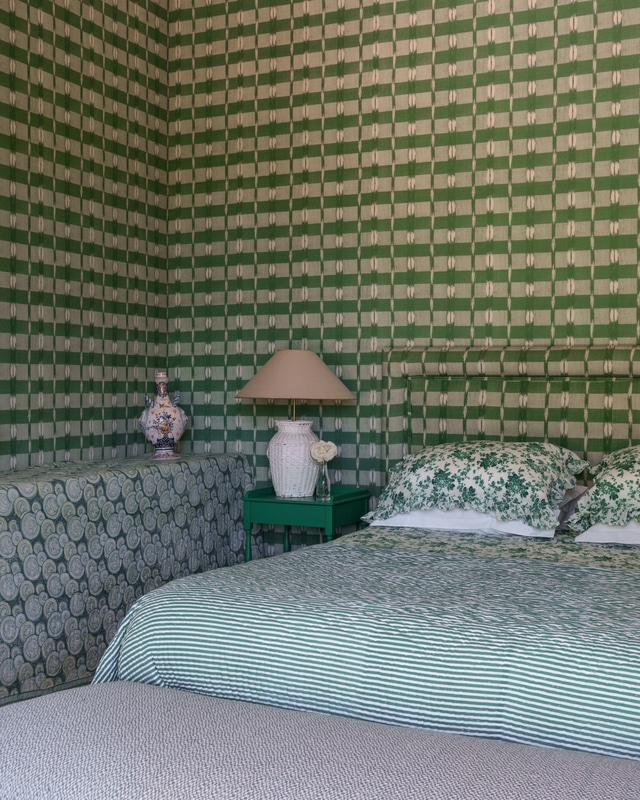
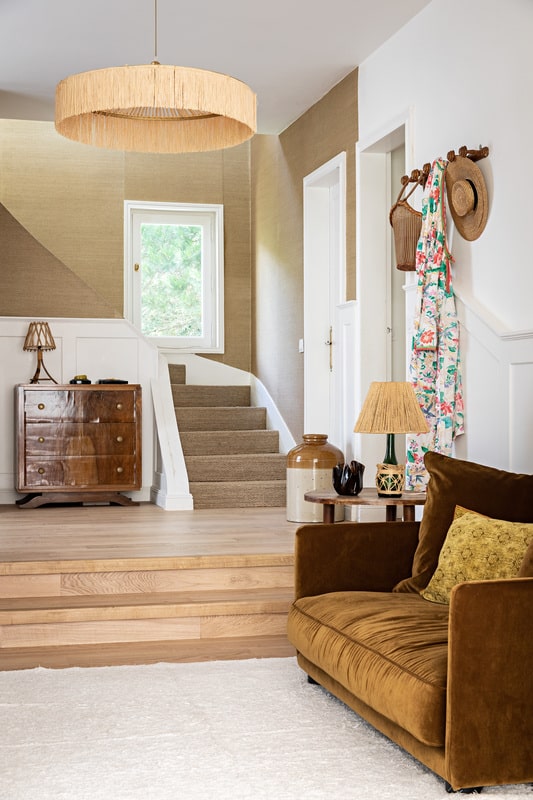
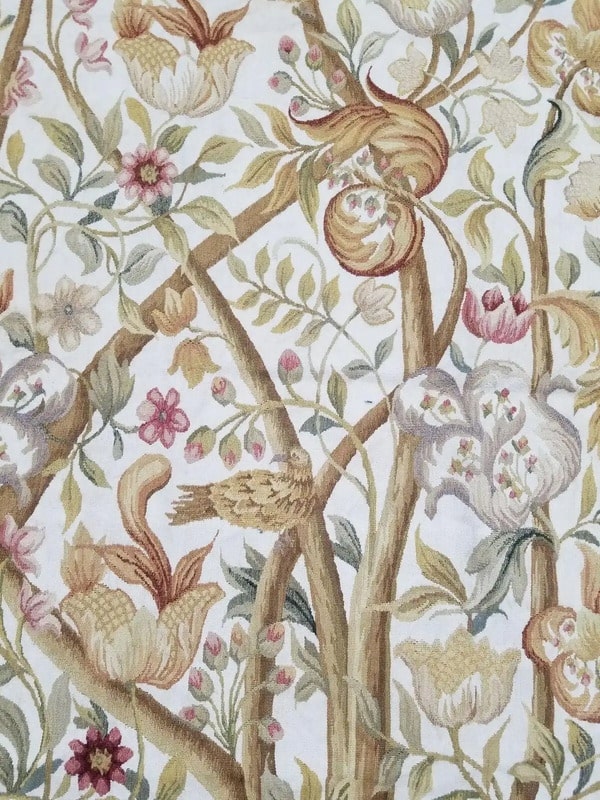
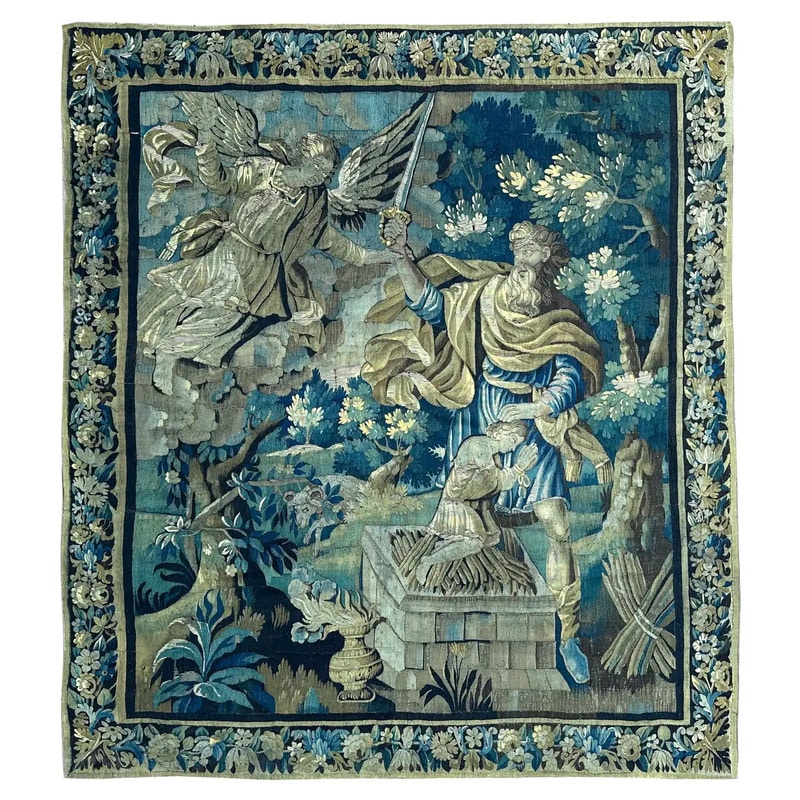
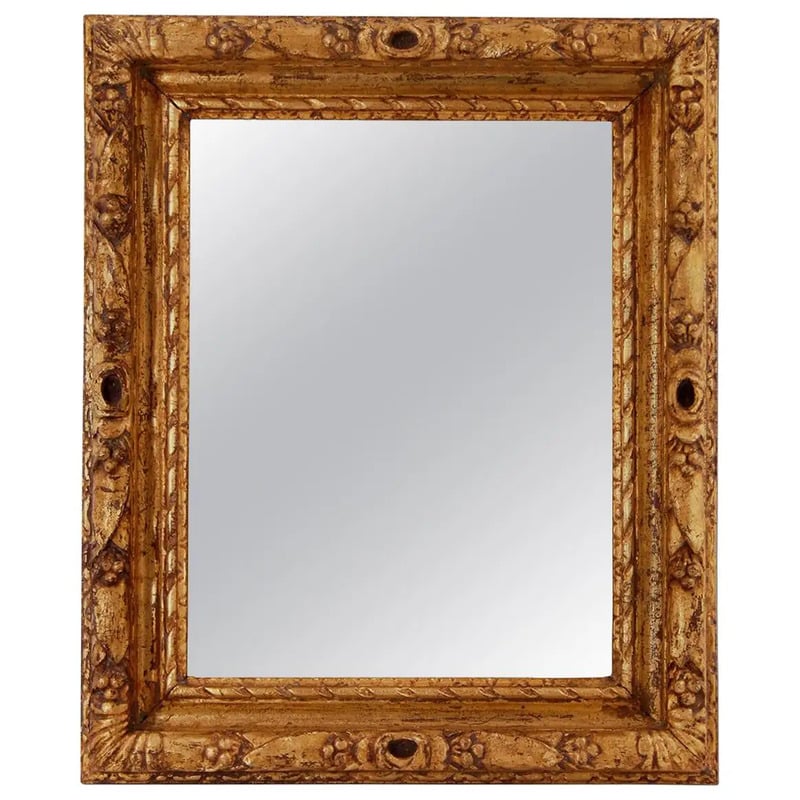
Finally, make sure not to overlook your walls and ceilings, where finish can greatly impact depth. Matte paint will create a different feel to reflective gloss, while raw finishes like plaster or stone will always be warmer than polished surfaces. Wallpaper, fabric wall coverings and tapestries can also be used to deepen a space, while large mirrored surfaces will help to add a sense of expansion. Make sure to look at the original features of your space for guidance: exposed beams, panelling, or stained glass are often intentional choices that work with the space to create cohesion and depth. These elements are worth respecting and adapting to your current design.