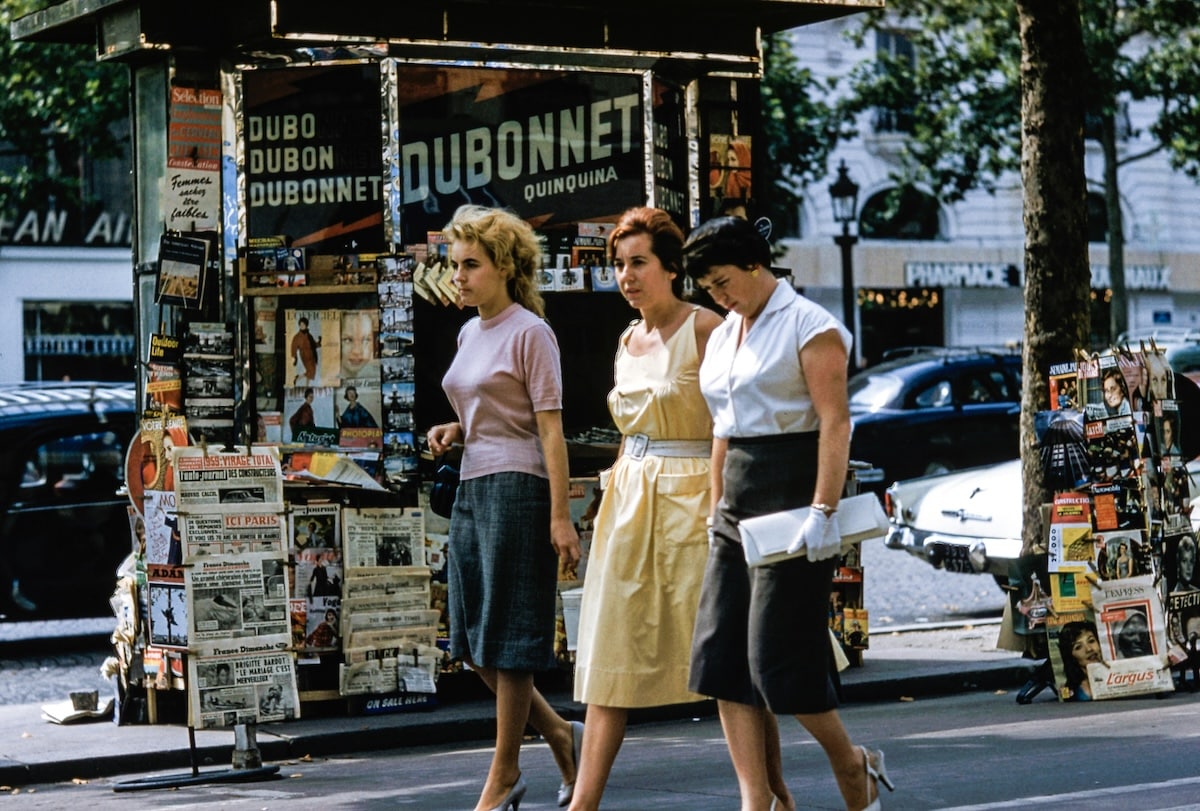
Photo by Les Anderson
Parisian fashion has never been about uniformity. It’s shaped by moments in history when women — and men — redefined how clothes could mirror identity, mood, and place. To embrace French vintage style today is to wear not just garments but memories: echoes of salons and ateliers, of sidewalks in Montmartre and grand soirées along the Seine.
In an age when fast fashion churns through trends in weeks, French vintage style offers something more profound — a dialogue with the past that feels utterly of the present.
SUBSCRIBE TO THE MAGAZINE
Here’s a look at the identifying markers of three French fashion movements that defined much of the 20th century. Take inspiration from the past to dazzle in the present.
The Roaring 20s: Loose Lines, Poised Frames
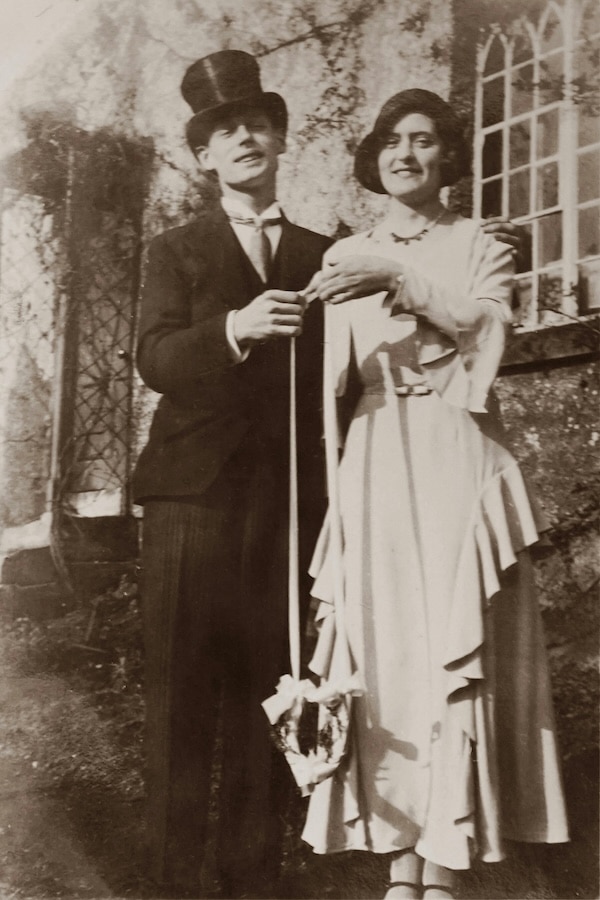
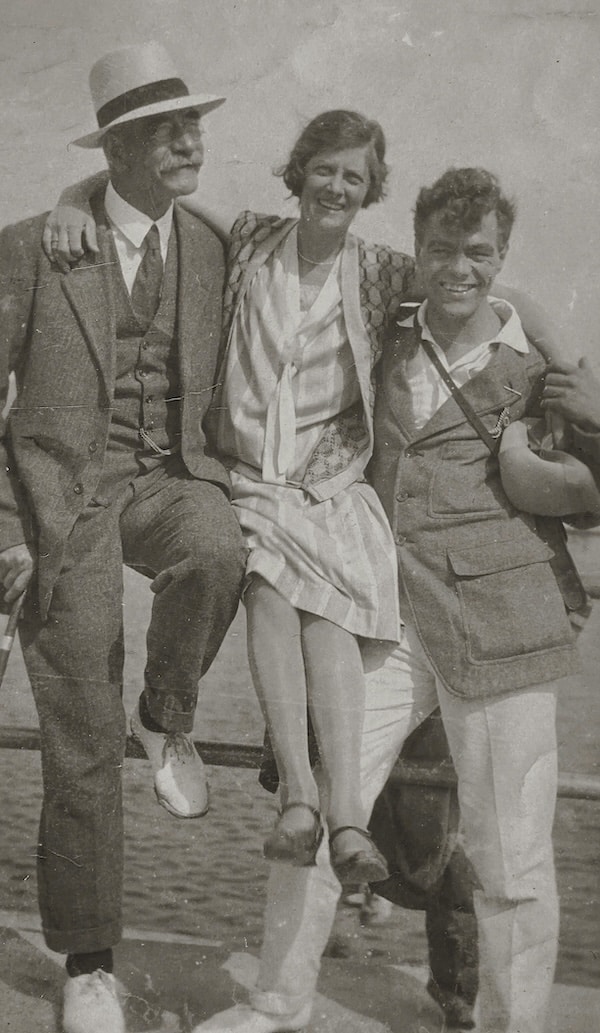
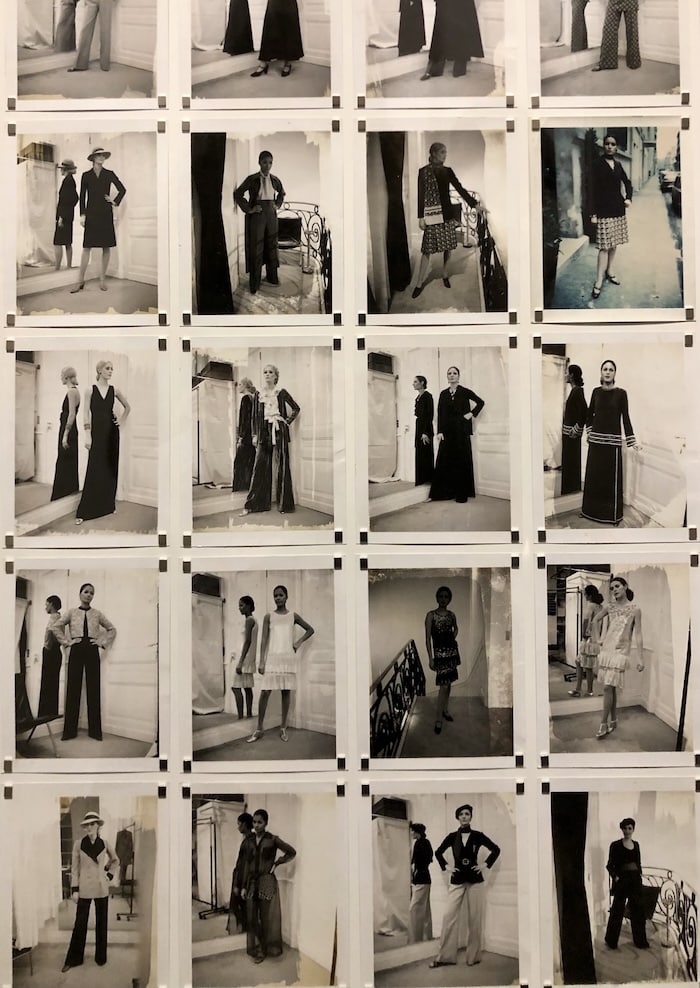
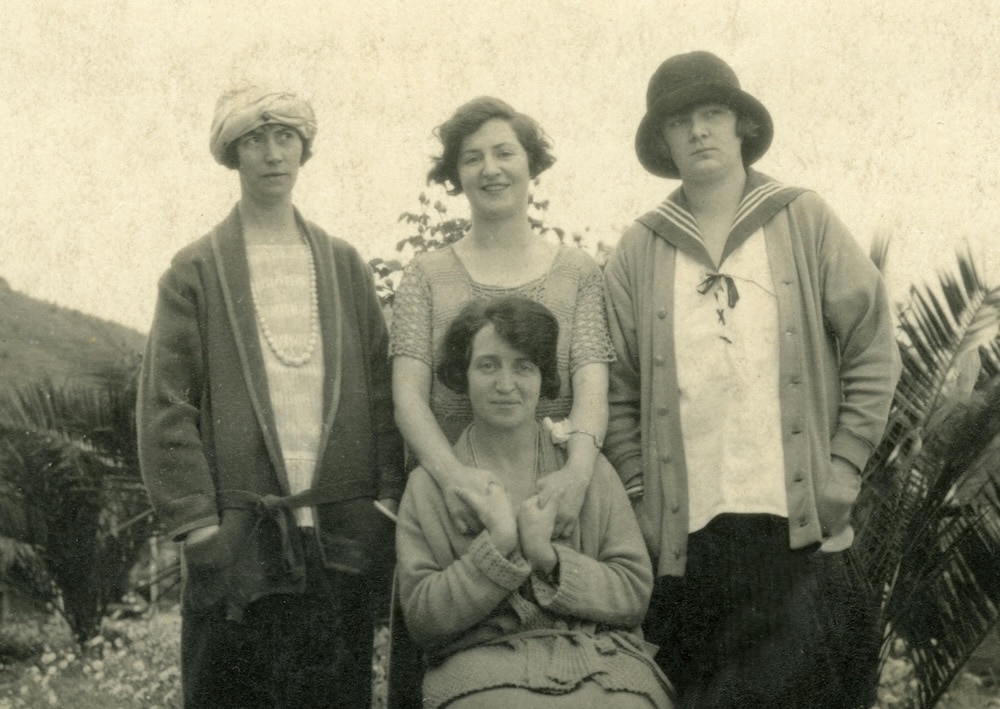
The decade after the Great War (les Années Folles in French) was a moment of liberation and reinvention. A silhouette that encapsulates this shift is the drop-waist shift dress — simple in shape, yet dramatic in presence. Think of the young women strolling down cobblestone streets with cigarettes balanced in long holders, scarves tumbling from short bobs. The strength of line and ease of movement in these dresses reflected new freedoms — in work, in life, and in self-expression.
This spirit lives on in modern interpretations that retain that effortless drape and sculptural purity.
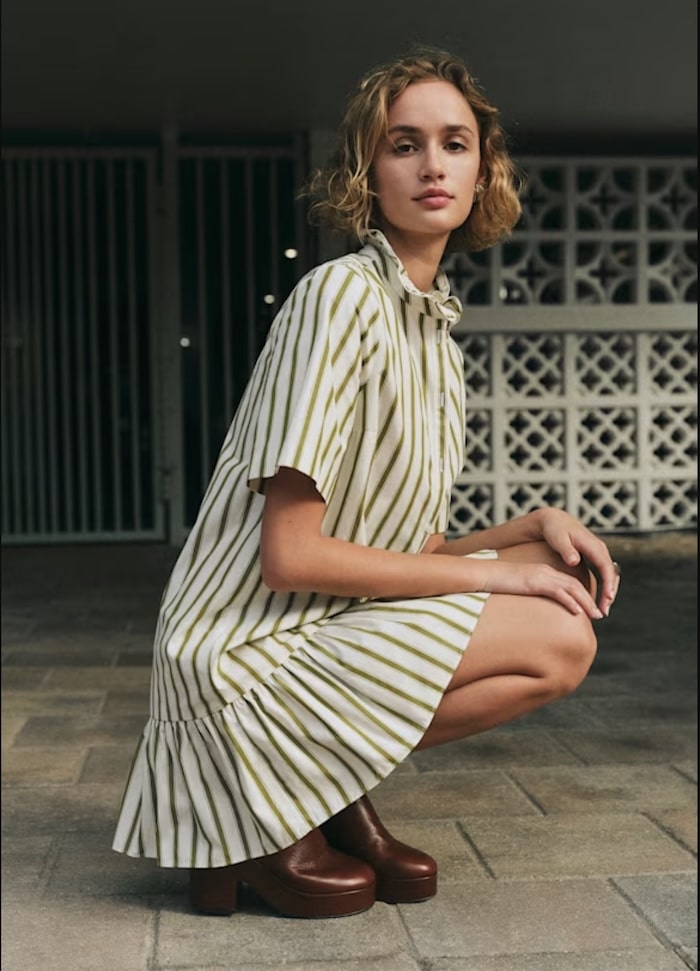
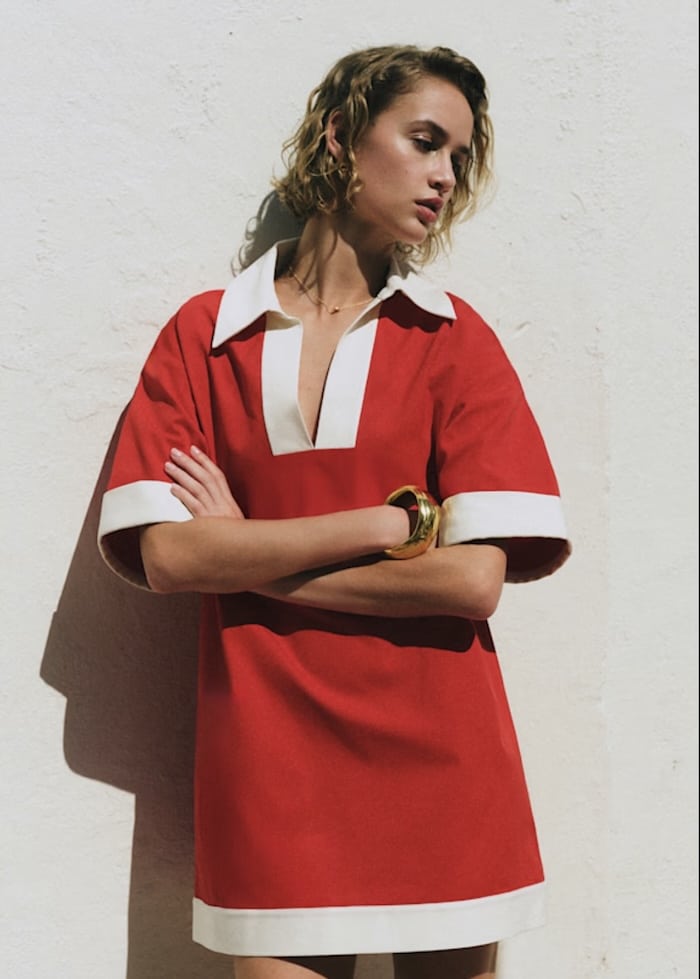
The New Look: Waist Defined, Shoulders Poised
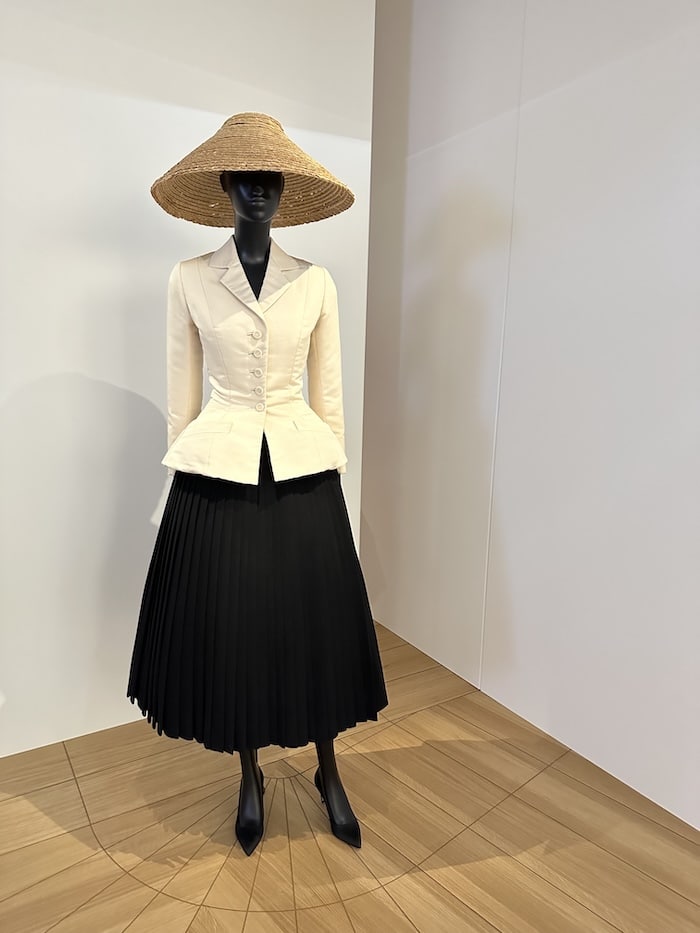
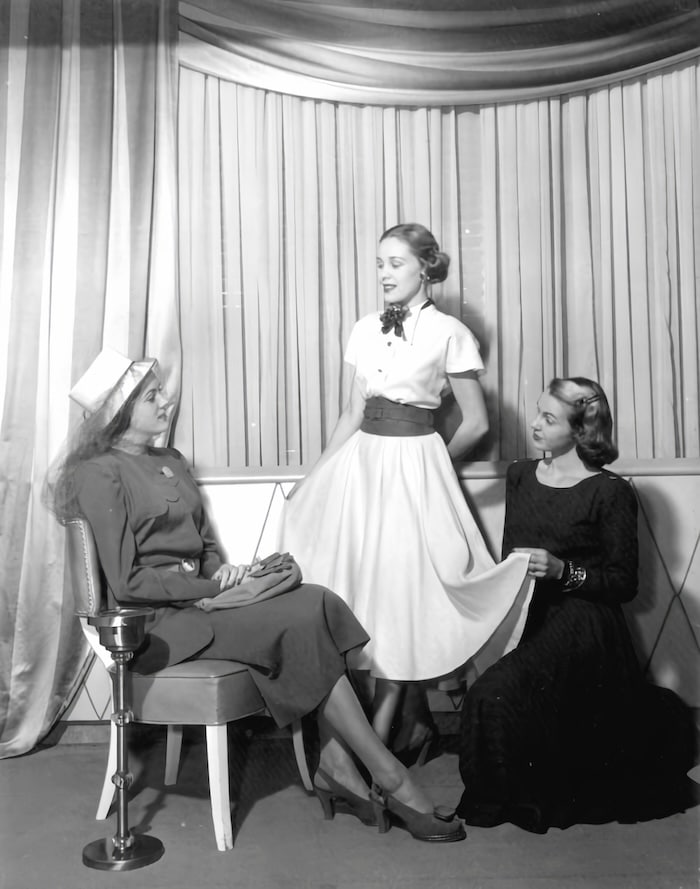
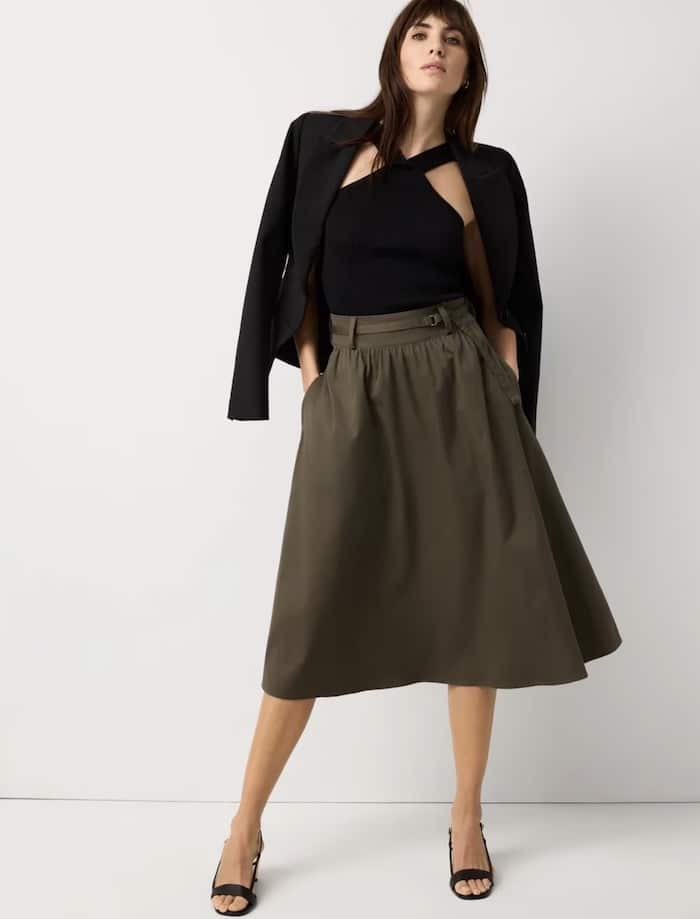
In 1947, Christian Dior presented Le Nouveau Look, and fashion as the world knew it shifted. Fabrics once rationed gave way to voluminous skirts, cinched waists, and tailored silhouettes. There was a poetic intensity to a jacket that nipped at the waist, a skirt that brushed the calf, and the sense that clothing supported the body rather than constricted it.
A well-cut blazer with a defined waist — something that might remind us of those early Dior silhouettes — feels deeply vintage without appearing costume-like.
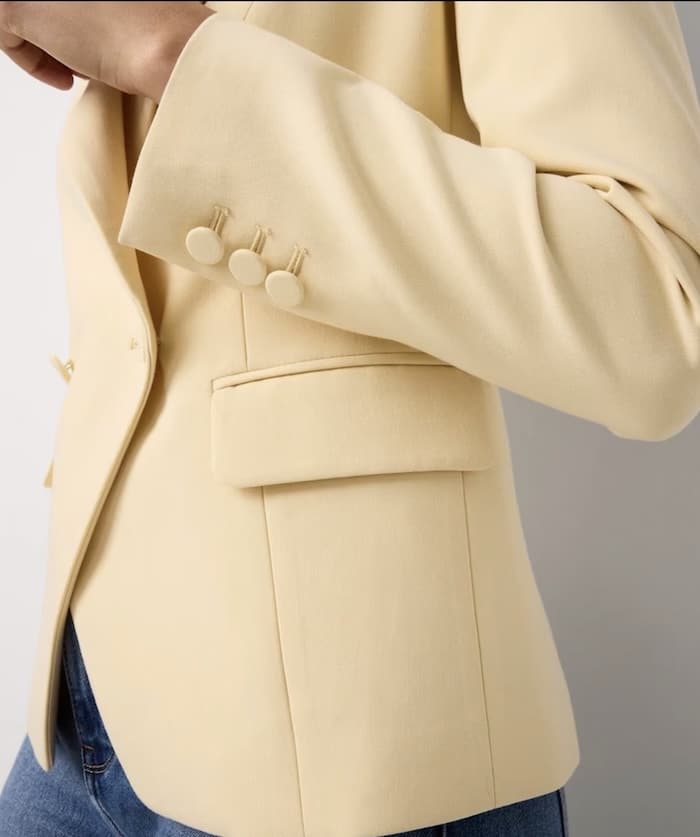
Mid-Century Modern: The Language of Androgyny
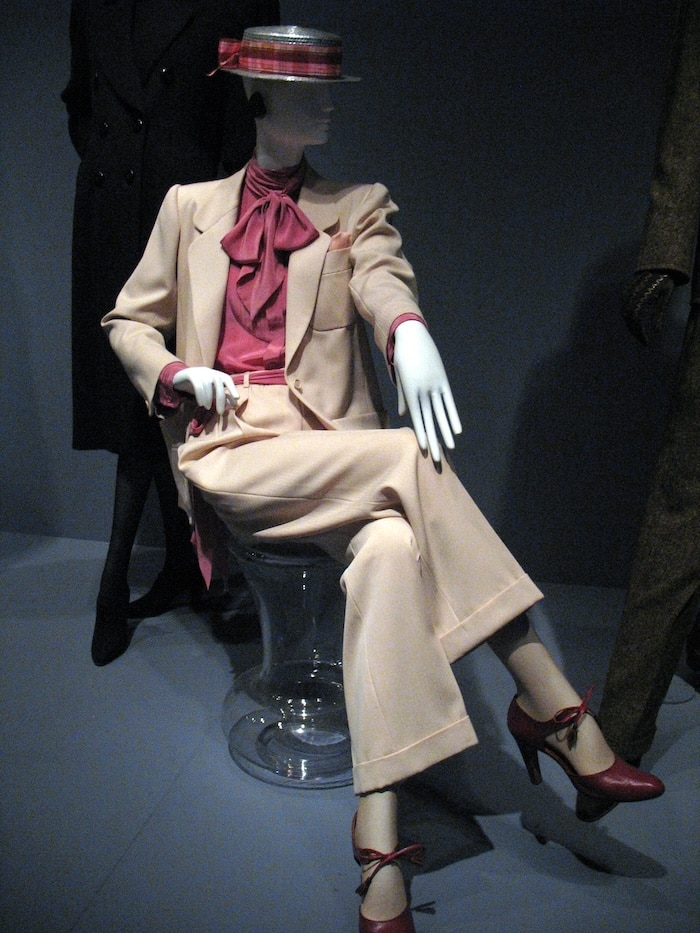
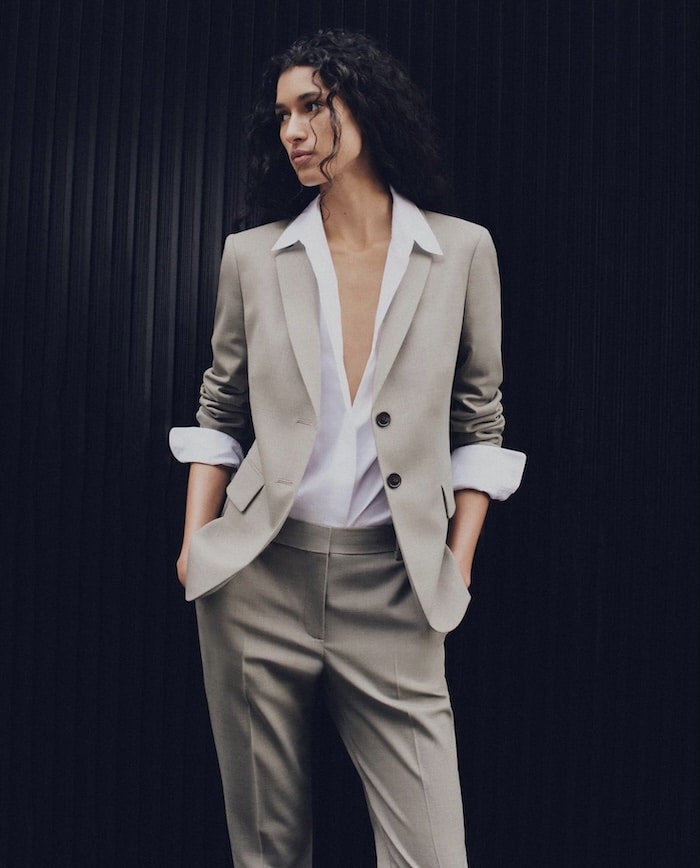
By the 1960s and 70s, the elegant division between women’s and men’s wear began to blur. The Le Smoking suit by Yves Saint Laurent stands at the heart of this transformation. It was radical not because it was borrowed from menswear, but because it was rewritten — tapered, sensual, and undeniably female in its intention.
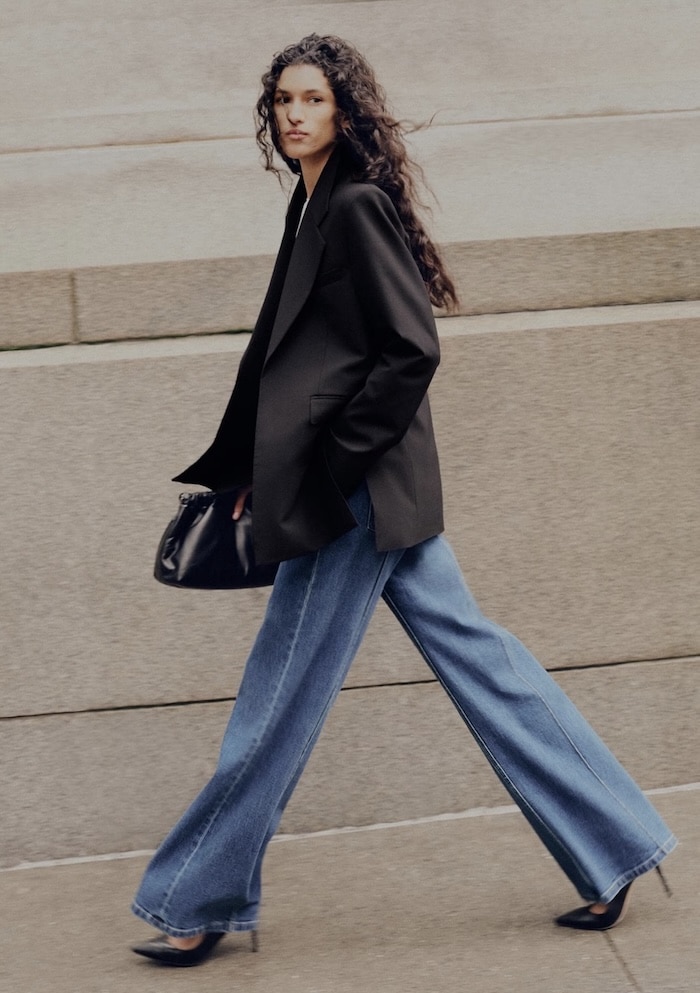
Wearing a tuxedo jacket with trousers today embraces a lineage of style that dared to reimagine gender rolls and the definition of femininity. The look carries forward a certain seriousness with sharp lines and polished tailoring — but brings personality to the forefront.
Accessories That Complete the Narrative
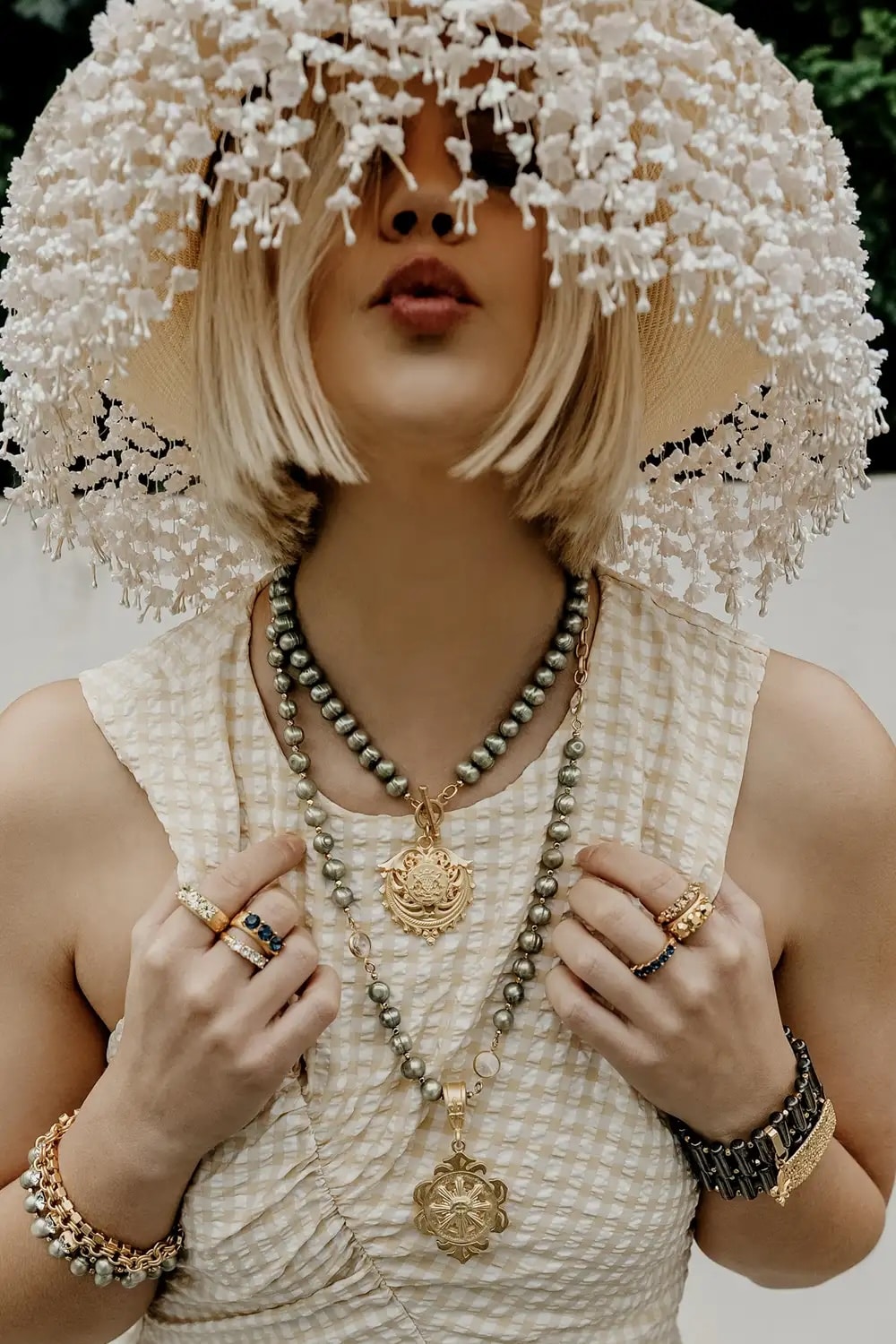
To dress French vintage is also to curate small details: a silk scarf tied just so at the neck, sunglasses with a hint of cat-eye drama, a stylish hat that completes the outfit. These are not accessories as afterthoughts, but as punctuation marks to finish off the look.
Try combining accessories inspired by different eras like 1920s costume pearls and pendants with 1950s straw hats. The result creates a unique look and starts a conversation.

Why French Vintage Works Today
This isn’t nostalgia dressed up; it’s timeless class. Garments are one of the few things that carry history in their very threads. A shift dress isn’t just a dress — it’s a shape that once represented a collective breath of freedom. A cinched blazer tells of post-war optimism and a return to crafted femininity. A tuxedo suit whispers of rebellion against rigid definitions.
When you curate a wardrobe with these pieces — either with original vintage pieces or reimagined contemporary designs — you engage with that lineage. Clothes become more than objects; they become heirlooms of how style evolves, adapts, and endures.