The world’s most visited cemetery, Père Lachaise is far more than a resting place for French luminaries.
Beloved for its tree-lined avenues, romantic atmosphere and extraordinary beauty, it has become one of Paris’s most evocative spaces for exploration, contemplation and quiet escape.
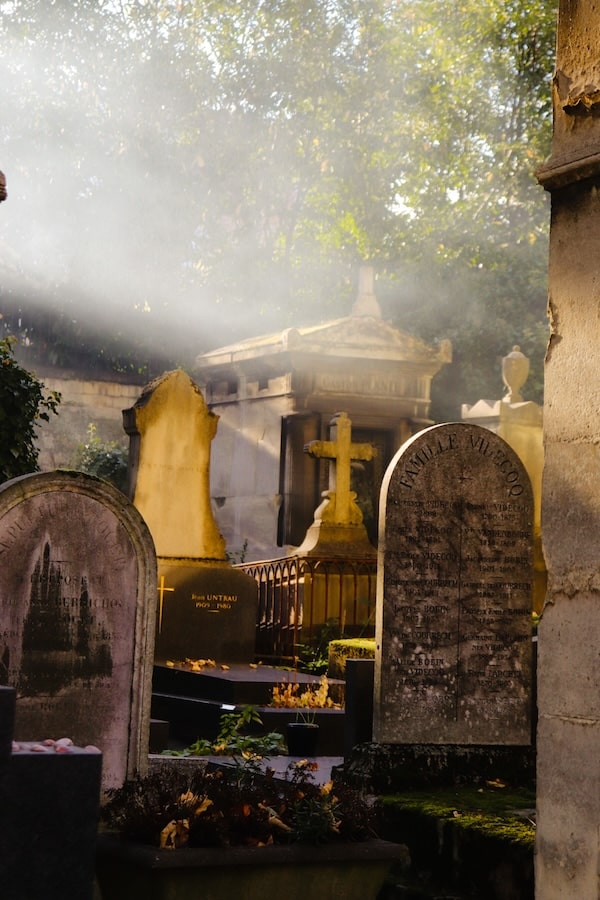
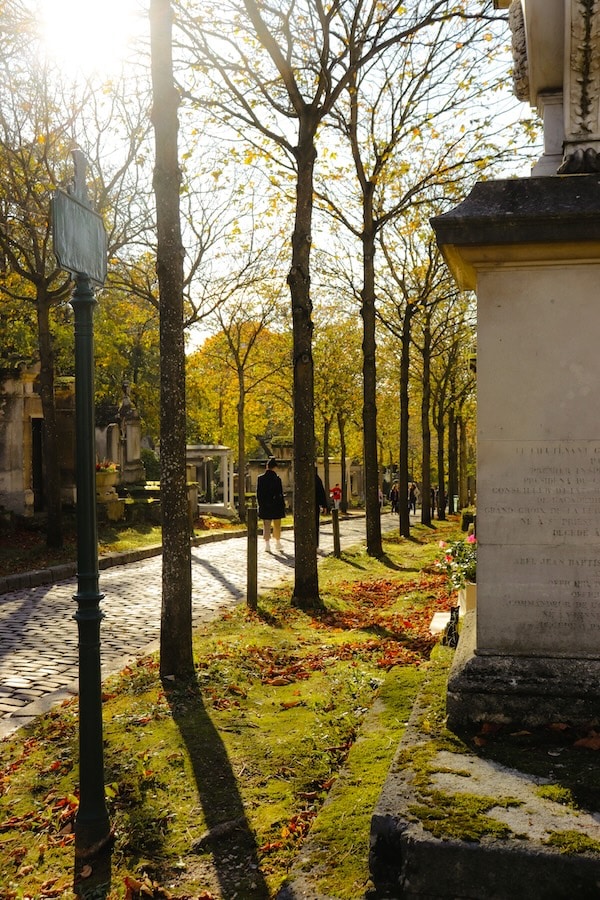
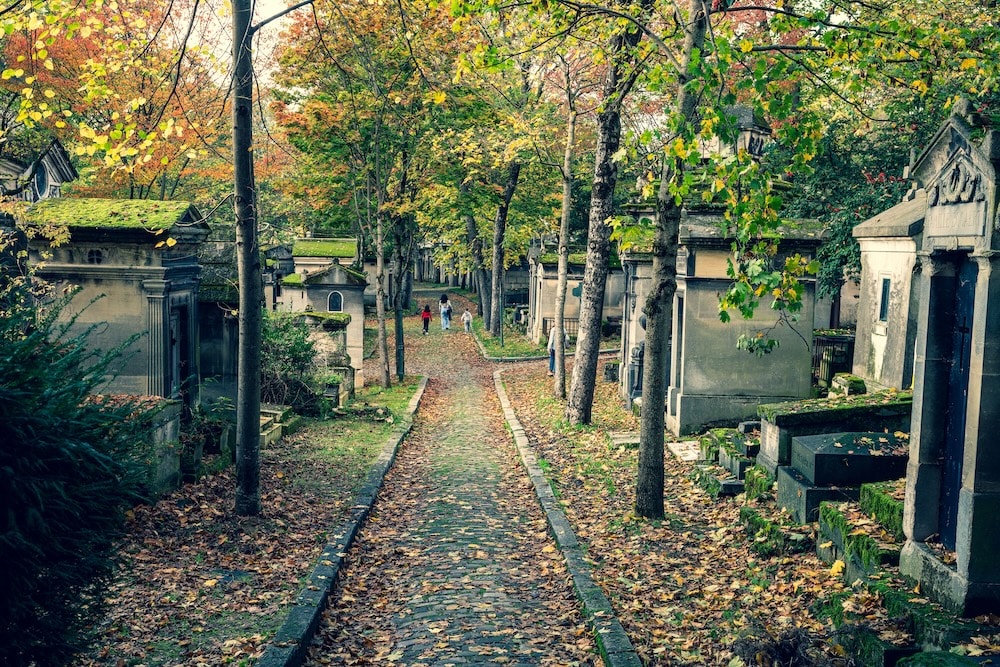
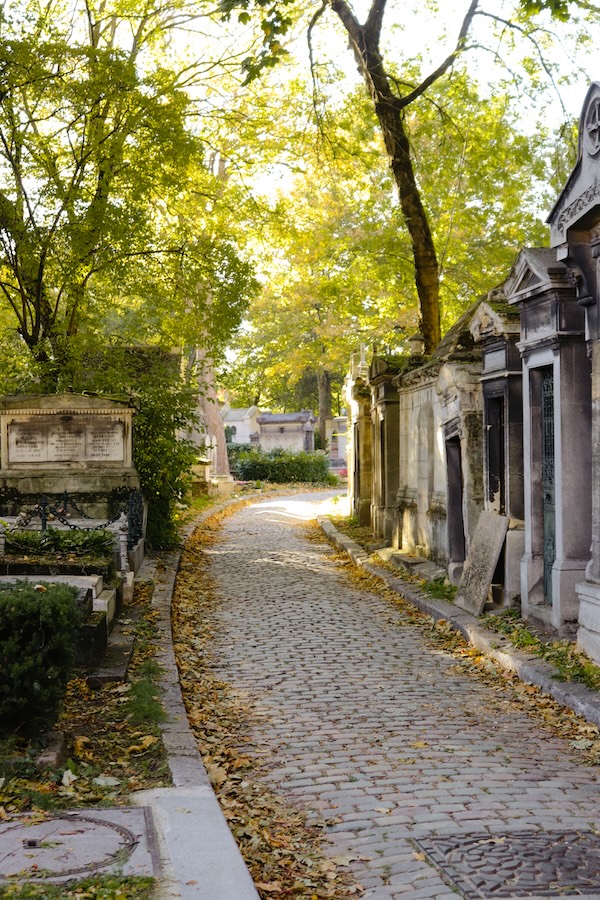
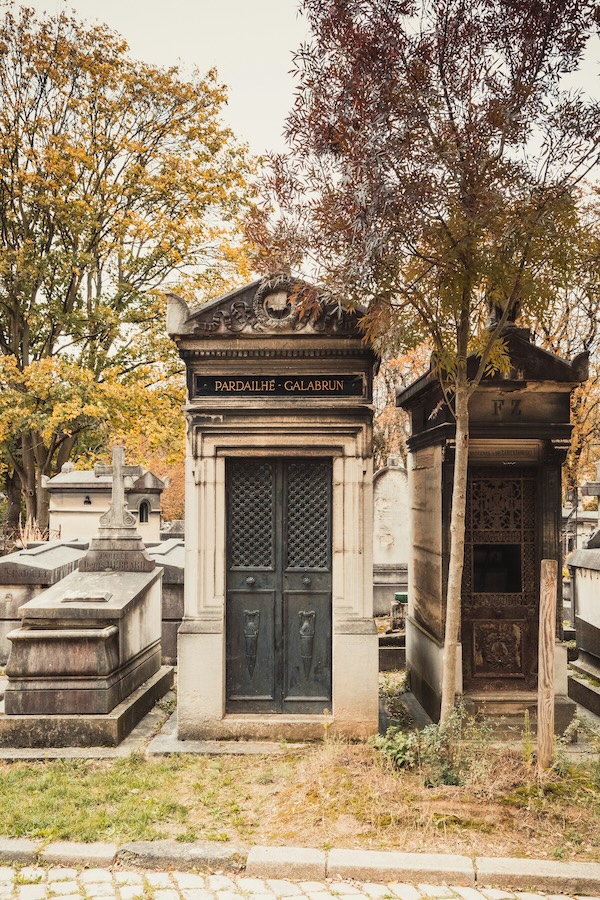
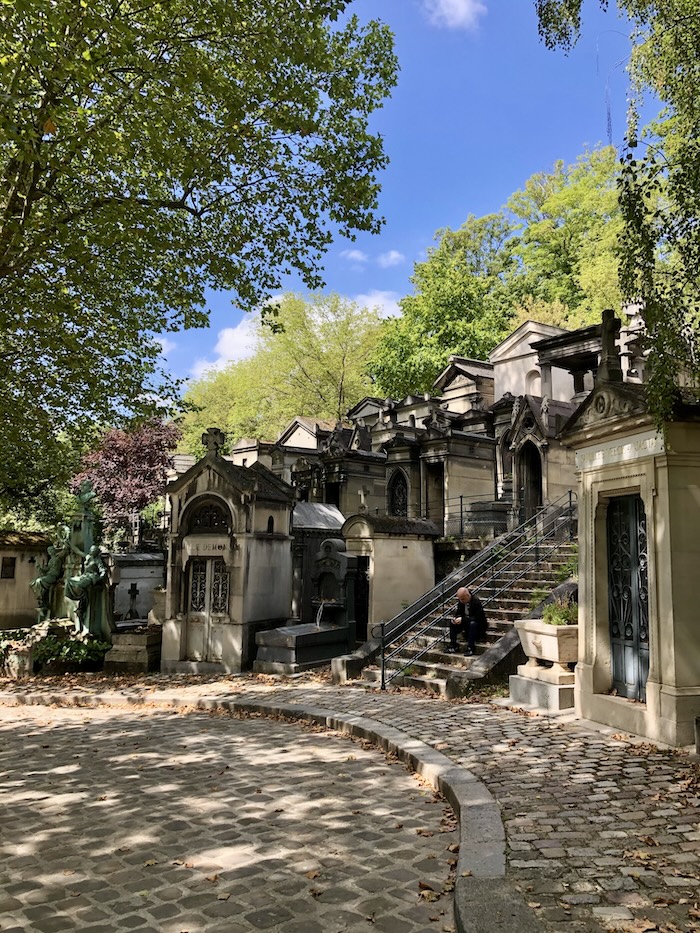
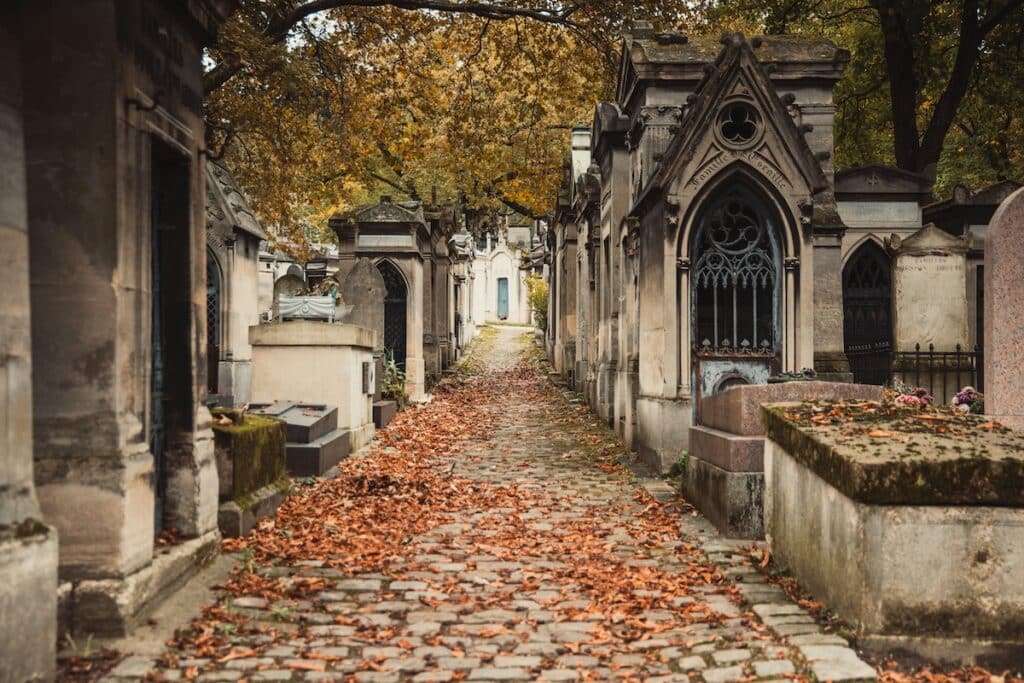
The air in Père Lachaise Cemetery carries a particular stillness. Fallen chestnut leaves gather in coppery drifts along cobblestone paths, while pale sunlight filters through the yellowing plane trees, casting flickering shadows on the worn inscriptions and moss-darkened monuments. Cobbled avenues rise up the hillside, revealing sudden vistas of elaborate mausoleums and ivy-covered crypts, while in the quieter corners, narrow lanes seem to disappear into woodland shadows.
A municipal graveyard might not seem like a destination for romantic wandering — yet Père Lachaise is the kind of place where a visitor can easily lose an afternoon.
Here are 10 facts to know about the world’s most visited cemetery.
1. It opened under the rule of Napolean Bonaparte
Opened in 1804 under Napoleon Bonaparte, Père Lachaise was created in response to the extreme overcrowding of Paris cemeteries at the time. Several large plots of land were acquired just outside the city limits at the time for this purpose.
2. It was designed by a prominent French architect
Alexandre-Théodore Brongniart was commissioned to design what was first called the cimetière de l’Est (Cemetery of the East) on the former grounds of a Jesuit monastery. Rather than replicate the solemn grid of a traditional churchyard, Brongniart imagined something radically different.
Brongniart’s vision reflected changing attitudes toward death in post-Revolutionary France. Cemeteries were no longer hidden behind high walls and churches, but instead became civic spaces intended for remembrance, reflection and beauty.
3. It was designed to be a “city of the dead”
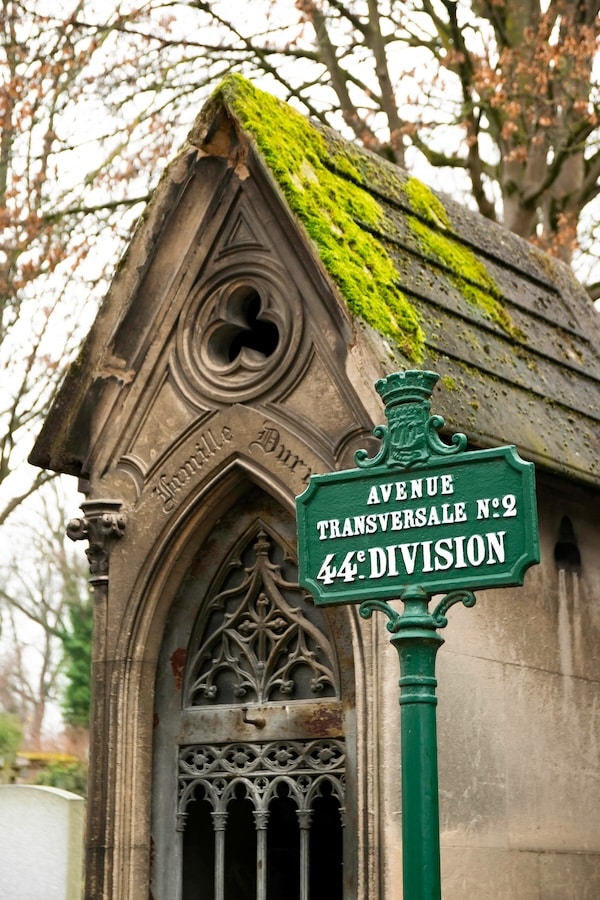
Woven into the contours of the landscape, the cemetery would be organized along a network of tree-lined avenues that were broad enough for funeral carriages to pass easily, while smaller lanes curved organically through the terrain. Named streets helped visitors navigate the enormous grounds, and the entire cemetery was conceived almost as a public park — one where mourning, strolling, contemplation and nature would coexist.
4. It feels like a quiet Paris neighborhood
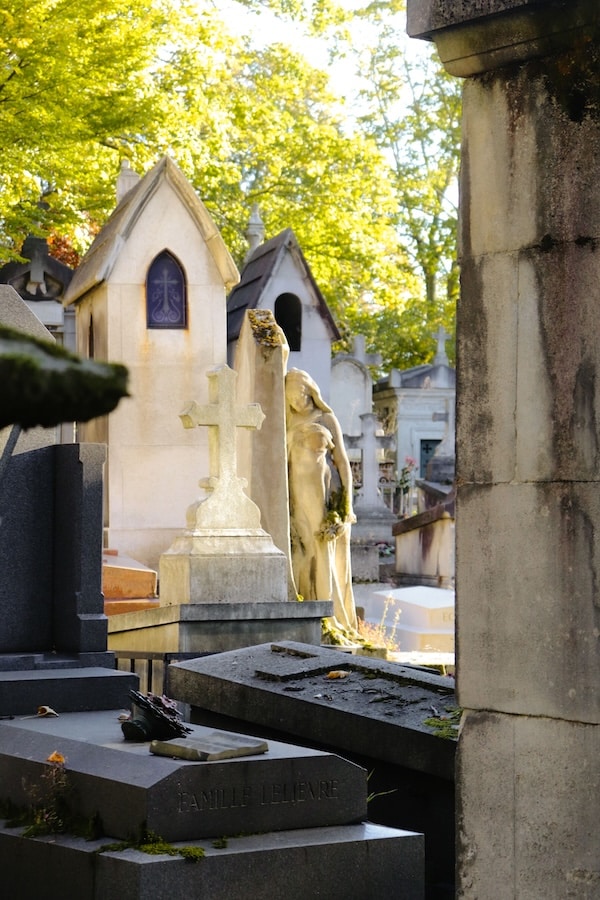
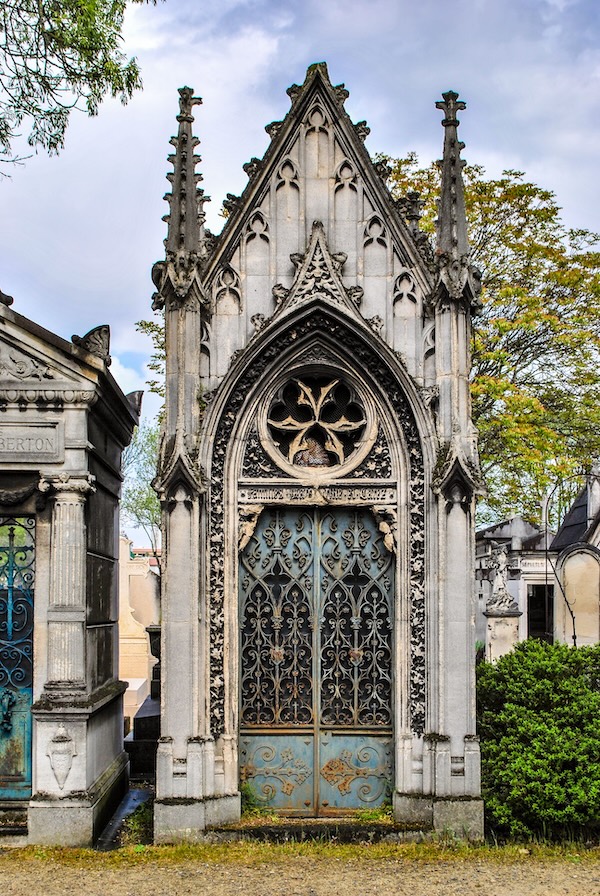
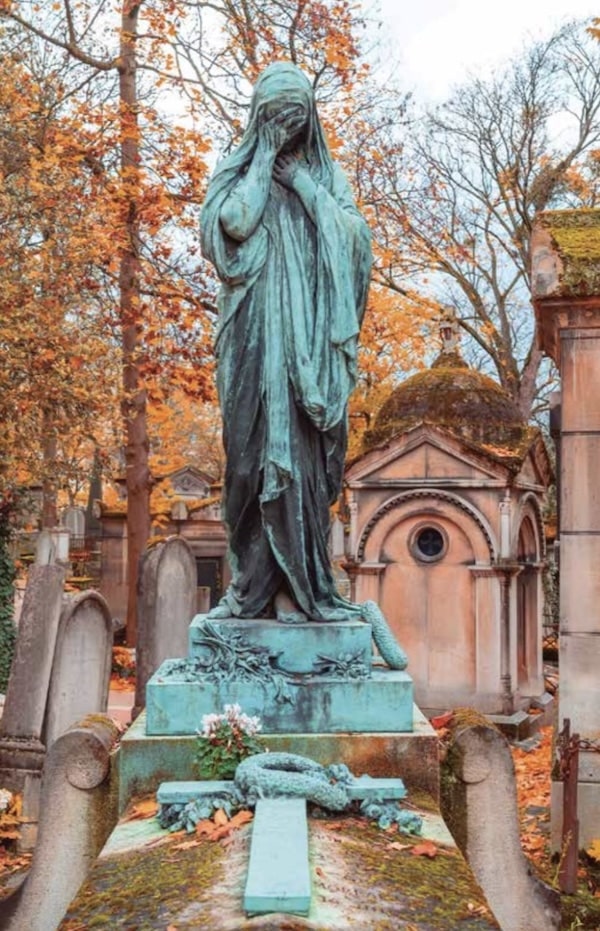
Stately mausoleums line the pathways like miniature townhouses. Some are lavishly decorated with stained glass, cut stone or bronze wreaths, or adorned with delicate sculptures of sleeping figures. Others are heartbreakingly simple, softened by age and the elements. In some corners, the cemetery feels stately and ceremonial; in others it resembles an overgrown grove where birdsong echoes through the trees.
5. It initially struggled to attract Parisians
Despite its elegance, Père Lachaise initially struggled to attract Parisians as a final resting place. Many Catholics still insisted on consecrated burial grounds, and the eastern suburbs were associated largely with the poor and working classes. A decade after opening, fewer than 900 people had been buried there.
6. The remains of several celebrated cultural figures were transferred to the cemetery
To make it more attractive, city officials arranged for popular figures who were already long dead to be transferred to Père Lachaise, making the cemetery more appealing. These included two legends of 17th century literature, the playwright Molière and the poet Jean de La Fontaine, as well as the doomed medieval lovers Abélard and Héloïse, whose tragic, 12th century romance occupied a near-mythic place in the French imagination.
7. Roughly 1 million people are now buried there
The strategy to move celebrities there worked brilliantly. Suddenly, burial at Père Lachaise became so fashionable that the cemetery was forced to expand, repeatedly. By the 1850s, its population had swelled to more than 40,000. Roughly 1 million people are now buried there today.
8. Only Paris residents are eligible for burial
More than 70,000 burial plots fill its 106 acres (43 hectares), and the grounds are now completely full. Only Paris residents — or those with existing family plots — are eligible for burial, and waiting lists remain long. However, cremations are still possible. The neo-Byzantine crematorium, opened in 1894 as cremation, is lined with small, sealed niches housing the urns of thousands of Parisians, adding another layer to its densely packed history.
9. It has an extraordinary list of residents
Part of the enduring fascination with Père Lachaise lies in its extraordinary roll call of residents. Visitors arrive with maps in hand searching for the graves of Marcel Proust, Colette, Honoré de Balzac, Sarah Bernhardt, Gertrude Stein or Olivia de Havilland. Music lovers leave flowers for Frédéric Chopin, Édith Piaf, Georges Bizet or Serge Gainsbourg.
The most visited grave of all belongs to Jim Morrison, the former front man of The Doors. Unlike the grand tombs surrounding it, the rock star’s resting place is surprisingly modest — yet it is regularly crowded with devoted fans and curious tourists. Over the years, plaques and memorials placed there have repeatedly been stolen, including a bust installed in 1981 on the tenth anniversary of his death. Legends persist that Morrison’s ghost still wanders the cemetery after dark.
10. Annual visitors number around 2 million — making Père Lachaise the most-visited necropolis in the world
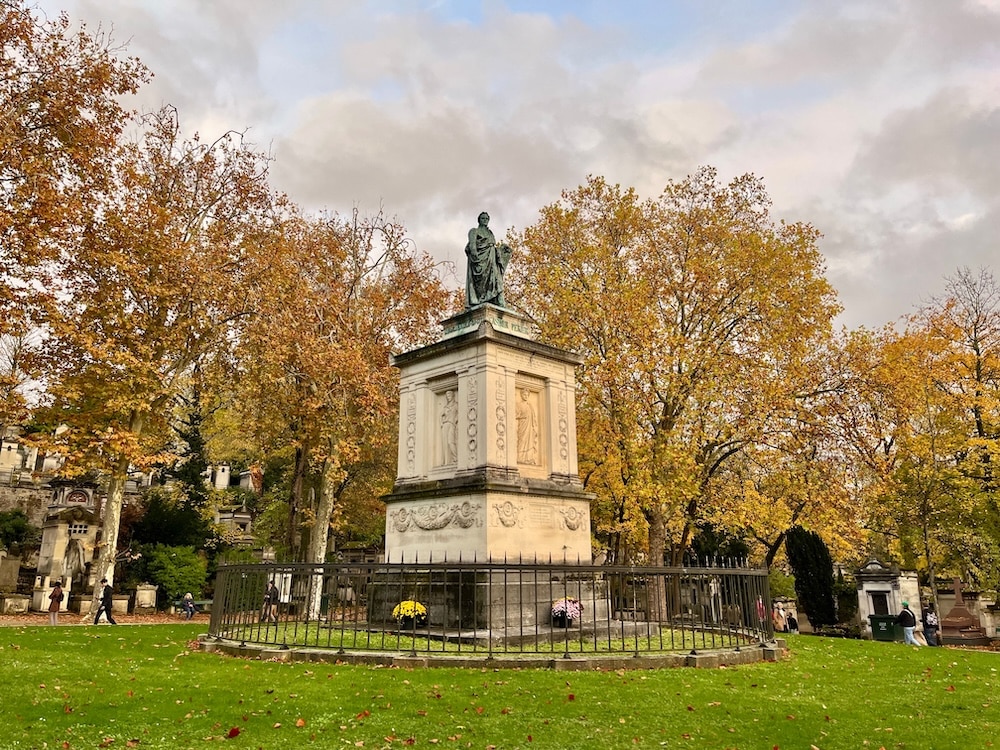
And yet, for all its fame, Père Lachaise rarely feels like a tourist attraction. The cemetery remains deeply human — a place of grief, devotion, artistry, memory and quiet escape. Especially in the fall, when the leaves turn and drift onto the ancient stones, it becomes one of the most hauntingly beautiful corners of Paris.
Want more stories like this?
This post was adapted from a print article featured in the September/October 2026 issue of My French Country Home Magazine, written by Nicola Clark.
Subscribe to the magazine to discover more iconic French destinations like Père Lachaise.
Don’t be alarmed, we do not use or store your information. We are a French site and this is simply a regulation for the European Union to let you know that this website uses cookies to improve your user experience. By using our website you consent to all cookies in accordance with our Cookie Policy. Read More